Action
Adventure
Animation
Comedy
Crime
Documentary
Drama
Family
Fantasy
History
Horror
Music
Mystery
Romance
Science Fiction
Thriller
War
Western
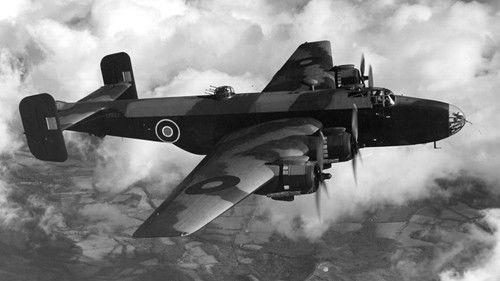
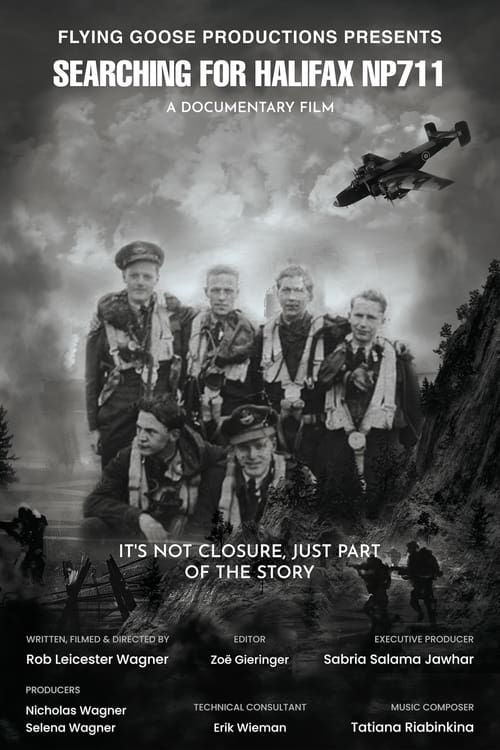
On February 21, 1945, the Royal Canadian Air Force Halifax bomber NP711 with a crew of seven men took off from the Linton-on-Ouse air base in England for a bombing raid over Worms, Germany. The bomber never made it to its target. The Halifax was struck by anti-aircraft fire and crashed into a mountainside near Leistadt, Germany. All crew members were killed. The crash was so horrific that the wreckage was strewn over 1,000 meters. Seventy-seven years later the wreckage was recovered and the site was deemed a gravesite for the perished crew. This documentary film examines the last days of the seven-member crew and the recovery of the wreckage of Halifax NP711.
Director: Rob Leicester Wagner
Writers: Rob Leicester Wagner

No Reviews Available
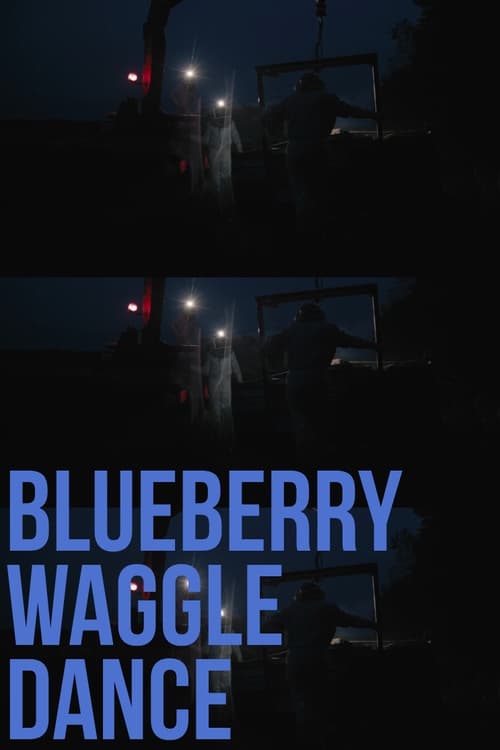
It's a warm spring night, and the bee cowboys of Prince Edward Island begin rounding up their hives.
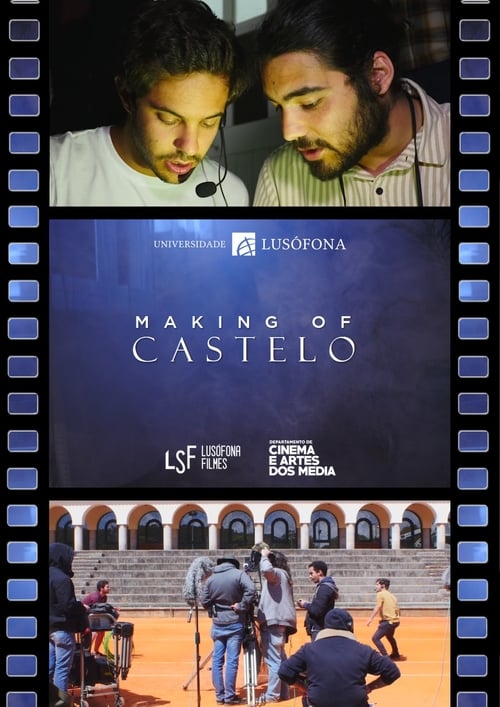
A two parts making of documentary, following José Augusto Silva and his film crew during the shooting of a university short film called Castelo.
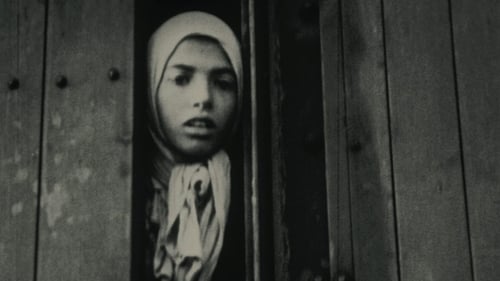
Filmmaker Alain Resnais documents the atrocities behind the walls of Hitler's concentration camps.
A poetic journey through the paths and places of old Castile that were traveled and visited by the melancholic knight Don Quixote of La Mancha and his judicious squire Sancho Panza, the immortal characters of Miguel de Cervantes, which offers a candid depiction of rural life in Spain in the early 1930s and illustrates the first sentence of the first article of the Spanish Constitution of 1931, which proclaims that Spain is a democratic republic of workers of all kind.
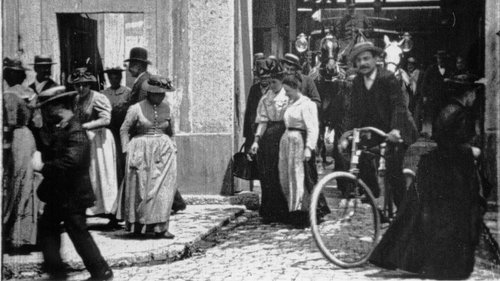
Working men and women leave through the main gate of the Lumière factory in Lyon, France. Filmed on 22 March 1895, it is often referred to as the first real motion picture ever made, although Louis Le Prince's 1888 Roundhay Garden Scene pre-dated it by seven years. Three separate versions of this film exist, which differ from one another in numerous ways. The first version features a carriage drawn by one horse, while in the second version the carriage is drawn by two horses, and there is no carriage at all in the third version. The clothing style is also different between the three versions, demonstrating the different seasons in which each was filmed. This film was made in the 35 mm format with an aspect ratio of 1.33:1, and at a speed of 16 frames per second. At that rate, the 17 meters of film length provided a duration of 46 seconds, holding a total of 800 frames.
Subscribe for exclusive insights on movies, TV shows, and games! Get top picks, fascinating facts, in-depth analysis, and more delivered straight to your inbox.