
Action
Adventure
Animation
Comedy
Crime
Documentary
Drama
Family
Fantasy
History
Horror
Music
Mystery
Romance
Science Fiction
Thriller
War
Western

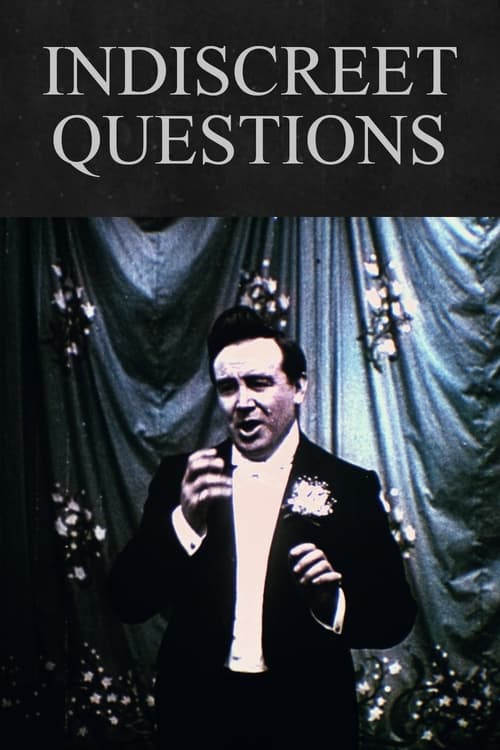
Felix Mayol performs a song, in colour.
Director: Alice Guy-Blaché
No Reviews Available
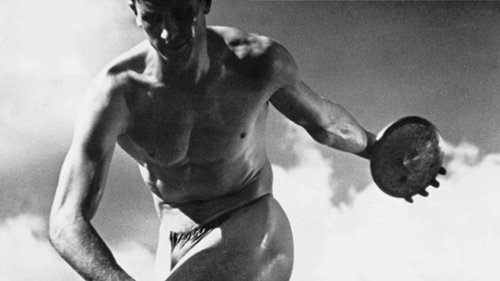
Starting with a long and lyrical overture, evoking the origins of the Olympic Games in ancient Greece, Riefenstahl covers twenty-one athletic events in the first half of this two-part love letter to the human body and spirit, culminating with the marathon, where Jesse Owens became the first track and field athlete to win four gold medals in a single Olympics.
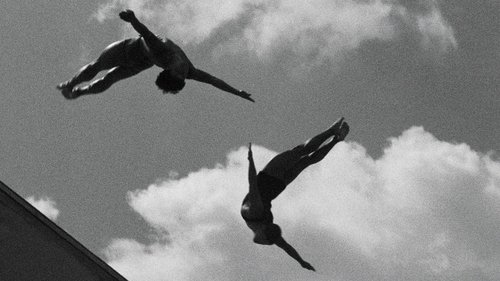
Part two of Leni Riefenstahl's monumental examination of the 1938 Olympic Games, the cameras leave the main stadium and venture into the many halls and fields deployed for such sports as fencing, polo, cycling, and the modern pentathlon, which was won by American Glenn Morris.

When her mother remarries and her newly blended family moves to Canada, a 9-year-old Tunisia girl's life takes a profound turn as she struggles to find her place and maintain her Muslim identity in a new land.
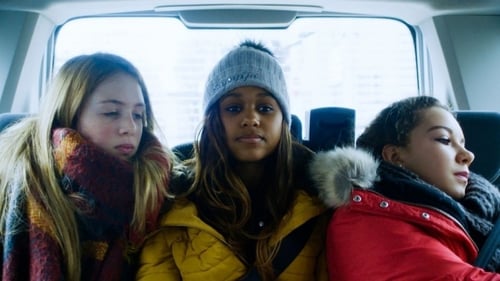
Fifteen-year-old Sarah has returned to Colmar, where she has taken up high-performance figure skating and competition. The rivalry between the girls and the trainer's harsh words put her body to the test on the ice, while her adolescent desires distract her from her athletic ambitions.
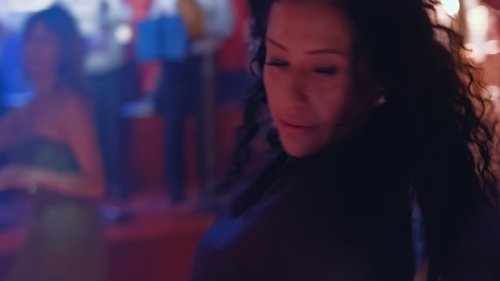
One of the rooms inside the legendary Barba Azul Cabaret has become a shelter for the girls working there: the women's bathroom. Every night La Mami, who's in charge of the bathrooms, offers them the warmth and the advice they need to take on the challenge they face in the dance hall.
Subscribe for exclusive insights on movies, TV shows, and games! Get top picks, fascinating facts, in-depth analysis, and more delivered straight to your inbox.
