Action
Adventure
Animation
Comedy
Crime
Documentary
Drama
Family
Fantasy
History
Horror
Music
Mystery
Romance
Science Fiction
Thriller
War
Western
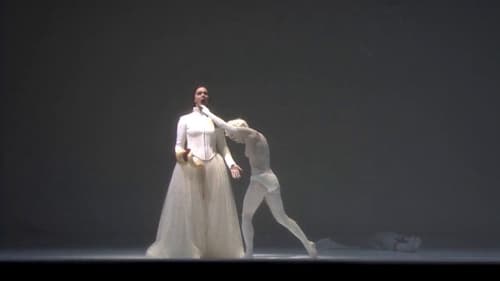
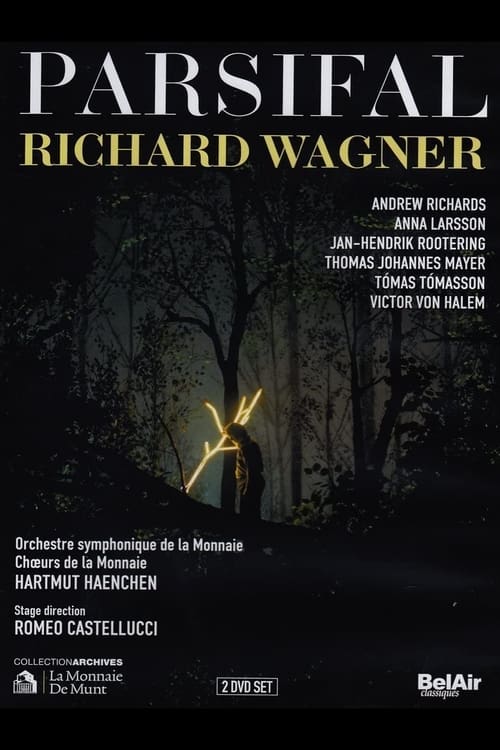
A mythical performance from la Monnaie - Bruxelles. Parsifal is a strange and enigmatic work. At the end of his life, did Wagner wish to celebrate asceticism, which he himself had never practised? Did he fall upon his knees before the Cross, as claimed by Nietzsche? And what does the secret society of knights based on pure blood signify, desperately waiting for the saviour to regenerate it? What is the true nature of the opposition between the worlds of Klingsor and the Grail? What can Parsifal tell us today? In his artistic will and testament, Wagner condenses his moral idea of the world and returns to the roots of love and religion - to the very heart of art according to him. With the participation of conductor Hartmut Haenchen who is passionated by the score, Italian stage director Romeo Castellucci proposes an original reading of this brilliant work and explores the essence of Wagnerian ‘Kunstreligion’ in a different light.
Director: Romeo Castellucci
Writers: Richard Wagner
No Reviews Available
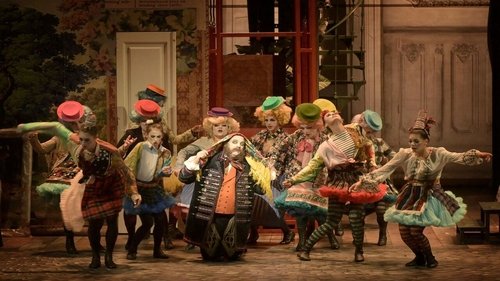
La Vie parisienne (Parisian life) is an opéra bouffe, or operetta, composed by Jacques Offenbach in 1866, with a libretto by Henri Meilhac and Ludovic Halévy. This work was Offenbach's first full-length piece to portray contemporary Parisian life, unlike his earlier period pieces and mythological subjects. It became one of Offenbach's most popular operettas.
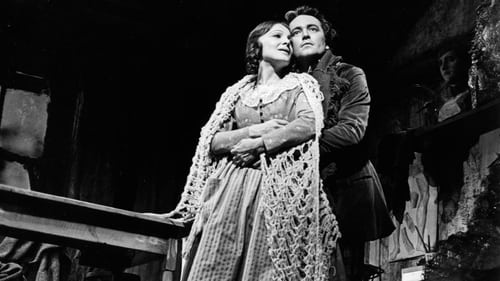
"La Bohème" is one of Giacomo Puccini's most popular and timeless works and the second-most performed opera at New York's Metropolitan Opera. This production, directed by the legendary Franco Zeffirelli, features José Carreras, Teresa Stratas, Renata Scotto and Richard Stilwell. The opera is replete with extraordinary visual beauty as it presents the tragic story of young bohemians struggling to make it in the world.
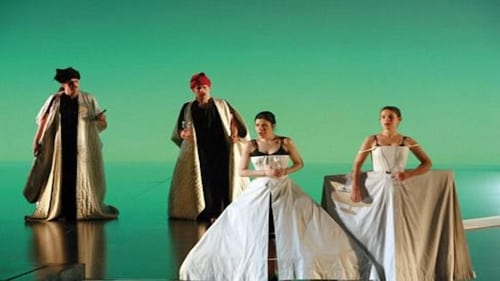
There are elements of Eurotrash in this outdoor Aix-en-Provence summer opera production. Nevertheless, the splendid singing and acting transform the story, normally treated as farce, into something considerably more serious. As many other critics have noted, the young lovers have not yet sorted everything out as this performance ends. Act One begins with the principal characters running around in the outdoor theater -- while the audience takes it in as if they had been advised to sit back and enjoy the novelty. Very likely they were also asked to refrain from applauding at the end of arias and ensemble pieces, in which the three-hour opera abounds.
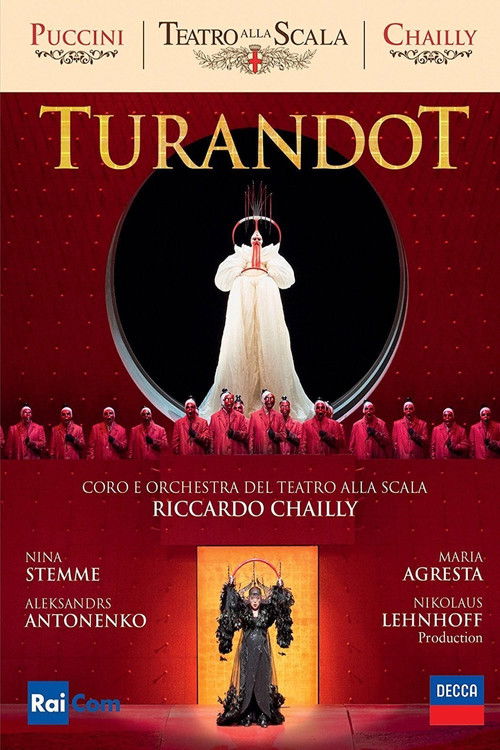
Visually this is a gripping production which captures the drama of this opera perfectly. It's downright exciting! and I found the singing, acting, and orchestral playing reasonably fine. I found only one major problem with it, a problem that kept Puccini for quite a few years. Turandot has been looking for an opportunity to kill Calif and Calif has singlemindedly tried to get Turandot to love and wed him focusing on her and ignoring a better looking girl who loves him truly. The problem is how to get the audience to applaud the match once Calif gets his wish. Puccini couldn't figure out how to do it. The traditional quick ending doesn't do it, and Berio's attempt is longer , tries its best, but ends up making it plain this is one wierd couple.
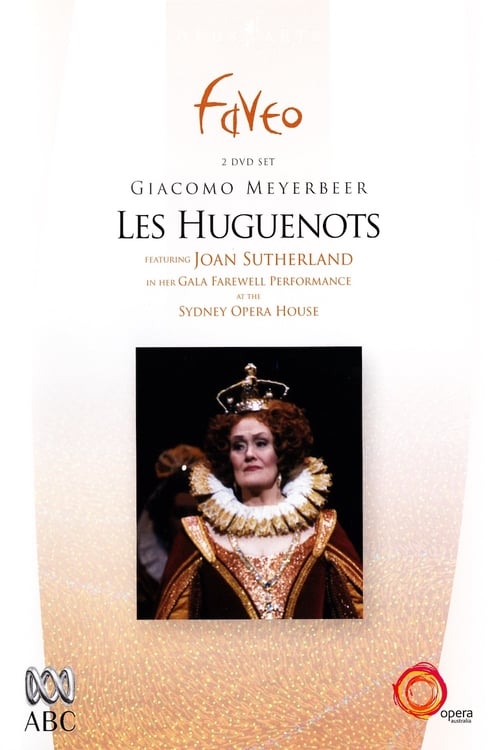
Joan Sutherland's farewell performance to the operatic stage offsets this story of the St. Bartholomew's Day massacre and the magnificence of 16th century France.
Subscribe for exclusive insights on movies, TV shows, and games! Get top picks, fascinating facts, in-depth analysis, and more delivered straight to your inbox.