
Action
Adventure
Animation
Comedy
Crime
Documentary
Drama
Family
Fantasy
History
Horror
Music
Mystery
Romance
Science Fiction
Thriller
War
Western
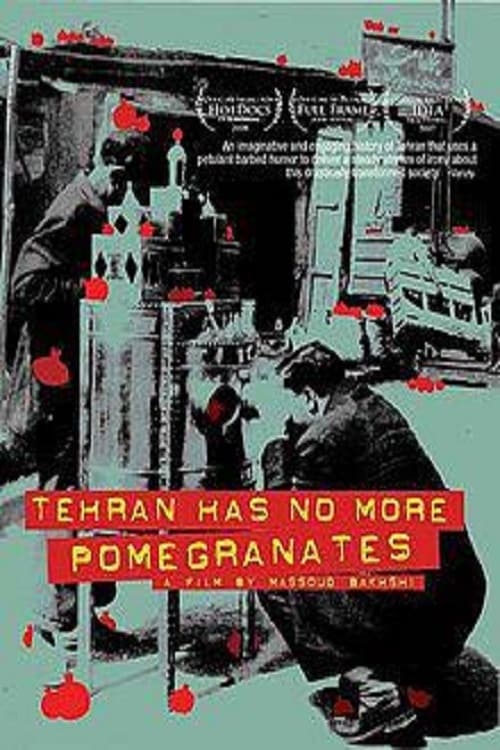
This is the story of Tehran from the Qajar time (middle of 19th century) to today. Tehran has become a metropolis from a small village, now a developed city with many social problems.
Director: Massoud Bakhshi
No Reviews Available
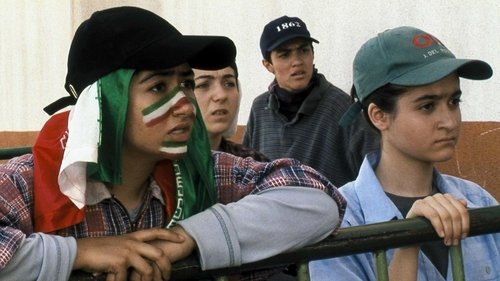
During the 2006 World Cup qualifying match between Iran and Bahrain, numerous young women are caught and rounded up for dressing as men so they could gain access to the game. Guarded by several soldiers in a holding pen, the women attempt to keep updated on the score.
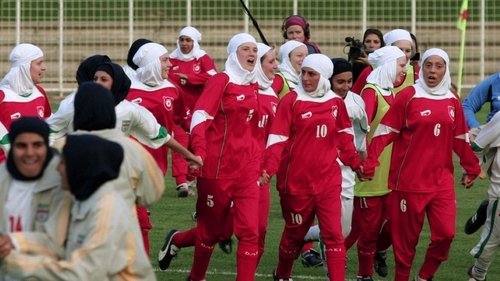
David Asmmann's Football Under Cover documents the hard work involved in setting up an exhibition soccer match, known as a "friendly," between a German girls squad and Iranian women's team. In addition to showing how the two groups come from very different cultures, the documentary showcases what playing the game means to the members of both teams, and displays how passionate the fans of these two squads are.
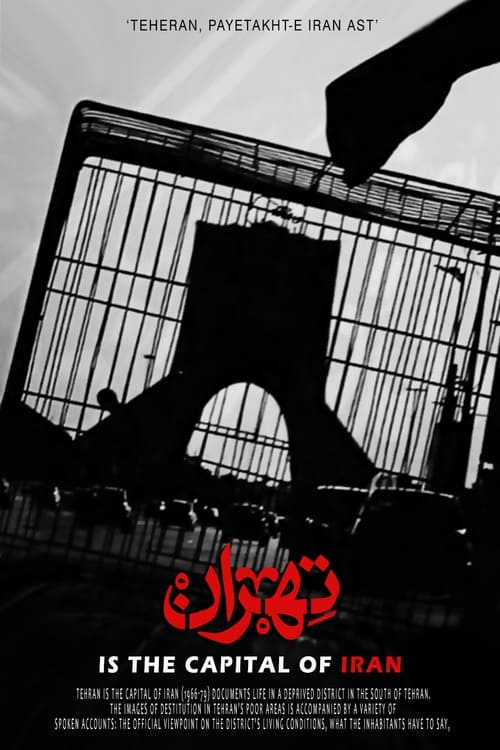
Tehran Is the Capital of Iran (1966-79) documents life in a deprived district in the south of Tehran. The images of destitution in Tehran's poor areas is accompanied by a variety of spoken accounts: the official viewpoint on the district's living conditions, what the inhabitants have to say, and occasional extracts read out of school manuals. The key element in Shirdel's film is the counterpoint effect he creates with image and sound. His impressively powerful portrayal of social unease helps reinforce the impact of his astonishing documentary images and social themes.
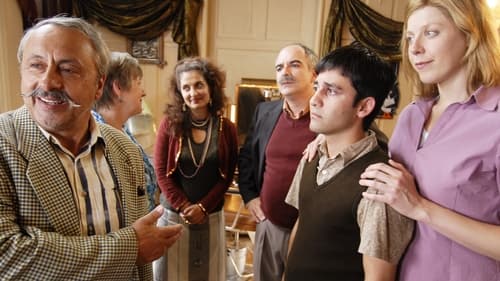
To save his grumpy father's Persian butcher's shop, Mohsen, a sensitive scarf-knitter, buys sheep on the cheap. On the way to them, he gets stranded in East Germany and falls in love with ex-ball-striker Ana. In the village, Mohsen's father is thought to be a rich businessman who could save the region. Mohsen becomes very popular. But then his father turns up.
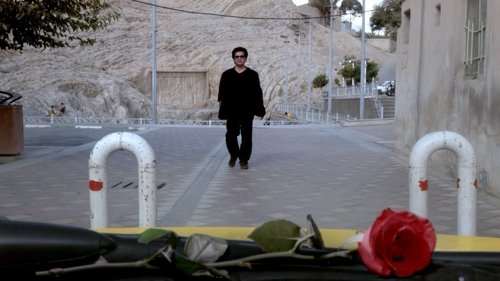
A yellow cab is driving through the vibrant and colourful streets of Tehran. Very diverse passengers enter the taxi, each candidly expressing their views while being interviewed by the driver who is no one else but the director Jafar Panahi himself. His camera placed on the dashboard of his mobile film studio captures the spirit of Iranian society through this comedic and dramatic drive…
Subscribe for exclusive insights on movies, TV shows, and games! Get top picks, fascinating facts, in-depth analysis, and more delivered straight to your inbox.
