Action
Adventure
Animation
Comedy
Crime
Documentary
Drama
Family
Fantasy
History
Horror
Music
Mystery
Romance
Science Fiction
Thriller
War
Western
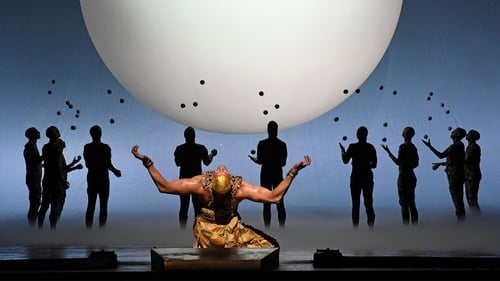
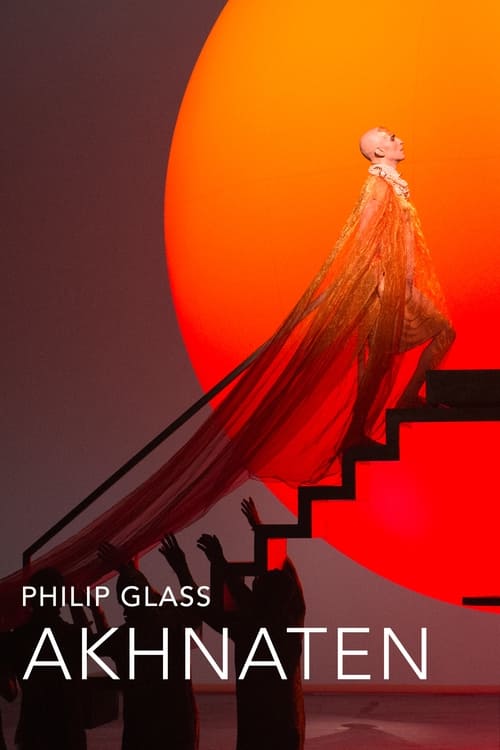
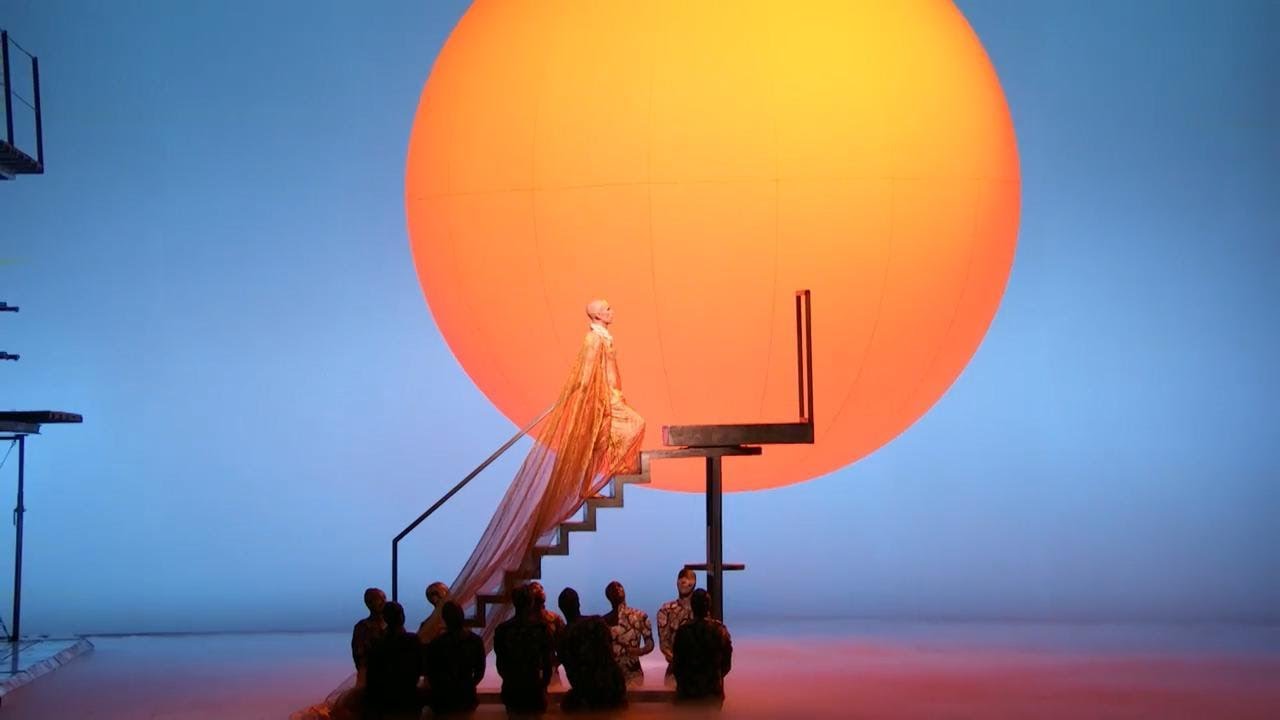
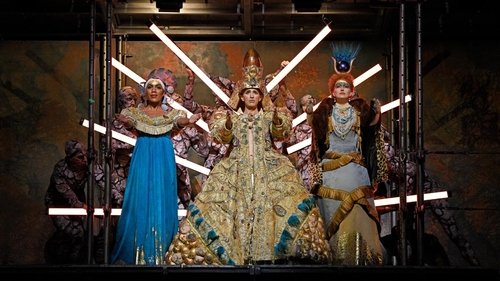
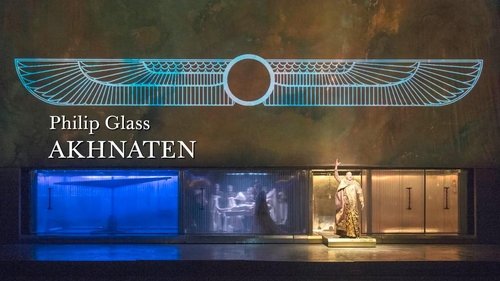
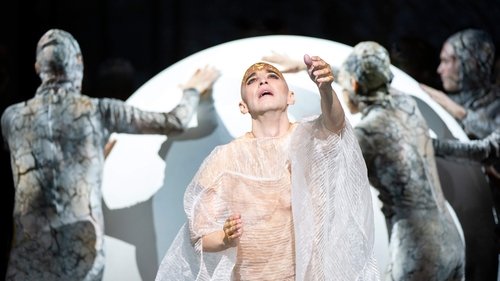
Philip Glass’ opera “Akhnaten”, premiered in Stuttgart in 1984, forms the third part of the portrait opera trilogy about personalities who have influenced the course of human history. The conclusion of the trilogy deals with the ancient Egyptian pharaoh Akhenaten, who attempted to establish a kind of monotheistic cult around the god Aton during his reign in the 14th century BC, but failed due to the resistance of the priesthood. The production presented here was undoubtedly one of the very great successes of the 2019/20 season at New York’s Metropolitan Opera, due not only to the outstanding cast of singers (led by countertenor Anthony Roth Costanzo) but also to Phelim McDermott’s imaginative staging, which captivates with sometimes breathtaking imagery.
Director: Phelim McDermott, Gary Halvorson
Writers: Philip Glass
No Reviews Available
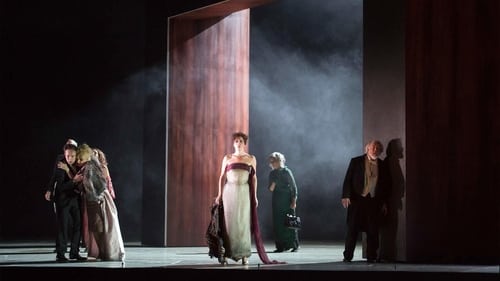
After the acclaimed Met premiere of Thomas Adès's "The Tempest" in 2012, the composer returned with another masterpiece, this time inspired by filmmaker Luis Buñuel's seminal surrealist classic "El Ángel Exterminador", during the 2017–18 season. As the opera opens, a group of elegant socialites gather for a lavish dinner party, but when it is time to leave for the night, no one is able to escape. Soon, their behavior becomes increasingly erratic and savage. The large ensemble cast tackles both the vocal and dramatic demands of Adès's opera with one riveting performance after another. Tom Cairns, who also penned the work's libretto, directs an engrossing and inventive production, using a towering wooden archway to trap the characters onstage. And Adès himself takes the podium to conduct the frenzied score, which features a host of unconventional instruments, including the eerie electronic ondes Martenot.
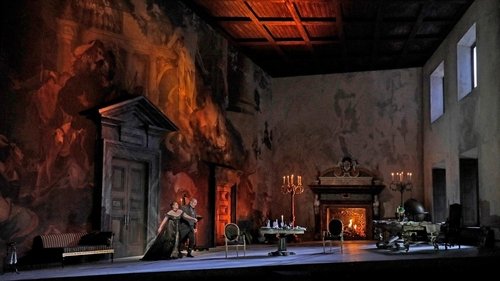
Sir David McVicar’s bold new staging of Tosca, Puccini’s operatic thriller of Napoleonic Rome, thrilled Met audiences when it rang in the New Year in 2018. Only weeks later, the production was seen by opera lovers worldwide as part of the Met’s Live in HD series of cinema presentations. In this performance, Bulgarian soprano Sonya Yoncheva is the passionate title diva, opposite charismatic tenor Vittorio Grigolo as her lover, the idealistic painter Mario Cavaradossi. Baritone Željko Lučić is the menacing Baron Scarpia, the evil chief of police who employs brutal tactics to ensnare both criminals and sexual conquests. On the podium, Emmanuel Villaume conducts the electrifying score, which features some of Puccini’s most memorable melodies.

A rarely performed bel canto gem, Rossini’s Semiramide returned to the Met for the first time in nearly 25 years during the 2017–18 season. Set in ancient Babylon under the reign of the mythic Queen Semiramis, the opera features political scheming, mistaken identity, divine intervention, and bloodthirsty revenge—not to mention one virtuosic vocal display after another. Soprano Angela Meade is the fierce title monarch, whose quest for power comes to a halt with the discovery that the object of her affection, the warrior Arsace—sung by mezzo-soprano Elizabeth DeShong—may actually be her long-lost son. Together, the two square off in a pair of dazzling duets and deliver some of the opera’s most challenging arias. Bel canto specialist Maurizio Benini takes the podium to lead a cast that also stars tenor Javier Camarena as the ardent prince Idreno, bass Ildar Abdrazakov as the scheming Assur, and bass Ryan Speedo Green as the stern high priest Oroe.
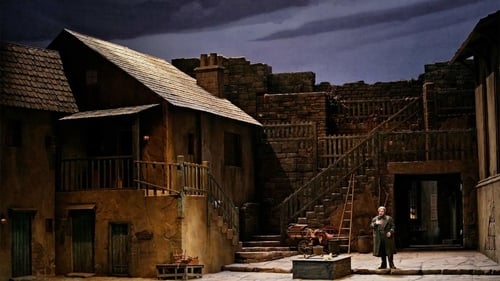
Premiered immediately before the enduring masterpieces Rigoletto, Il Trovatore, and La Traviata, Luisa Miller incorporates the youthful vitality that had made Verdi an international sensation while also looking forward to the dramaturgical discipline and sophistication of those later works. In this Live in HD performance, soprano Sonya Yoncheva takes on the riveting title role, capping off a season in which she starred in three cinema transmissions. As her father, Miller, the legendary Plácido Domingo adds another baritone role to his extensive repertoire. Tenor Piotr Beczała as Rodolfo, Alexander Vinogradov as Count Walter, and Dmitry Belosselskiy as Wurm round out the illustrious cast, and Bertrand de Billy conducts.
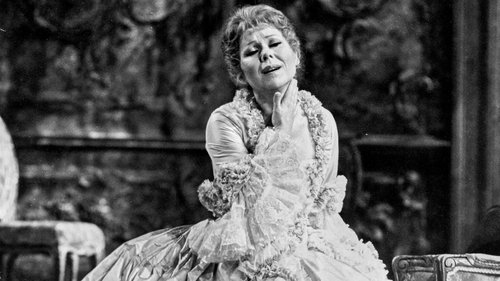
All the throbbing eroticism—and ultimate heartbreak—of Puccini’s youthful score is unleashed by James Levine and his top-flight cast. Plácido Domingo is Des Grieux, the handsome, headstrong young aristocrat who falls head over heels for the enticing, impetuous Manon Lescaut (Renata Scotto). Manon returns his love, but her obsession with luxury ruins them both. Gian Carlo Menotti’s opulent production, with sets and costumes by Desmond Heeley, superbly captures the colorful world of 18th century France.
Subscribe for exclusive insights on movies, TV shows, and games! Get top picks, fascinating facts, in-depth analysis, and more delivered straight to your inbox.