
Action
Adventure
Animation
Comedy
Crime
Documentary
Drama
Family
Fantasy
History
Horror
Music
Mystery
Romance
Science Fiction
Thriller
War
Western
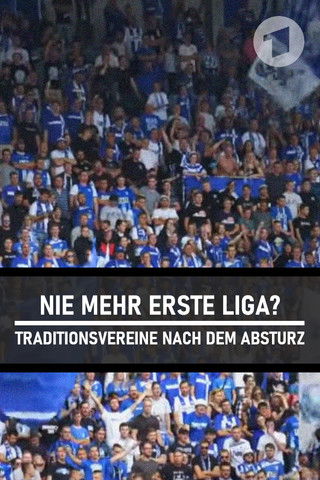
Documentary about traditional German football clubs after their descent from professional football division.
Director: Marc Schlömer, Alexander Cierpka
Writers: Alexander Cierpka, Marc Schlömer
No screenshots available
No Reviews Available
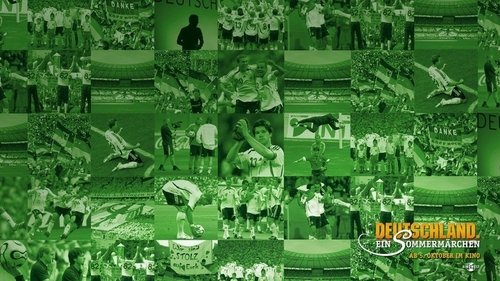
A documentary of the German national soccer team’s 2006 World Cup experience that changed the face of modern Germany.

New Jersey, June 18, 1994. Giants Stadium is awash with green as Irish soccer fans arrive to watch Ireland's opening World Cup match against the mighty Italy. The sense of optimism is infectious. The Celtic Tiger is in its infancy. Bill Clinton's decision a few months earlier to grant a visa to Irish Republican leader Gerry Adams has added momentum to an embryonic peace process. Jack Charlton's team walks onto the pitch before 75,000 fervent spectators who've traveled from across the globe for this game.
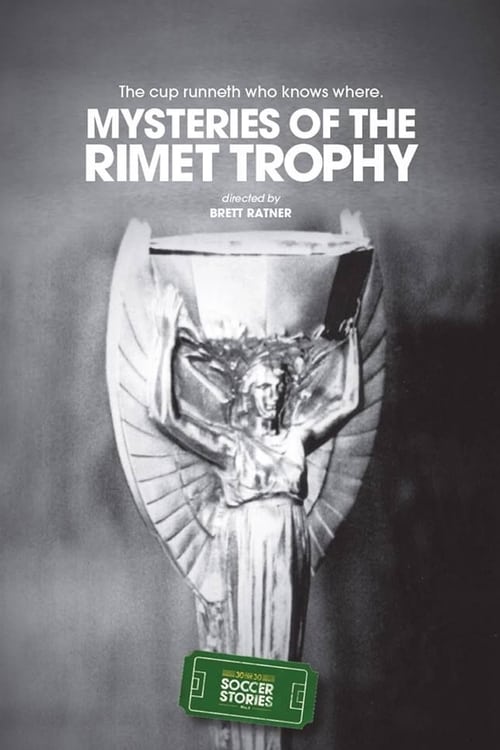
Starting with a Nazi plan to steal the Rimet Trophy from Italy during World War II, the story unfolds like a great caper film. Our hero, Ottorino Barassi, a mild-mannered Italian soccer official, tries to protect a valued treasure.
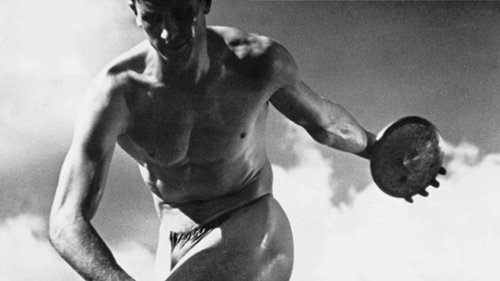
Starting with a long and lyrical overture, evoking the origins of the Olympic Games in ancient Greece, Riefenstahl covers twenty-one athletic events in the first half of this two-part love letter to the human body and spirit, culminating with the marathon, where Jesse Owens became the first track and field athlete to win four gold medals in a single Olympics.
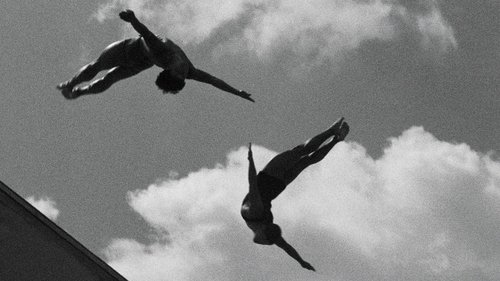
Part two of Leni Riefenstahl's monumental examination of the 1938 Olympic Games, the cameras leave the main stadium and venture into the many halls and fields deployed for such sports as fencing, polo, cycling, and the modern pentathlon, which was won by American Glenn Morris.
Subscribe for exclusive insights on movies, TV shows, and games! Get top picks, fascinating facts, in-depth analysis, and more delivered straight to your inbox.
