
Action
Adventure
Animation
Comedy
Crime
Documentary
Drama
Family
Fantasy
History
Horror
Music
Mystery
Romance
Science Fiction
Thriller
War
Western

Jane Wodening (born Mary Jane Collom, and formerly known as Jane Brakhage) is an American writer and the first wife of filmmaker Stan Brakhage. The birth of their first child is the subject of the 1959 experimental short film Window Water Baby Moving. Wodening married Stan Brakhage in 1957 and is credited with creating scrapbooks for the Brakhage family during what is recognized as the filmmaker's...
Explore all movies appearances
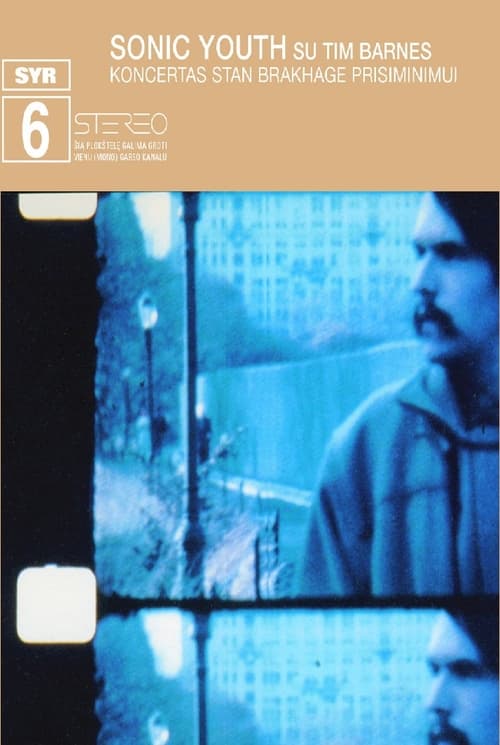
Filmed April 12, 2003 at a benefit concert held at and for The Anthology Film Archives, the international center for the preservation, study, and exhibition of avant-garde and independent cinema. In addition to screening films for the public, AFA houses a film museum, research library and art gallery. The event, which raised money for the Archives and celebrated the life and work of avant-garde film maker Stan Brakhage, featured Sonic Youth providing an improvised instrumental collaboration with silent Brakhage’s films. The band performed with drummer/percussionist Tim Barnes (Essex Green, Jukeboxer, Silver Jews).
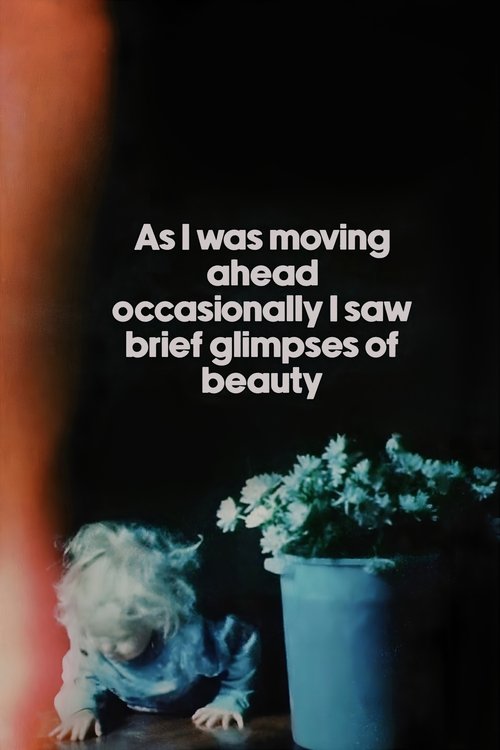
A compilation of over 30 years of private home movie footage shot by Lithuanian-American avant-garde director Jonas Mekas, assembled by Mekas "purely by chance", without concern for chronological order.

BRAKHAGE explores the depth and breadth of the filmmaker’s genius, the exquisite splendor of his films, his magic personal charm, his aesthetic fellow travelers, and the influence his work has had on generations of other creators. While touching on significant moments in Brakhage’s biography, the film celebrates Brakhage’s visionary genius, and explores the extraordinary artistic possibilities of cinema, a medium mostly known only for its commercial applications in the form of narratives, cartoons, documentaries, and advertising. BRAKHAGE combines excerpts from Brakhage’s films and films of other avant-garde filmmakers (eg, George Kuchar, Jonas Mekas, Willie Varela, Bruce Elder, and others); interviews with Brakhage, his friends, family, colleagues, and critics; archival footage of Brakhage spanning the past thirty-five years; and location shooting in Boulder, Colorado and New York.
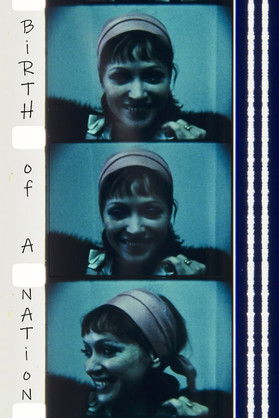
Jonas Mekas assembles 160 portraits, appearances, and fleeting sketches of underground and independent filmmakers captured between 1955 and 1996. Fast-paced and archival in spirit, the film celebrates the avant-garde as its own “nation of cinema,” a vital community existing outside the dominance of commercial film.
Someone said to me, of this film, that it was really about light; but Jane (who takes it as a portrait – i. e., sees herself in it) said: You gave me the moon and seven stars... and I signed this film, simply, Stan.
The culmination of a series of autobiographical films that Brakhage made about his family (collectively known as The Book of Family), Tortured Dust was shot as the filmmaker's children from his first marriage were beginning to leave the house, and edited during Brakhage and his first wife Jane's impending separation. The first half concentrates on Brakhage's teenage sons as they move around the cabin that has been their home for almost 20 years, and the second half turns towards the filmmaker's three daughters.
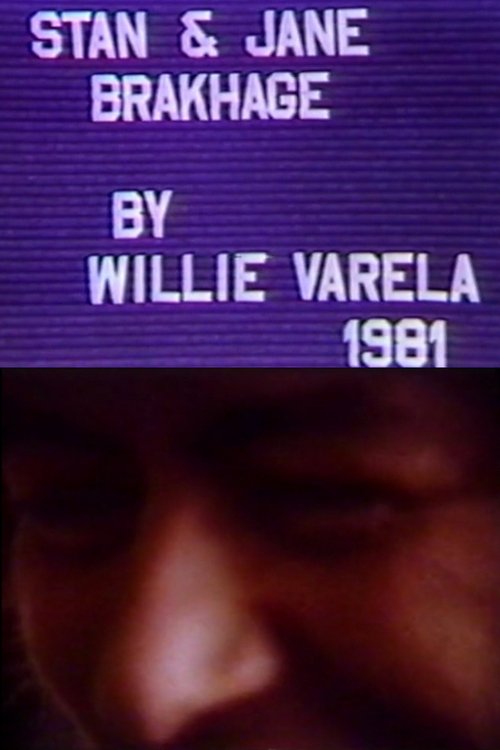
A poignant portrait of Stan and Jane Brakhage visiting Juarez.

This film describes a psychological state "kin to moonstruck, its images emblems (not quite symbols) of suspension-of-self within consciousness and then that feeling of falling away from conscious thought. The film can only be said to describe or be emblematic of this state because I cannot imagine symbolizing or otherwise representing an equivalent of thoughtlessness itself. Thus the actors in the film, Jane Brakhage, Tom and Gloria Bartek, Williams Burroughs, Allen Ginsberg, Peter Olovsky and Phillip Whalen are figments of this 'Thought-Fallen Process', as are their images in the film to find themselves being photographed."
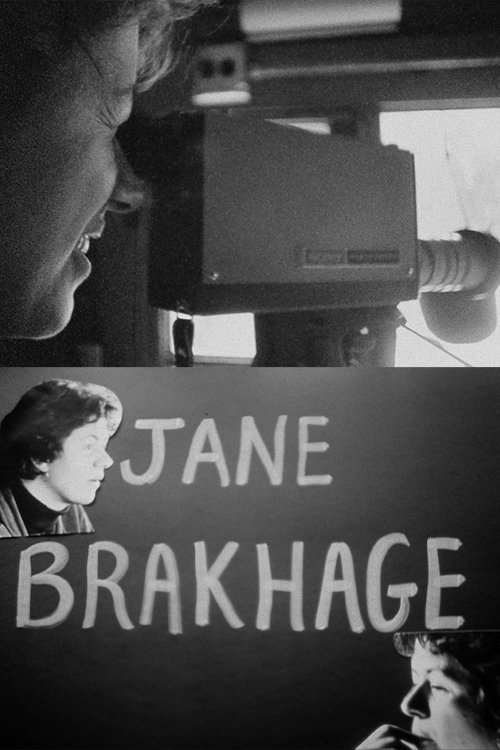
"I picked up Stan and Jane Brakhage at the airport and drove them to San Francisco State College where Stan spoke about his films to the student body. I was fascinated with Jane. She was so interested in the world around her while Stan seemed caught up only in his ideas. She picked seed pods from trees and plants and told me she had written a lexicon of dog language. She was so much more complex than Stan's portrayal of her in Window Water Baby Moving (1958) that I decided to make a documentary about her for my graduate project." — Barbara Hammer 16mm film, Color/Sound
"HER" to me is always Jane, in the first place, but also Hera: "goddess of women and marriage," naturally enough. Then, too, as it is a hymn of light, and as he/me feels the self that way, it sings of and to itself.
Subscribe for exclusive insights on movies, TV shows, and games! Get top picks, fascinating facts, in-depth analysis, and more delivered straight to your inbox.