
Action
Adventure
Animation
Comedy
Crime
Documentary
Drama
Family
Fantasy
History
Horror
Music
Mystery
Romance
Science Fiction
Thriller
War
Western

At a young age she went to Barcelona where she studied theater in the "Instituto del Teatro" with Marta Grau. She debuted in theater in 1944 in Barcelona and in 1948 in the "Teatro Espanol de Madrid". She married a Mexican medical doctor, temporarily interrupting her career. In 1967 she came back to Spain and started working again.
Explore all movies appearances
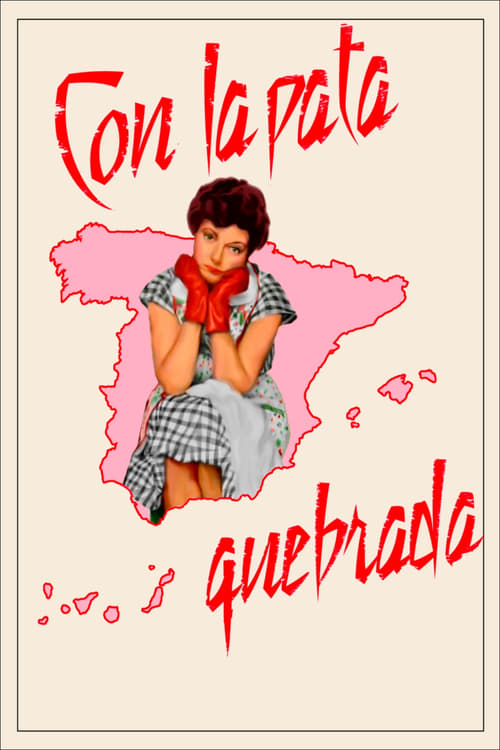
What was the role of women in Spanish cinema from the 1930s to the present explained through fragments of different films, both fiction and non-fiction. (Followed by “Manda huevos,” 2016.)

This movie doesn't have any coherent plot. It's the portrait of the lives of different people in the hard years of post-war in Spain (the 40's), and how they manage to survive in a country desolated by the war. Like other films: La colmena or Roma (Fellini) it shows us lots of characters and some moments of their lives.
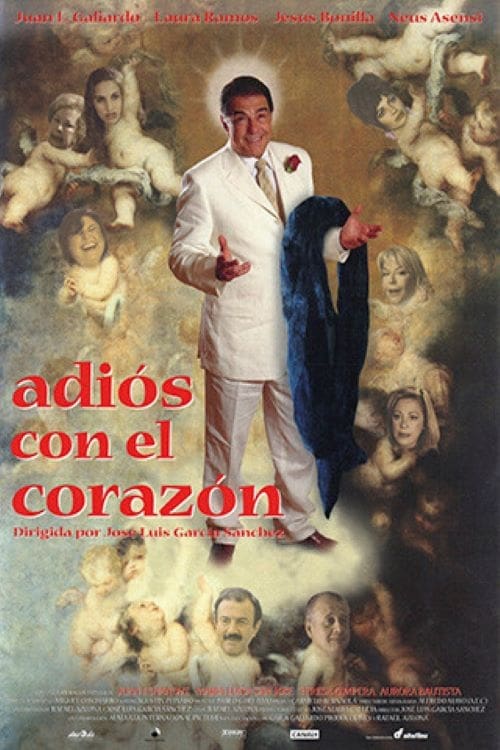
Juan is now in his fifties, has a protruding belly, dyes his hair gray and lives alone with a cat who has urinary problems, but despite this, women still find him attractive.
No plot available for this movie.

Sister Angela and Sister Mary park his van in front of a bank branch. They enter the bank and with the weapons hidden under their habits, commit the robbery of the century, to the astonishment of all employees and customers. After thorough police investigation the two nuns are arrested, but then appears Trini, twin sister of one of them and now all is not so clear. Were the nuns who committed the robbery?
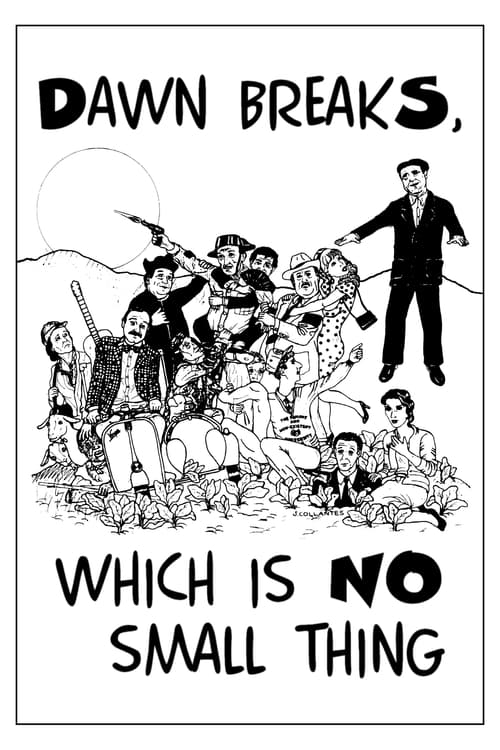
Teodoro, a Spanish engineer working as a professor in the United States, returns to Spain to enjoy a sabbatical year.
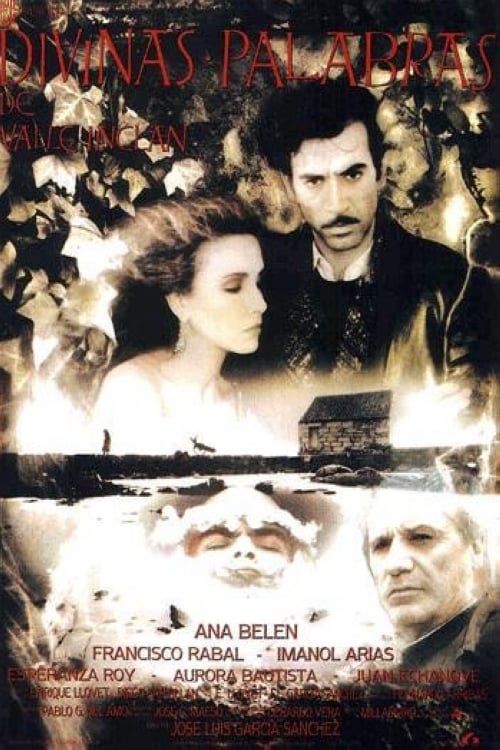
A work of Valle-Inclán, the story takes place in Galicia in the early twentieth century. To escape poverty, the wife of a sacristan uses a hydrocephalic child as a sideshow attraction. This causes a confrontation with her sister-in-law.
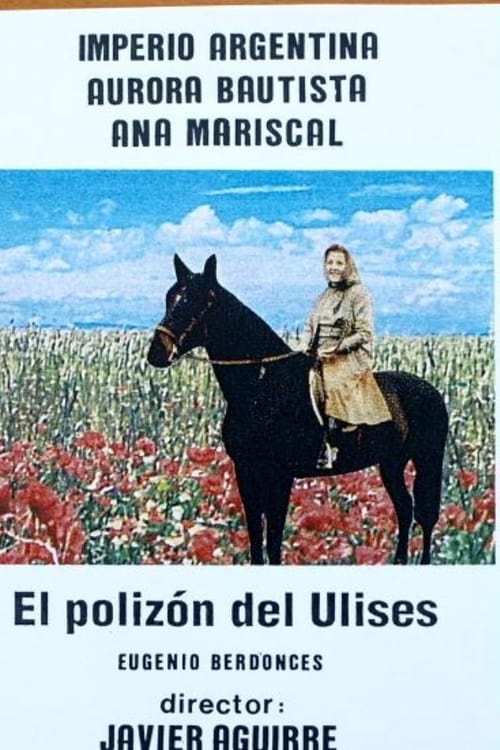
No plot available for this movie.
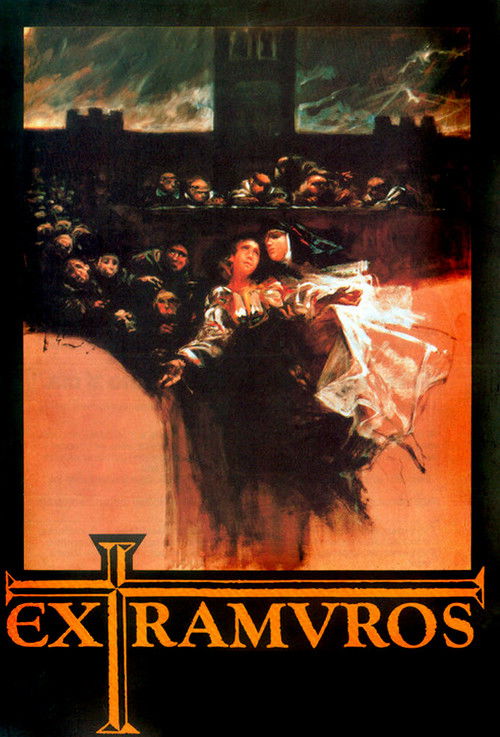
This 1985 Spanish film reveals one of the many terrible aspects of 16th century Spain, still plagued by the radical Christian Inquisition, one of a plethora of difficulties Spaniards faced at the time. Spanish super star Carmen Maura plays a nun who agrees to a selfless scam, a fake stigmata, only to avoid separation from her lover, another nun. It's a serious and passionate work, highlighting the theme of outspoken women-against-repression, seen in other good gay and lesbian films. This is not a lesbian "Nun sense" or another "Dark Habits" (by Almodovar, which also starred Carmen Maura, and also set in a Spanish convent, with some lesbian nuns). Perhaps, best of all, 'Extramuros' is realistic and frank. It isn't shy about its characters' sexuality. Their sexuality, and the film as a whole are genuine.
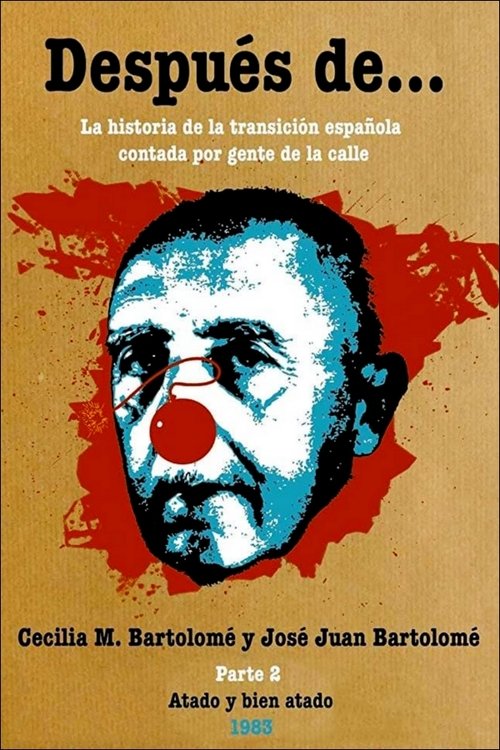
A history of the Spanish Transition told in first person by the main protagonists: on the one hand, the politicians, idealistic or merely opportunistic, who brought it to a successful conclusion in the tribunes and offices; on the other hand, the citizens who, in the streets, supported it sincerely or fought it with ferocity.
Subscribe for exclusive insights on movies, TV shows, and games! Get top picks, fascinating facts, in-depth analysis, and more delivered straight to your inbox.