
Action
Adventure
Animation
Comedy
Crime
Documentary
Drama
Family
Fantasy
History
Horror
Music
Mystery
Romance
Science Fiction
Thriller
War
Western
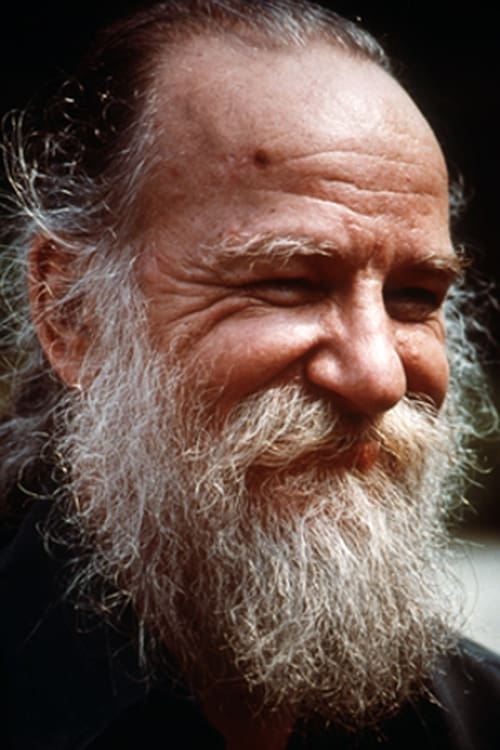
Born in 1925, Ed Emshwiller studied graphic design at the University of Michigan and L'Ecole des Beaux Arts in Paris. By the late '60s Emshwiller was working as a science fiction illustrator, and had established his place in the American avant-garde cinema with such works as Relativity (1966) and Image, Flesh and Voice (1969). His early films featured collaborations with dancers and choreographers...
Explore all movies appearances
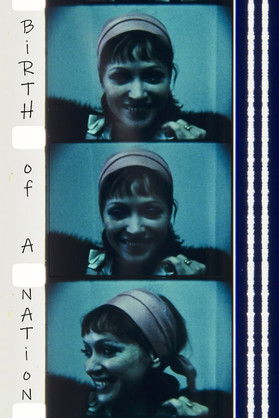
Jonas Mekas assembles 160 portraits, appearances, and fleeting sketches of underground and independent filmmakers captured between 1955 and 1996. Fast-paced and archival in spirit, the film celebrates the avant-garde as its own “nation of cinema,” a vital community existing outside the dominance of commercial film.
Home movies shot on Super 8mm by W+B Hein over 10 years.
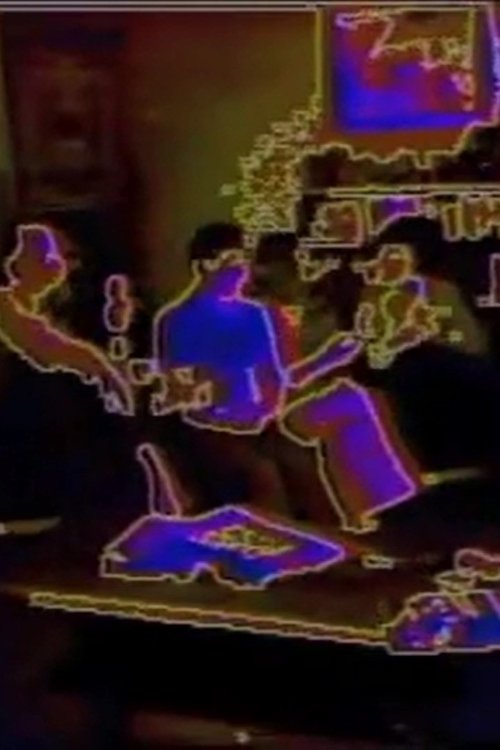
Emshwiller terms Family Focus a "family self-portrait, a stylized autobiography," which takes the form of an intimate collage of home movies, black-and-white videotape and photographs that have been colorized, synthesized or otherwise visually transformed in an electronic mediation by the artist. The viewer is witness to the spontaneous activities and conversations of the family's quotidian home life, which is accompanied by Carol Emshwiller's ironic, often poetic commentary. In one sequence of home movies, the children are seen "growing" over a span of twenty years. Using the video camera as a kind of psychological mirror, Emshwiller integrates video's intimacy, reflexivity and realism with its "unreal" technological manipulations to form what the artist describes as a "documentary/video art transformation of self-revealing images."
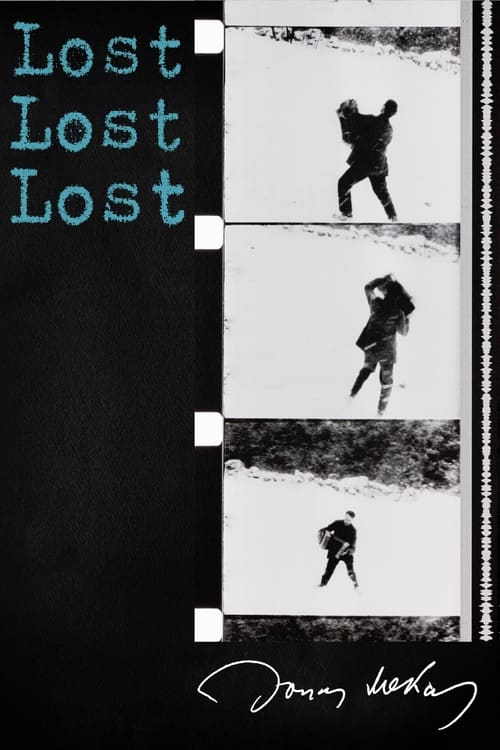
Drawn from footage shot between 1949 and 1963, Jonas Mekas’s autobiographical diary film chronicles his early years in exile, capturing the struggle to build a new life in New York and his gradual discovery of a vibrant artistic community.
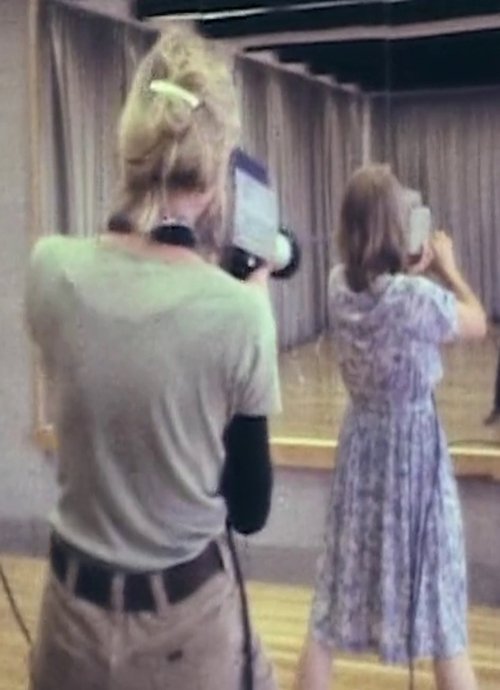
Super 8 film. Observations of the Institute on Film, Video & Photography, Amherst, MA, summer 1975. Among the cast of characters, in order of appearance, are Robert Breer, John Terry, Steve Ascher, Richard Leacock, Jon Rubin, Frank Daniel, Ed Emshwiller, Ann McIntosh, Terry Lockhart, Standish Lawder, Jerome Liebling.
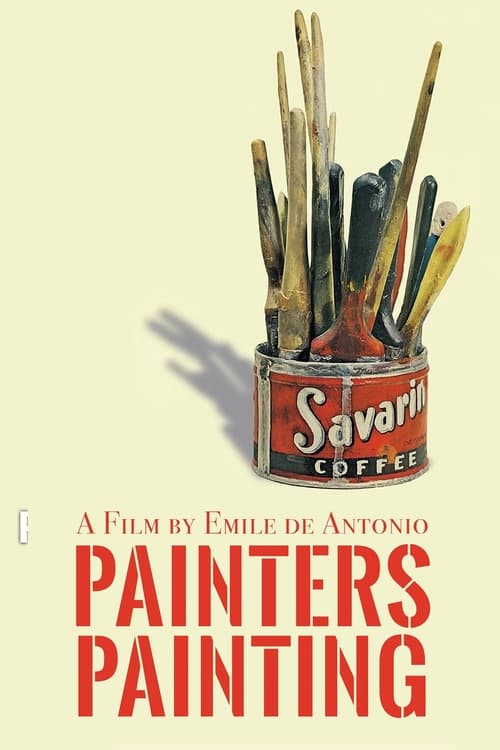
Painters Painting: The New York Art Scene 1940-1970 is a 1972 documentary directed by Emile de Antonio. It covers American art movements from abstract expressionism to pop art through conversations with artists in their studios. Artists appearing in the film include Willem de Kooning, Jasper Johns, Andy Warhol, Robert Rauschenberg, Helen Frankenthaler, Frank Stella, Barnett Newman, Hans Hofmann, Jules Olitski, Philip Pavia, Larry Poons, Robert Motherwell, and Kenneth Noland.
Also known as Walden, Jonas Mekas’s first diary film is a six-reel chronicle of his life in 1960s New York, interweaving moments with family, friends, lovers, and artistic idols. Blending everyday encounters with portraits of the avant-garde art scene, it forms an epic, personal meditation on community, creativity, and the passage of time.
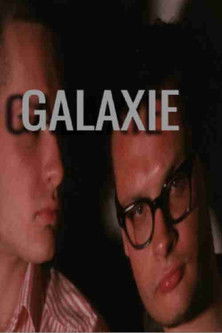
In March and April of 1966, Markopoulos created this filmic portrait of writers and artists from his New York circle, including Parker Tyler, W. H. Auden, Jasper Johns, Susan Sontag, Storm De Hirsch, Jonas Mekas, Allen Ginsberg, and George and Mike Kuchar, most observed in their homes or studios. Filmed in vibrant color, Galaxie pulses with life. It is a masterpiece of in-camera composition and editing, and stands as a vibrant response to Andy Warhol's contemporary Screen Tests. Preserved by the Academy Film Archive in 2001.
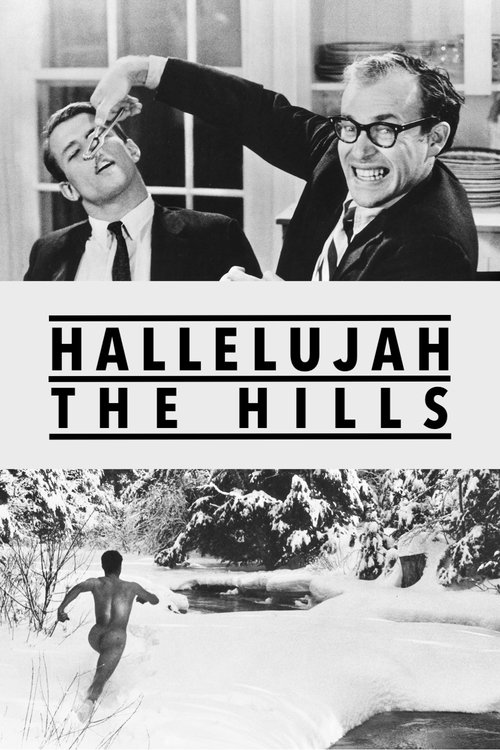
Jack and Leo vie for the affections of Vera – who appears a little differently to each man – over the course of a series of energetic sketches, flashbacks and homages.
Subscribe for exclusive insights on movies, TV shows, and games! Get top picks, fascinating facts, in-depth analysis, and more delivered straight to your inbox.