
Action
Adventure
Animation
Comedy
Crime
Documentary
Drama
Family
Fantasy
History
Horror
Music
Mystery
Romance
Science Fiction
Thriller
War
Western
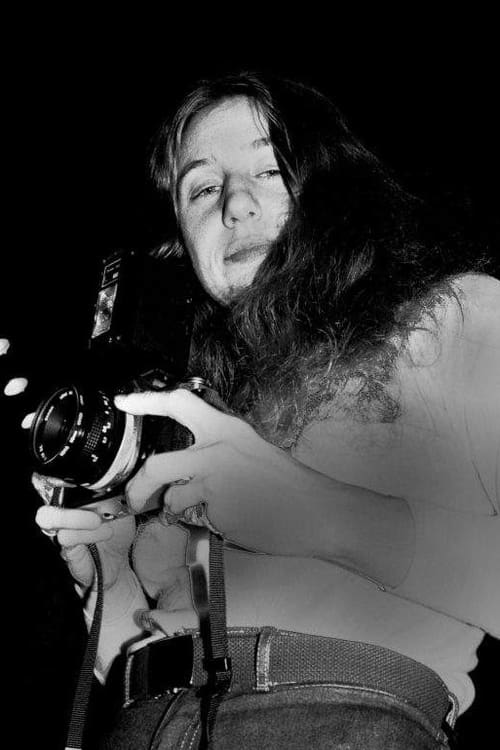
Martha Rosler (born 1943) is an American artist. She is a conceptual artist who works in photography and photo text, video, installation, sculpture, site-specific and performance, as well as writing about art and culture. Rosler's work is centered on everyday life and the public sphere, often with an eye to women's experience. Recurrent concerns are the media and war, as well as architecture and t...
Explore all movies appearances
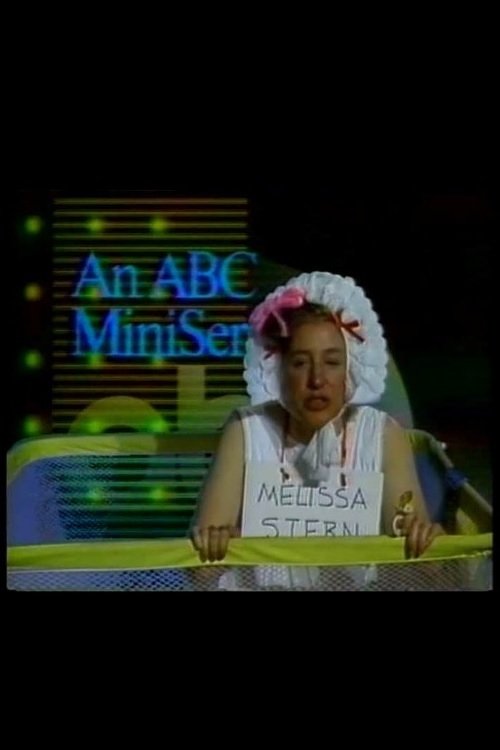
Born to be Sold is Paper Tiger Television and Rosler's acerbic and witty interpretation of the notorious "Baby M" case, in which a natural — "surrogate" — mother and father of a baby fought each other for custody of the child. Rosler assumes various roles of the participants in the controversy, from the baby to the sperm, from the lawyer to the judge, as well as the two women in the case. Reconstructing the story from its trial by media and the court transcripts, Rosler views "surrogate" mother Mary Beth Whitehead's actions as an attempt to defy the identity assigned by her class and gender, and sees the verdict favoring the Sterns as an endorsement of the father's phallic right, his jurisprudential entitlement. Her analysis demonstrates how political, class and ideological systems are played out on the body of the woman.
In this interview with Craig Owens the artist discusses her early family influences and her time at the University of California. "There was a tremendous amount of alternative culture that completely took place... without any relation to the high art world of New York,” she remembers. A historical interview originally recorded in 1984 and re-edited in 2005 with support from the Lyn Blumenthal Memorial Fund.

Artist Martha Rosler identifies the totalitarian implications of an argument for torture under certain circumstances, as it appears in the editorial pages of Newsweek magazine.
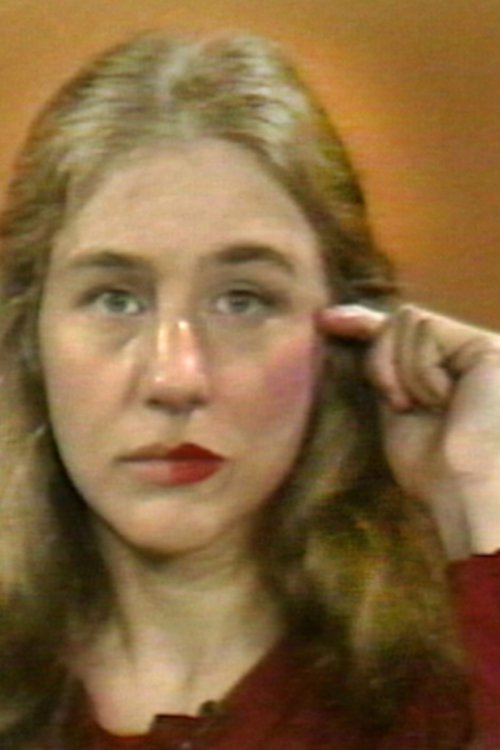
In this live performance for Paper Tiger Television's public-access cable program in New York, Rosler deconstructs the messages in Vogue and its advertising. Rosler looks at the institutional slants of the magazine industry and the fashion industry's reliance on sweatshops.
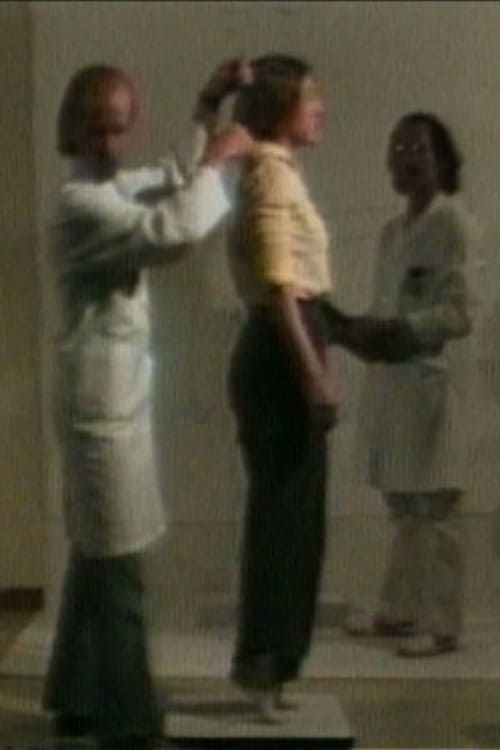
Taking aim at the social standardization enforced particularly on women's bodies, Rosler critiques the politics of "objective" or scientific evaluation that result in the depersonalization, objectification, and colonization of women and Others.
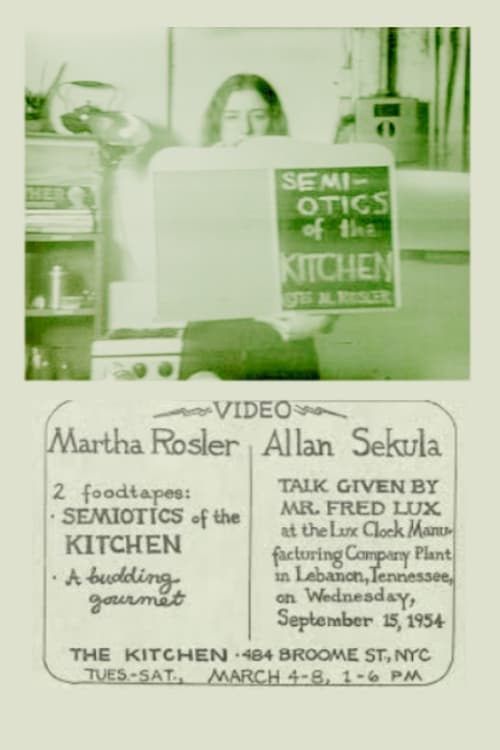
Martha Rosler explores kitchen utensils by alphabet.
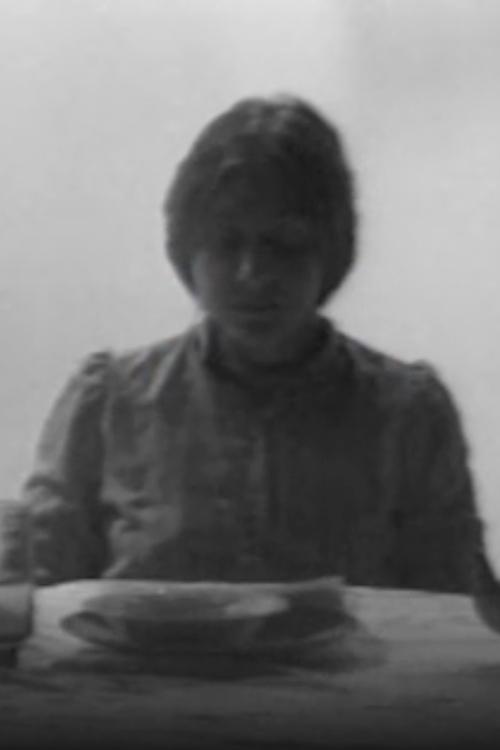
‘A cook can’t just mix things up’, says a woman with a typical Brooklyn accent while the camera shows sophisticated images from food and travel magazines. In this black-and-white video, her first in this format, Martha Rosler explores the relationship between gastronomy, class and breeding. A silhouetted woman hiding her face from the camera describes her efforts to improve her status and that of her family through gastronomy. With a deadpan voice and accompanied by the strains of a violin concerto, the woman explains why she wants to become a gourmet. The text comes from one of Rosler’s ‘postcard novels’ entitled Budding Gourmet – also written in 1974 – in which in eleven chapters the artists tells the story in the first person of a woman wanting to learn haute cuisine to climb the social ladder.
Subscribe for exclusive insights on movies, TV shows, and games! Get top picks, fascinating facts, in-depth analysis, and more delivered straight to your inbox.