
Action
Adventure
Animation
Comedy
Crime
Documentary
Drama
Family
Fantasy
History
Horror
Music
Mystery
Romance
Science Fiction
Thriller
War
Western
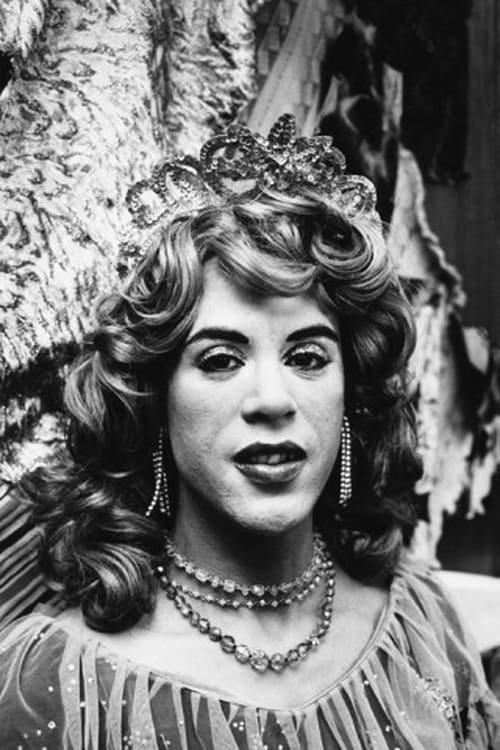
René Rivera, (July 20, 1935 – September 26, 2013), known professionally as Mario Montez, was one of the Warhol superstars, appearing in thirteen of Andy Warhol's underground films from 1964 to 1966. He took his name as a male homage to the actress Maria Montez, an important gay icon in the fifties and sixties. Before appearing in Warhol's films, he appeared in Jack Smith's important underground fi...
Explore all movies appearances
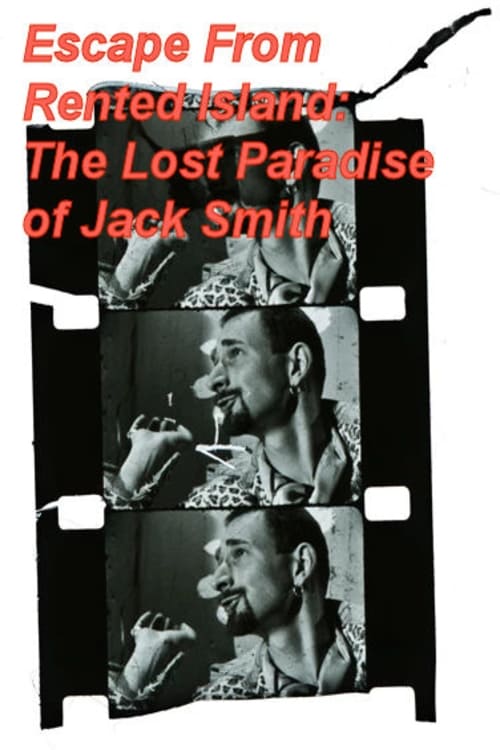
In his essay film, Jerry Tartaglia, longtime archivist and restorer of the film estate of queer New York underground, experimental film, and performance legend Jack Smith, deals less with Smith’s life than with his work, analyzing Smith’s aesthetic idiosyncrasies in 21 thematic chapters. It's a film essay about the artist’s work, rather than a documentary about his life. An unmediated vision of Jack Smith, an invitation to join him in his lost paradise.

In this entrancing documentary on performance artist, photographer and underground filmmaker Jack Smith, photographs and rare clips of Smith's performances and films punctuate interviews with artists, critics, friends and foes to create an engaging portrait of the artist. Widely known for his banned queer erotica film Flaming Creatures, Smith was an innovator and firebrand who influenced artists such as Andy Warhol and John Waters.
The New York underground linked the paths of the actor and playwright Charles Ludlam, the superstar of avant-garde cinema Mario Montez and the Argentine artist Leandro Katz. An underground community found refuge in a porn cinema that Ludlam rented at night to stage his theater of the ridiculous. In 1970 he premiered The Grand Tarot, an extravagant burlesque where the arcana became characters and a reading of cards before the performance began established the order of the scenes. Rollo Six materializes that furtive experience, recovering in its formal commitment the inventiveness of chance that guided Ludlam's work. Katz superimposes edited scenes in camera, fracturing the screen through the use of masks that cover the lens and allow him to separately expose each corner of the frame.
A film by Alfredo Leonardi.

Adventures of Lily Lonely, a wicked gypsy and a mischievous boy. In color.
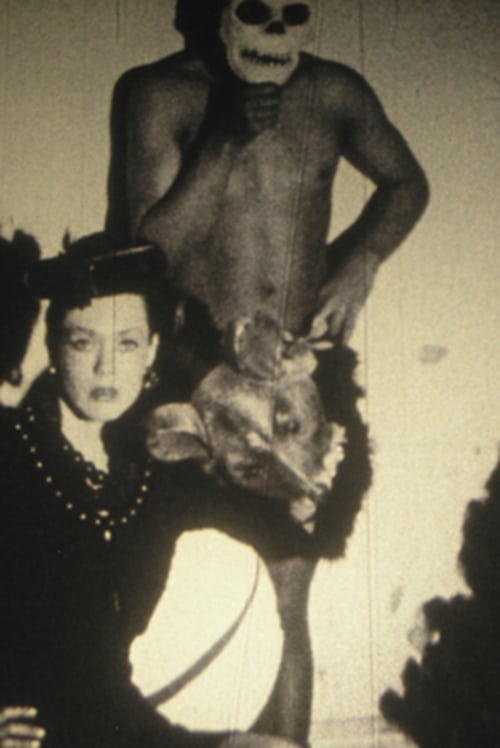
Smith's third feature film was originally titled "The Kidnapping of Wendell Willkie by the Love Bandit," in reaction to the 1968 Presidential Campaign. It mixes B&W footage of Smith's creatures with old campaign footage of Willkie, a liberal Republican who ran against FDR in the 1940's. The climax of the work appears to be the "auctioning" of the presidential candidate at a convention.
The three faces (two women and one tranvestized man) in the series of close up, which are shot separately in their sexual process of the acting and the real, are intercut and edited making into a film. The sound is the voice of continuous laughing of a woman repeated from a loop-tape. What I try to realize in this film is the question of gender through the facial expression in sex between woman and tranvestized man, and the image in detail between the ac ting and the real life. When these factors are mixed, one can hardly distinguish one from the other.
Features underground film makers and stars Jack Smith, Charles Ludlum, and Bill Vehr. A satirical film, comprising a collection of vignettes of the entertainment personalities who were famous during the "Roaring Twenties". Included is a take-off of the Ziegfeld Follies girl-parade, which features Ava-Graph's own pretty girls. Original music of the twenties. In stunning color
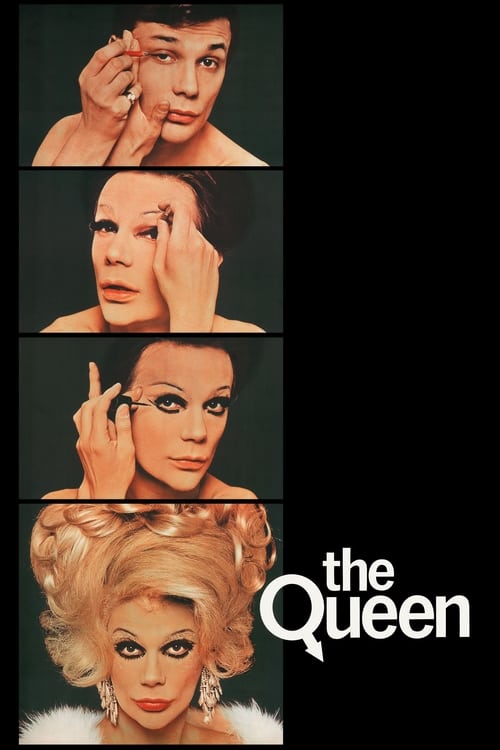
In 1967, New York City is host to the Miss All-American Camp Beauty Pageant. This documentary takes a look behind the scenes, transporting the viewer into rehearsals and dressing rooms as the drag queen subculture prepares for this big national beauty contest. Jack/Sabrina is the mistress of ceremonies, and their protégé, Miss Harlow, is in the competition. But, as the pageant approaches, the glamorous contestants veer from camaraderie to tension.
Also known as Walden, Jonas Mekas’s first diary film is a six-reel chronicle of his life in 1960s New York, interweaving moments with family, friends, lovers, and artistic idols. Blending everyday encounters with portraits of the avant-garde art scene, it forms an epic, personal meditation on community, creativity, and the passage of time.
Subscribe for exclusive insights on movies, TV shows, and games! Get top picks, fascinating facts, in-depth analysis, and more delivered straight to your inbox.