
Action
Adventure
Animation
Comedy
Crime
Documentary
Drama
Family
Fantasy
History
Horror
Music
Mystery
Romance
Science Fiction
Thriller
War
Western

Luiz Carlos Lacerda de Freitas (Rio de Janeiro, July 15, 1945) is a Brazilian film director known for For All: Springboard to Victory (1997), Leila Diniz (1987) and O Princípio do Prazer (1979).
Explore all movies appearances

No plot available for this movie.
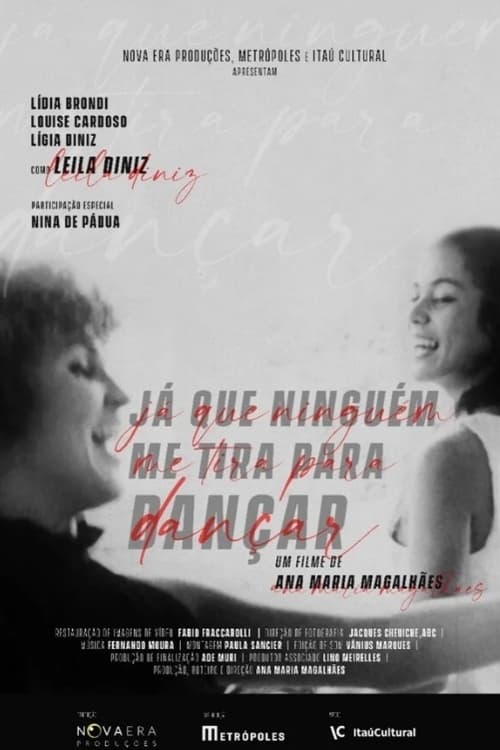
Conducted from interviews with personalities who lived with Leila Diniz (1945-1972), the documentary is a record of an era and, above all, it rescues the participation in Brazilian culture of the actress who opened the way for the sexual revolution during the dark years of the dictatorship.
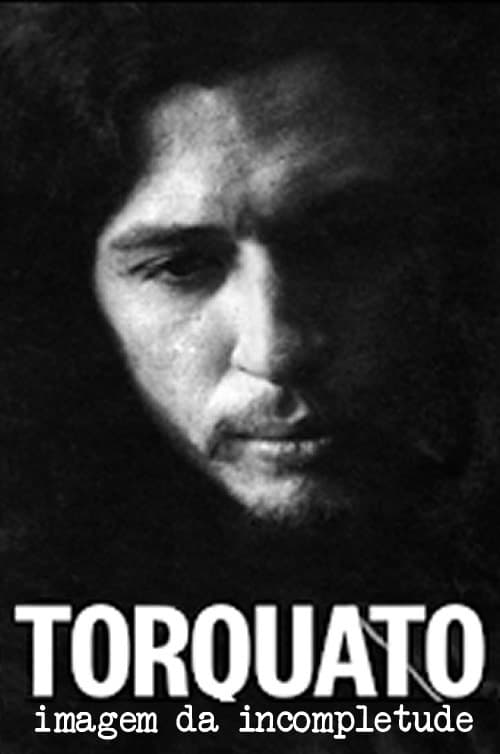
A reflection on the works and thinking of the last years of production by Torquato. Such as the magazine "Navilouca", the film "Terror da Vermelha", the column "Geleia Geral" and the controversial Cinema Novo X Marginal, among other passages important aspects of Brazilian culture in the 60s and 70s.

Topless muse in Rio de Janeiro, Ana Paula Nogueira uses the ban on bare breasts and her story to debate freedom and feminism in the city that exported thongs and which has the false reputation of being libertarian.
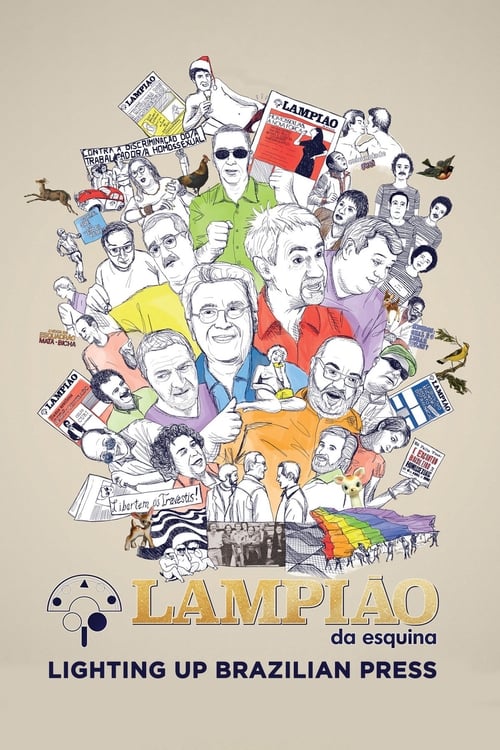
Inspired by the US paper “Gay Sunshine”, in April of 1978 appeared in Brazil – during the dictatorship – the newspaper “O Lampião”, depicting the point of view of gays on various issues, including sexuality. A group of journalists and writers from Rio de Janeiro and São Paulo joined the project, fueling a publication that paved the way for the press at the time, addressing controversial issues at the period, such as racism, abortion, drugs and prostitution.
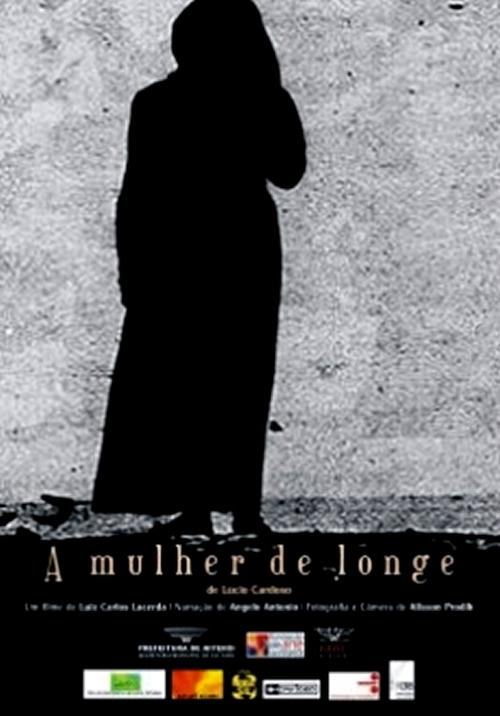
Poetic reconstruction of the unfinished film, directed by writer Lúcio Cardoso, from Minas Gerais, in 1949, in the fishing village of Itaipu / Niterói, based on recovered scenes and excerpts from the film diary. The documentary shows the process of a writer struggling with the desire to make a film.
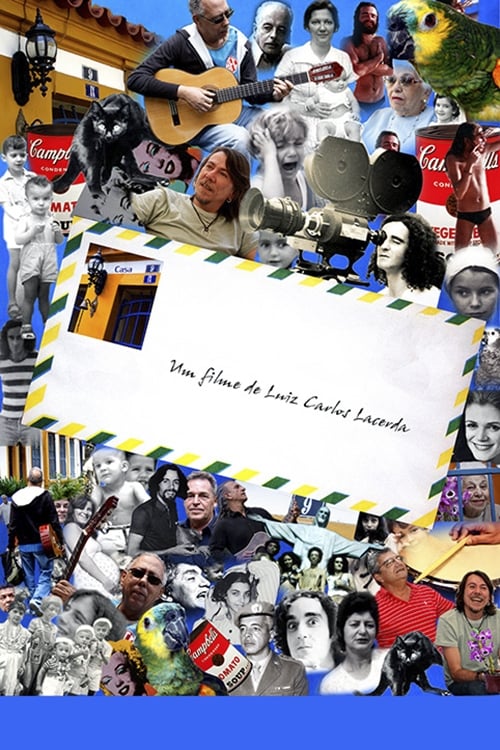
In the 1970s, in the midst of a military dictatorship, composer Jards Macalé and filmmaker Luiz Carlos Lacerda (Bigode) shared a house in Rio de Janeiro - which became a center of convergence for musicians, filmmakers and writers, and where they performed classic films and songs of Brazilian culture.

Cinema in 7 Colors traces an historical panorama of how the queer people were portrayed in the Brazilian silver screens, from its origin in the chanchadas of the 1950s up to the present day. The film investigates the origins of the prejudices, stereotypes, as well as the importance of the identification with constructive representations of these characters.
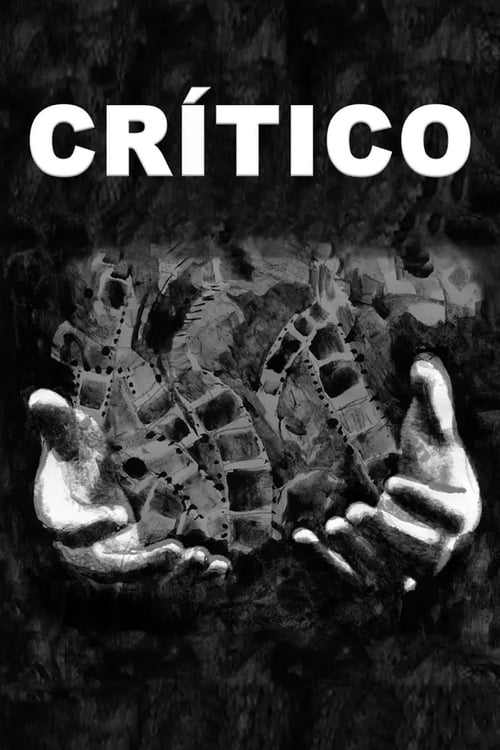
Seventy critics and filmmakers discuss cinema around the conflict between the artist and the observer, the creator and the critic. Between 1998 and 2007, Kléber Mendonça Filho recorded testimonies about this relationship in Brazil, the United States and Europe, based on his experience as a critic.

After being fired from his job and have his unemployment insurance money robbed, a young man decides to become a robber himself. While escaping authorities, he meets a female teacher of whom he takes hostage. Things get complicated when they fall in love with each other.
Subscribe for exclusive insights on movies, TV shows, and games! Get top picks, fascinating facts, in-depth analysis, and more delivered straight to your inbox.