
Action
Adventure
Animation
Comedy
Crime
Documentary
Drama
Family
Fantasy
History
Horror
Music
Mystery
Romance
Science Fiction
Thriller
War
Western

From Wikipedia, the free encyclopedia. Eugene Andrew Cernan was an American astronaut, naval aviator, electrical engineer, aeronautical engineer, and fighter pilot. During the Apollo 17 mission, Cernan became the eleventh person to walk on the Moon. Since he re-entered the lunar module after Harrison Schmitt on their third and final lunar excursion, he was the last person to have walked on the Mo...
Explore all movies appearances

July 20, 1969. Apollo 11 lands on the surface of the Moon. Such a feat was apparently performed to the greater glory of all mankind, but actually it marked the end of the space race disputed by the two great superpowers of the time in their eagerness to arrive before and the beginning of the spread of the Cold War into space. Nowadays, the struggle continues, but the main competitors and their purposes are others.
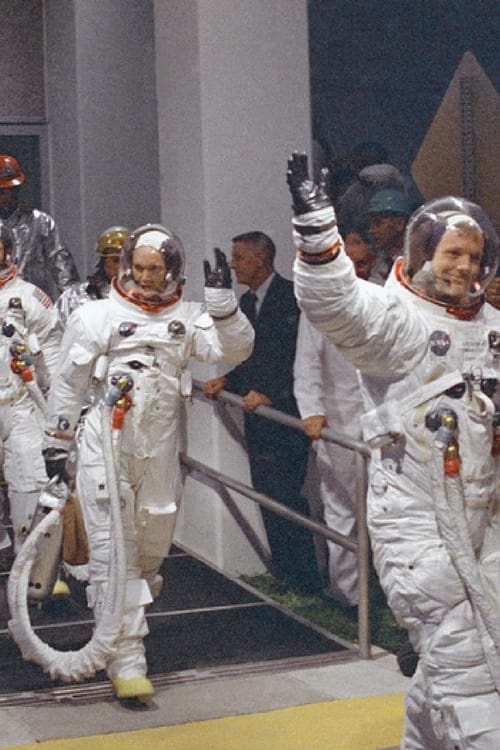
A collection of excerpted on-screen interviews with fifteen of the Apollo astronauts.
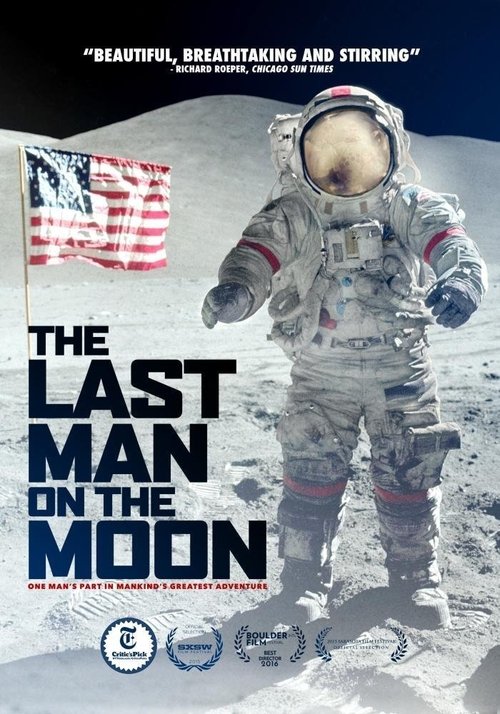
The 1960s was an extraordinary time for the United States. Unburdened by post-war reparations, Americans were preoccupied with other developments like NASA, the game-changing space programme that put Neil Armstrong on the moon. Yet it was astronauts like Eugene Cernan who paved the uneven, perilous path to lunar exploration. A test pilot who lived to court danger, he was recruited along with 14 other men in a secretive process that saw them become the closest of friends and adversaries. In this intensely competitive environment, Cernan was one of only three men who was sent twice to the moon, with his second trip also being NASA’s final lunar mission. As he looks back at what he loved and lost during the eight years in Houston, an incomparably eventful life emerges into view. Director Mark Craig crafts a quietly epic biography that combines the rare insight of the surviving former astronauts with archival footage and otherworldly moonscapes.
On December 7, 1972, NASA launched Apollo 17, a lunar mission crewed by Eugene Cernan, Ronald Evans and Harrison Schmitt. It would be the last time humans traveled beyond low Earth orbit, the last time man landed on another celestial body, and the last time man went to the moon. The Last Steps uses rare, heart-pounding footage and audio to retrace the record-setting mission.
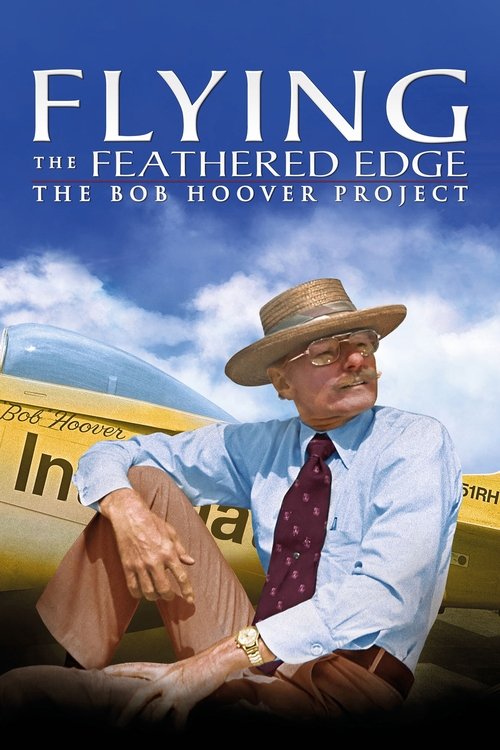
Bob Hoover tells his own story and shares, with his trademark charm, the hard earned wisdom of a life spent pushing the edge of the envelope while contributing to aviation’s many developments.
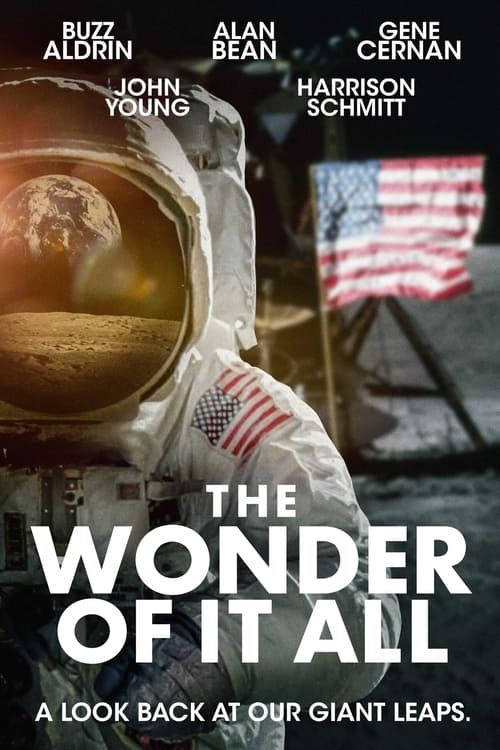
The Wonder of it All focuses on the human side of the men behind the Apollo missions through candid interviews with seven of the Apollo astronauts: Buzz Aldrin, Alan Bean, Edgar Mitchell, John Young, Charles Duke, Eugene Cernan and Harrison Schmitt. They all reflect on the training, the tragedies, the camaraderie, and the effect that their space travel has had on their families.

Archival material from the original NASA film footage – much of it seen for the first time – plus interviews with the surviving astronauts, including Jim Lovell, Dave Scott, John Young, Gene Cernan, Mike Collins, Buzz Aldrin, Alan Bean, Edgar Mitchell, Charlie Duke and Harrison Schmitt.
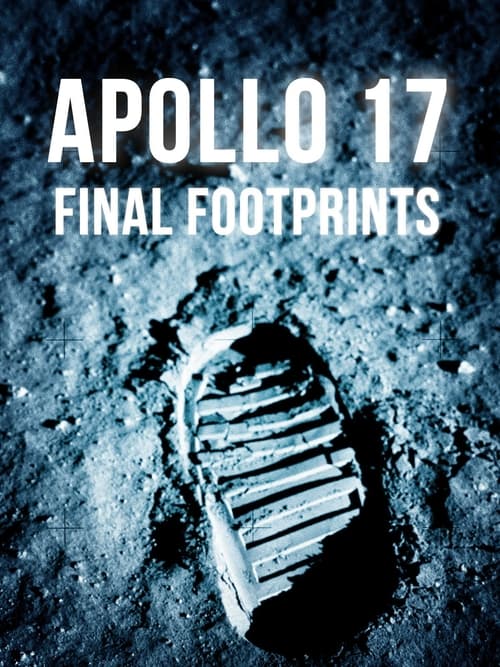
The Apollo 17 mission was the final opportunity to collect first hand information about the history and origin of the Moon. This film looks at this historic mission through the eyes of those who participated in it. Including Commander Eugene Cernan, Lunar Module Pilot Harrison Schmitt, and Command Module Pilot Ron Evans.

Astronauts Gone Wild: An Investigation Into the Authenticity of the Moon Landings is a 2004 documentary film produced and directed by Bart Winfield Sibrel, a Nashville, Tennessee-based filmmaker who charges that the six Apollo Moon landings in the 1960s and 1970s were elaborate hoaxes. Sibrel made this film as a follow-up to his 2001 video A Funny Thing Happened on the Way to the Moon, which accuses NASA of falsifying the Apollo 11 mission photography. The title of the film is a wordplay on the Girls Gone Wild video series.
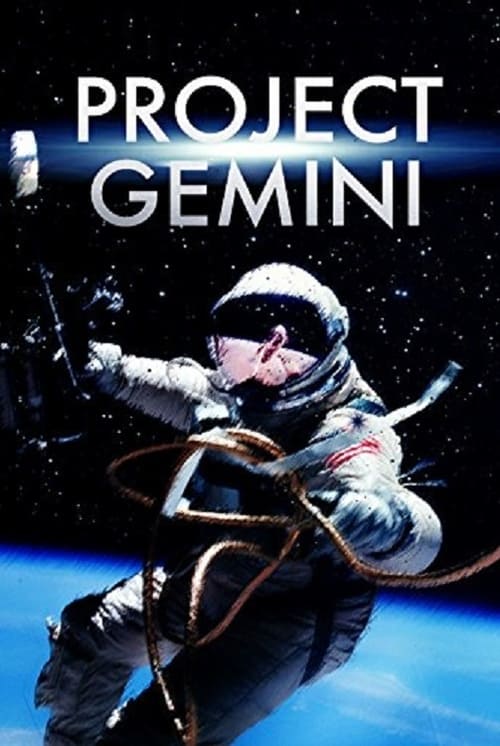
All of the necessary technologies required to reach the Moon was first tested during Project Gemini, which comprised of ten missions in the mid-1960s.
Subscribe for exclusive insights on movies, TV shows, and games! Get top picks, fascinating facts, in-depth analysis, and more delivered straight to your inbox.