
Action
Adventure
Animation
Comedy
Crime
Documentary
Drama
Family
Fantasy
History
Horror
Music
Mystery
Romance
Science Fiction
Thriller
War
Western
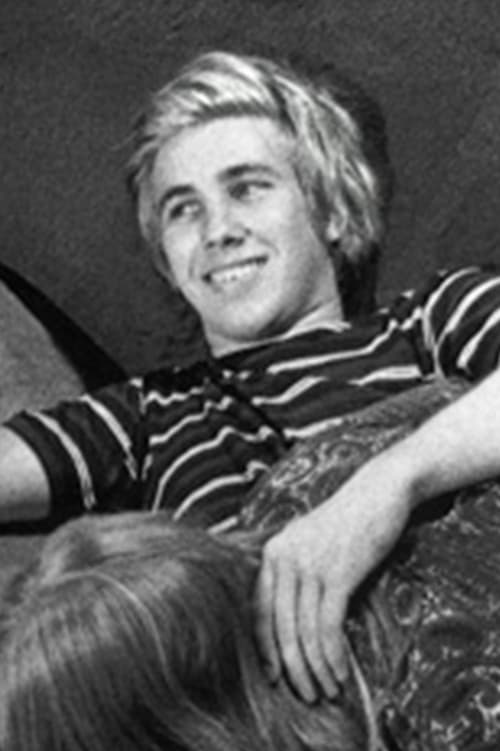
Chuck Wein was an American promoter and manager of entertainment acts whose celebrity stemmed from his five-year association with Andy Warhol and from his discovery of Edie Sedgwick who became Warhol Superstar of 1965.
Explore all movies appearances
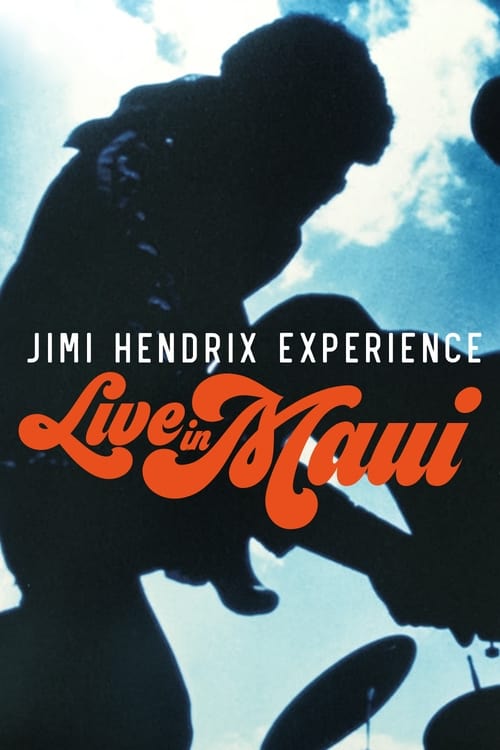
Jimi Hendrix Experience’s storied visit to Maui, their performance on the dormant lower crater of Haleakala volcano on the island and how the band became ensnared with the ill-fated Rainbow Bridge movie produced by their controversial manager Michael Jeffery.
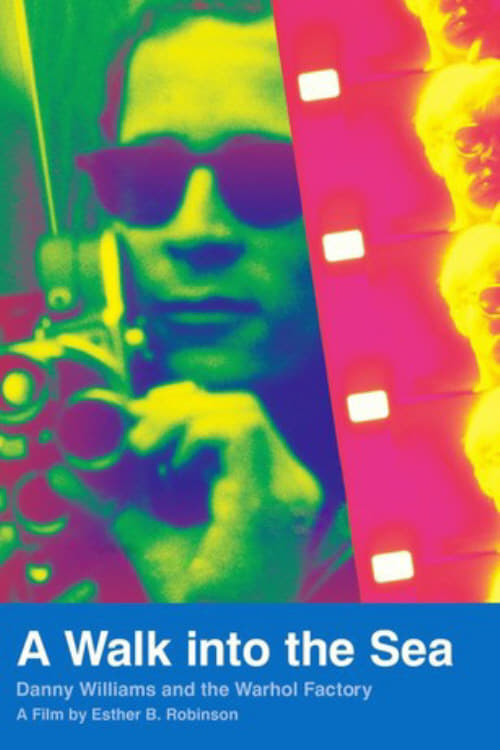
Esther Robinson's portrait of her uncle Danny Williams, Warhol's onetime lover, collaborator and filmmaker in his own right, offers a exploration of the Factory era, an homage to Williams's talent, a journey of family discovery and a compelling inquiry into Williams's mysterious disappearance at age 27.
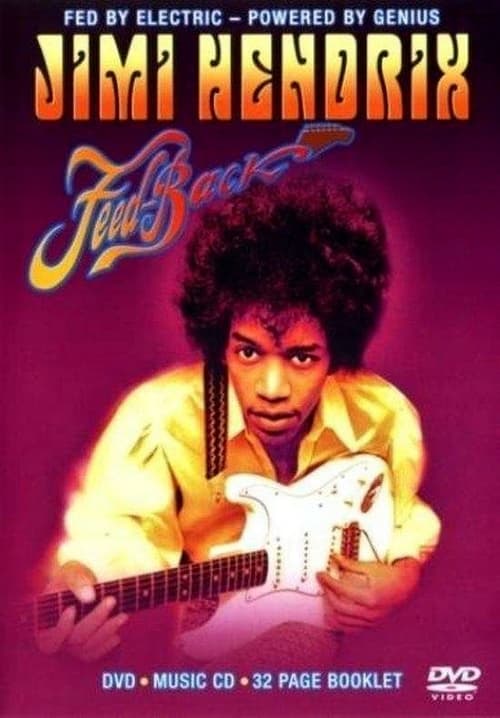
This new and revealing programme provides an incredibly detailed account of how Jimi Hendrix, a legendary guitarist touched by genius, lived his life in the high powered world of 60's Rock 'n' Roll.
Documentarians Juan Drago and Bruce Torbet follow a surprisingly relaxed and open Andy Warhol, at the peak of his powers in 1965 and 1966, around his bustling original "Factory" in midtown Manhattan. Warhol experiments with an early videotape machine, recording a beautiful, laughing Edie Sedgwick - his "superstar" of the moment - for the video portion of "Outer and Inner Space," his filmed record of the "live" Sedgwick juxtaposed against her video image on an adjacent monitor. Also captured is a Warhol show at the Leo Castelli gallery, including the famous Mylar "Clouds," as various unnamed art dealers and critics muse in voiceover about the meaning and significance of Warhol's work.

A young, jobless woman stays in bed, reads, talks on the phone, smokes cigarettes, makes fresh coffee, and tries on some clothes from a large wardrobe.
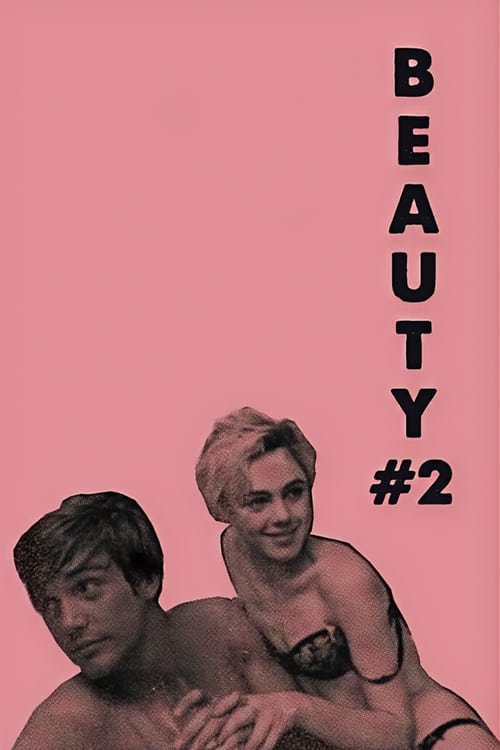
The movie has a fixed point of view showing a bed with two characters on it, Sedgwick and Piserchio. Chuck Wein is heard speaking but is just out of view. Sedgwick is wearing a lace bra and panties, and Piserchio, wearing only jockey shorts, engage in flirting and light kissing. Wein asks Sedgwick questions seemingly designed to harass and annoy her. Piserchio is more or less a bystander not interacting with Wein. The dialogue seems created adlib and no conclusions are reached in the film. The only conceivable climax is when Sedgwick finally becomes so mad, she throws a glass ashtray at Wein, breaking it.

The films were made between 1964 and 1966 at Warhol's Factory studio in New York City. Subjects were captured in stark relief by a strong key light, and filmed by Warhol with his stationary 16mm Bolex camera on silent, black and white, 100-foot rolls of film at 24 frames per second. The resulting two-and-a-half-minute film reels were then screened in 'slow motion' at 16 frames per second.
Subscribe for exclusive insights on movies, TV shows, and games! Get top picks, fascinating facts, in-depth analysis, and more delivered straight to your inbox.