Action
Adventure
Animation
Comedy
Crime
Documentary
Drama
Family
Fantasy
History
Horror
Music
Mystery
Romance
Science Fiction
Thriller
War
Western
Explore all movies appearances

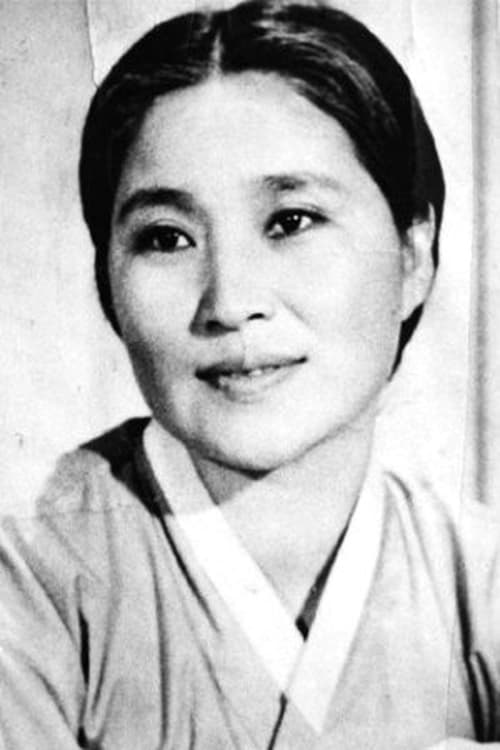
Keeping the Vision Alive is a documentary film containing the voices and images of Korean women filmmakers-both senior filmmakers and also the peers of director Yim. The film is Yim’s homage to both contemporary Korean women filmmakers, written by a filmmaker of the same age, and also to the history of women filmmakers in Korea. Yim does not reveal her own voice or opinion and lets the voices and images of the filmmakers speak for themselves through a non-interventionist camera. From the pioneers, Park Nam-ok, and Hwang Hye-mi, who directed First Experience in 70’s, to recent filmmakers, Byun Young-joo and Jang Hee-sun, the film traces their experiences, troubles, concerns and thoughts as women and women filmmakers. Keeping the Vision Alive calmly and enthusiastically encourages and celebrates the struggles, the resistance and the survival of women filmmakers in a conservative Korean film industry and a male-dominated and sexist social system. (Kwon Eun-sun)

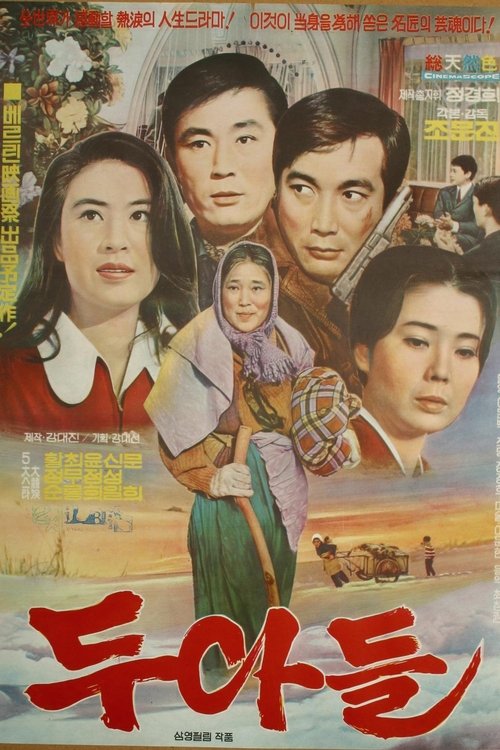
Forced to leave their home because of the construction of a new dam which will flood their village, the eldest son in the family prepares land and money to construct a new house in Seoul for his family. However, he shirks his duty shortly after and leaves overseeing the construction of the house to his younger brother while he goes to live seperately.

No plot available for this movie.

An attractive young woman has been called on to help rid a haunted family of its demons - the male heirs all die young, and one is now in a coma - she has to clear the environment where several exorcists have failed before her.
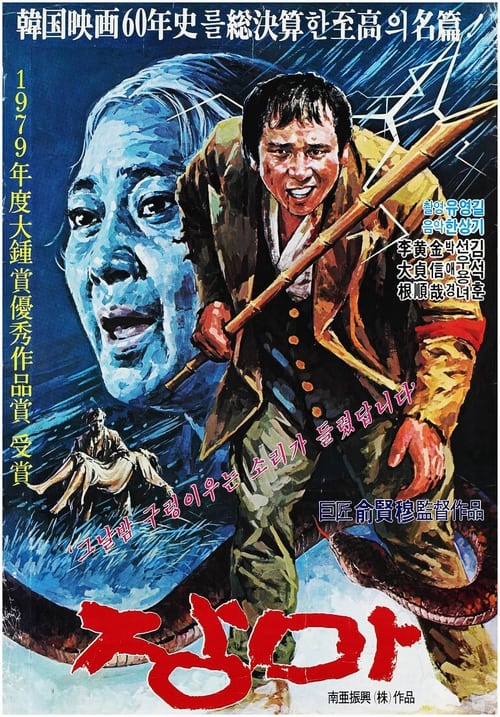
During the Korean War in early 1950s, mother’s family comes and stays at Dong-man’s house. His uncle on father’s side is a North Korean partisan and the uncle on mother’s side dies while fighting as South Korean soldier. For this reason, his grandmothers don’t get alone. Dong-man tells a stranger that his partisan uncle is home and his father gets arrested.

No plot available for this movie.
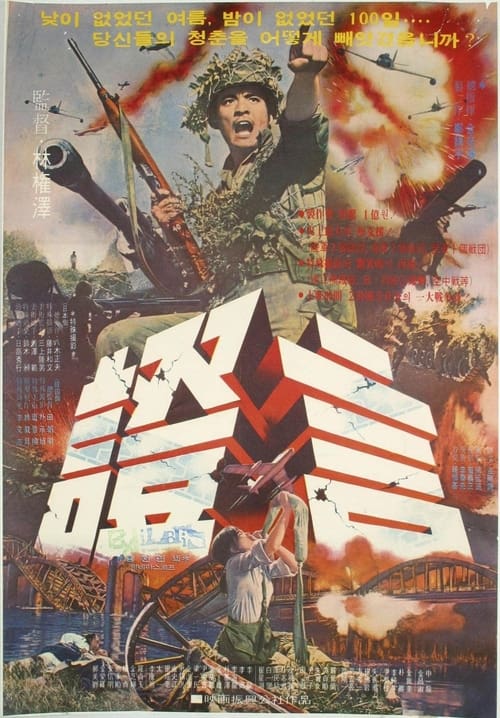
June 25, 1950. When second lieutenant Jang has a date with his girl friend during weekend, numerous North Korean jet fighters make sudden air raids to the skies of Seoul. It is the beginning of Korean War. In spite of Korean Army's brave defense, North Korean army reddens South Korea with their state-of-the-art weapons. This movie describes the progress of war from the invasion in June 25, 1950 to the reclamation of territory on the basis of Sun-A's personal experience. Also this film reminds hard lessons from tragic history.
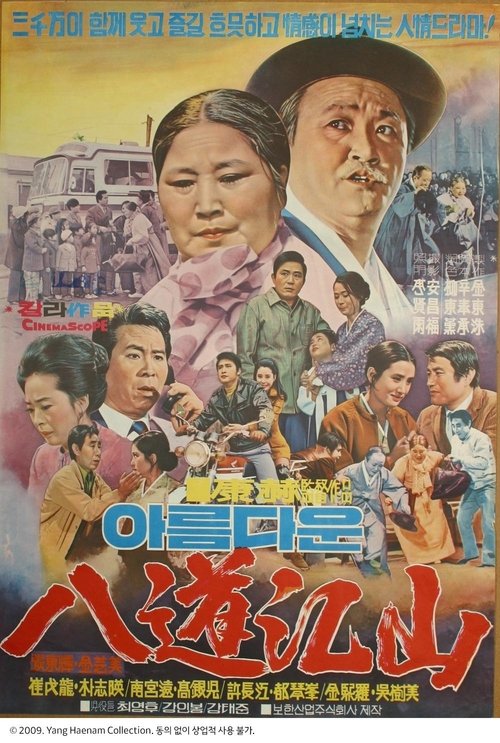
Kim Hee-Gap and his wife Hwang come to visit their five sons living in Seoul. They move from one son's to other son's, not being able to take nagging of some daughter-in-law or the ill-nature of some grandchildren. One day after they experienced lots of incidents and troubles, their five sons and daughters-in-law, and grandchildren gather to enjoy the family party. The old couple leave Seoul, getting pleased with their sons' love for them.

In 1900, there lived two widows in a village : Mrs. Seo and her daughter-in-law Ok-Nyeo. Water carriers, new job in those days, decide not to deliver a bucket of water to Mrs. Seo because they don't like her. Ok-Nyeo is saved by Hyo-jin when she is almost raped by water carriers at night to get some water in secret. Sun they fall in love each other and Mrs. Seo gets angry with her daughter-in-law. But she sends them away to live together after she realizes their love is true. Then she devises a plot that her daughter-in-law committed suicide for honor of family and even held a funeral. Therefore two gates of woman are built in the widow's house.
Recently released from prison, Cheol-ho is expelled from his brother's house after he beats his sister-in-law. His brother decides that the family would be better off if Cheol-ho were dead and tries to arrange it.
Subscribe for exclusive insights on movies, TV shows, and games! Get top picks, fascinating facts, in-depth analysis, and more delivered straight to your inbox.