
Action
Adventure
Animation
Comedy
Crime
Documentary
Drama
Family
Fantasy
History
Horror
Music
Mystery
Romance
Science Fiction
Thriller
War
Western
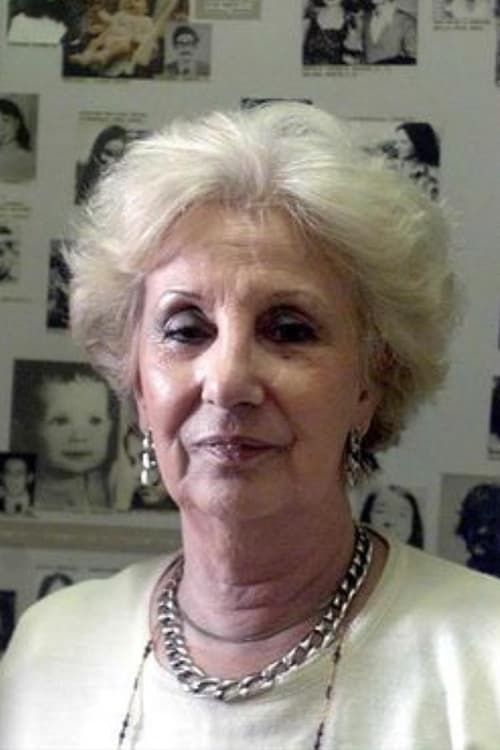
Enriqueta Estela Barnes de Carlotto (Buenos Aires, born 22 October 1930) is an Argentine human rights activist and president of the association of Grandmothers of the Plaza de Mayo. One of her daughters, Laura Estela Carlotto, was kidnapped and missing while pregnant in Buenos Aires, in late 1977. Through stories, she could ascertain that her daughter had given birth to a boy, and that her grandso...
Explore all movies appearances

"Traslados" is a compelling documentary that investigates the notorious "Death Flights" conducted during Argentina's last civic-military dictatorship (1976-1983). Through powerful testimonies from former detainees, victims' families, and experts, along with archival footage, animations, and emotional recreations, the film pieces together the intricate puzzle of evidence that confirms the regime's brutal methods of murder and forced disappearance. Key moments featured include the discovery of the body of French nun Leonnie Duquet, the infiltration of military officer Alfredo Astiz into the Madres de Plaza de Mayo group, and an interview with Nobel Peace Prize laureate Adolfo Pérez Esquivel. The documentary also highlights the significant event of a plane used in the "Death Flights" returning to Argentina in 2023, serving as a poignant reminder of this dark chapter in history.
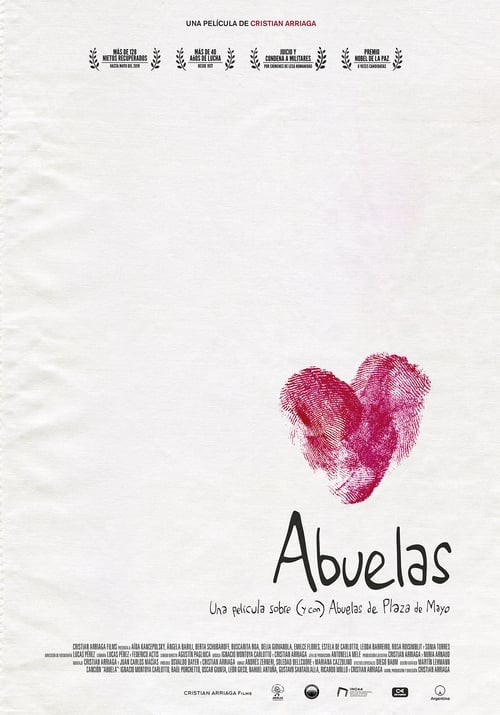
A film that tells the life story of women searching for their kidnapped and disappeared grandchildren, whom they never met and for whom they have been searching and searching for for more than 40 years. In the film, the Grandmothers of Plaza de Mayo tell their story in first-person detail, emphasizing the fact that they were simple women whose lives changed forever and who experienced something exceptional (exceptionally horrific). Together, for more than 40 years, they have worked every day to recover their grandchildren and return their true identities.
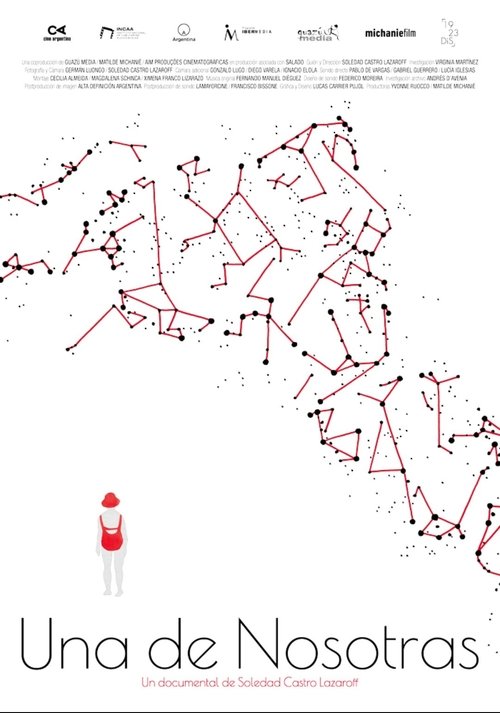
For more than forty years, Belela Herrera has dedicated her life to saving that of others. The politically persecuted, those displaced by civil wars, and the world's refugees are her concern and vocation. Her story is also that of a woman who defined herself and twisted the destiny reserved for girls of her social class: marrying to a man from high society, having a large family and a comfortable and elegant existence . And it is also the story of a female legacy that is part and consequence of the invisible resistance of thousands of women.

Joan Manuel Serrat fled to Mexico when Franco ordered his persecution. In Argentina and Chile, his commitment against military regimes is still remembered. Joaquín Sabina arrived later. His poetry bewitched the audience. In Argentina, he is a tango singer as much as a rocker; in Mexico, the mariachis sing their songs. The former is a symbol, a venerated figure; the latter is a “cuate,” as they say in Mexico, a buddy with whom you can always count.
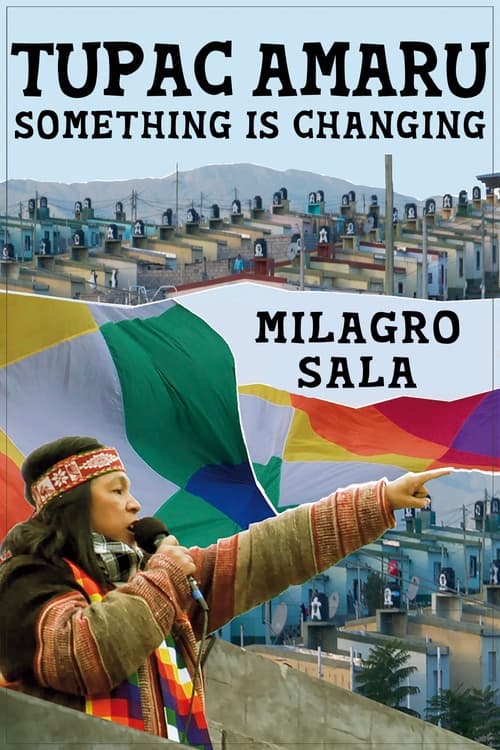
No plot available for this movie.
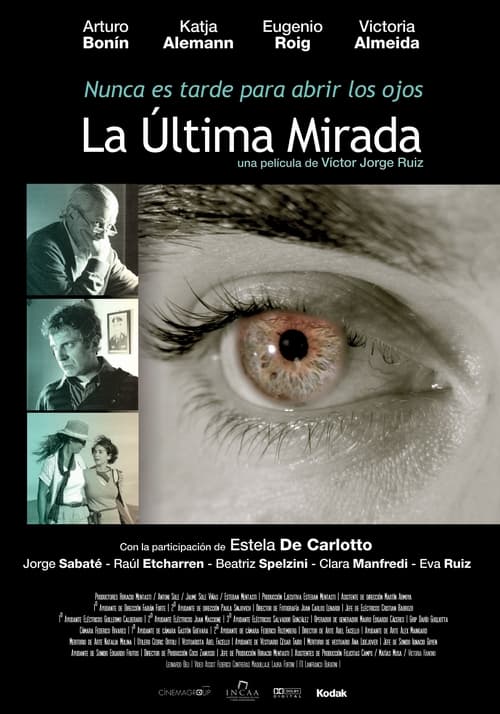
An Argentinean born Spaniard, writer and journalist, whose parents were tortured and murdered during the Military Coup, returns to finish a novel about them, with the ambiguous determination to get even with their murderer, a former Sheriff who lives nearby in Patagonia. He and the Sheriff's daughter fall in love. He takes DNA samples of the Girl's family and realizes the truth; she is not their daughter, which means she might have been abducted from her murdered parents. He indirectly feeds her mistrust. The girl travels to Buenos Aires to investigate. She finds out the truth and faces her father, who avows never agreeing on saving those children. On her question, "Who am I?" he says she is a mistake and that she is alive thanks to his decision. It is her who ultimately solves the Writer's conflict in a tragical showdown with the Sheriff.
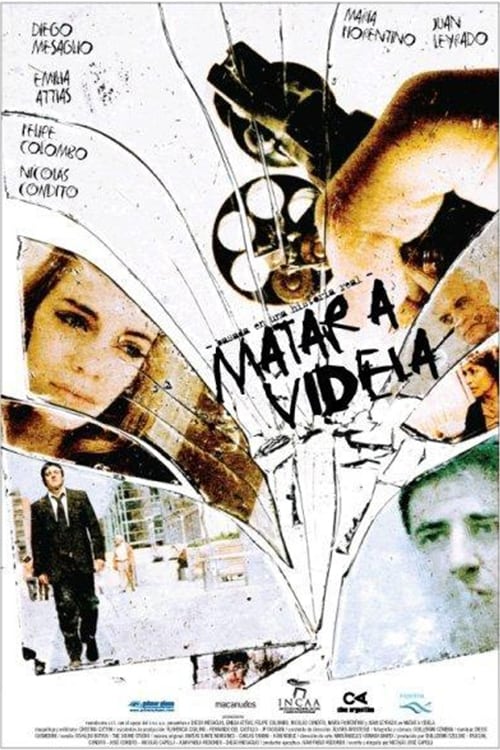
Julian plans to leave a legacy to society. The murder of genocidal dictator Jorge Rafael Videla. Result of a violent society, making a decision violent, Julian run huge risks, but the key is to not become the same monster that wants to kill.
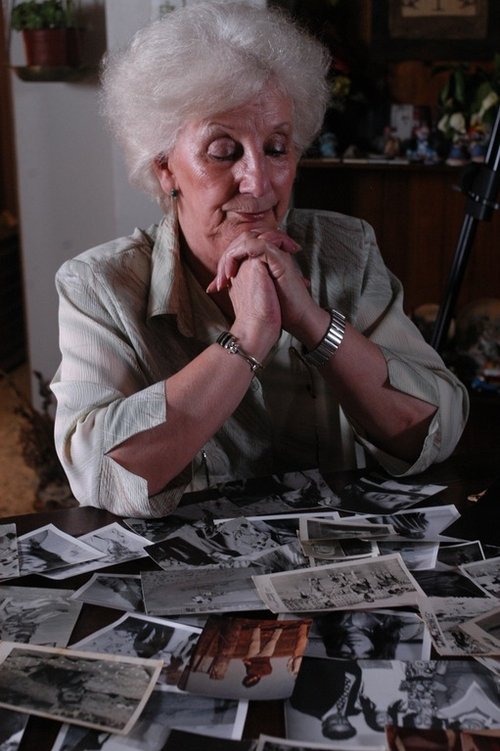
Documentary about Estela de Carlotto, President of the Grandmothers of Plaza de Mayo, who in her home, amidst a few photos and many memories, reconstructs her family's history for her grandson, Guido. She speaks, looking into the camera and addressing her grandson directly. He has yet to recover his true identity and should have turned 33 this year. She tells him about his parents' lives and her own life, as if assuring him that even if he never sees it, he will have the chance to relive his story, just as she would have liked to tell it to him.
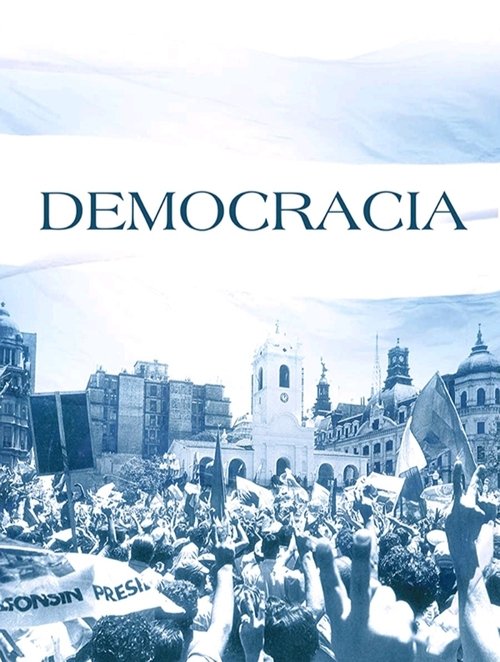
1983: After more than seven years of terror, the Argentineans recover the democracy. The reconstruction of a climate of time and an event that marked a point of break not only in the policy but in the culture and the arts of Argentina

"The Disappeared" relives the horrors of Argentina's Dirty War (1976-83) through the experience of Horacio Pietragalla, a young man raised by the maid of the officer who kidnapped him after the military brutally murdered his parents. The film follows Horacio as he reconstructs the cause for which his real parents gave their lives, and, through this search, reclaims his true identity. This personal journey internalizes the tragedy that ravaged the country for seven years and exposes polarized views on state-driven terrorism in groundbreaking interviews with top military officials, concentration camp victims, human rights activists, journalists who covered the events, and members of Horacio's surrogate and biological families.
Subscribe for exclusive insights on movies, TV shows, and games! Get top picks, fascinating facts, in-depth analysis, and more delivered straight to your inbox.