
Action
Adventure
Animation
Comedy
Crime
Documentary
Drama
Family
Fantasy
History
Horror
Music
Mystery
Romance
Science Fiction
Thriller
War
Western
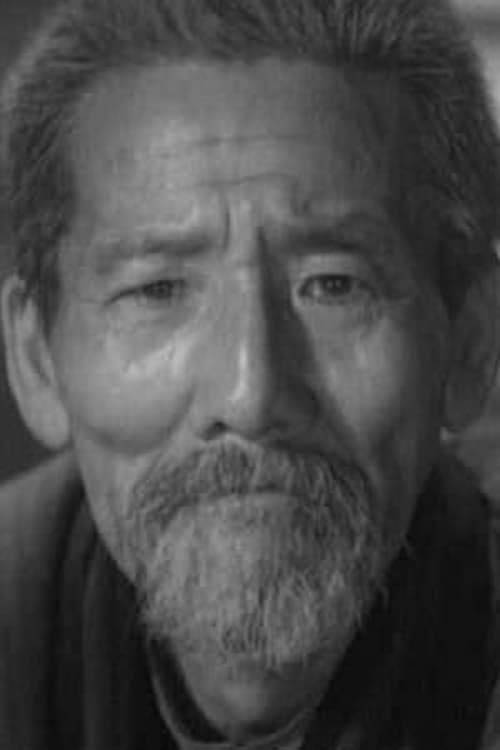
Kokuten Kōdō (高堂 国典 Kōdō Kokuten, 29 January 1887 – 22 January 1960) was a Japanese film actor. He appeared in more than eighty films from 1923 to 1959.
Explore all movies appearances
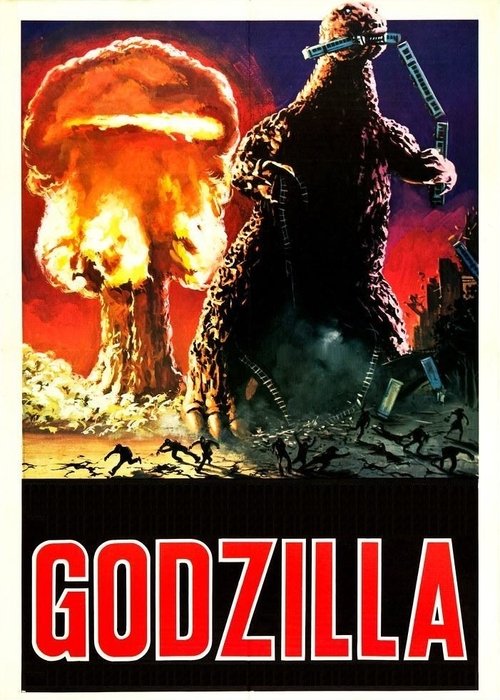
A re-edited Italian-language dubbed version of the original Godzilla, using as a basis the U.S. version, "Godzilla, King of the Monsters!" (1956), plus WWII newsreel footage and clips from other science fiction films. The re-edited film was then colorized via a process called "Spectrorama 70" consisting of applying various colored gels to the black and white footage. The film's opening and ending also features new music composed by musicians Fabio Frizzi, Franco Bixio, and Vince Tempera (under the pseudonym Magnetic System).
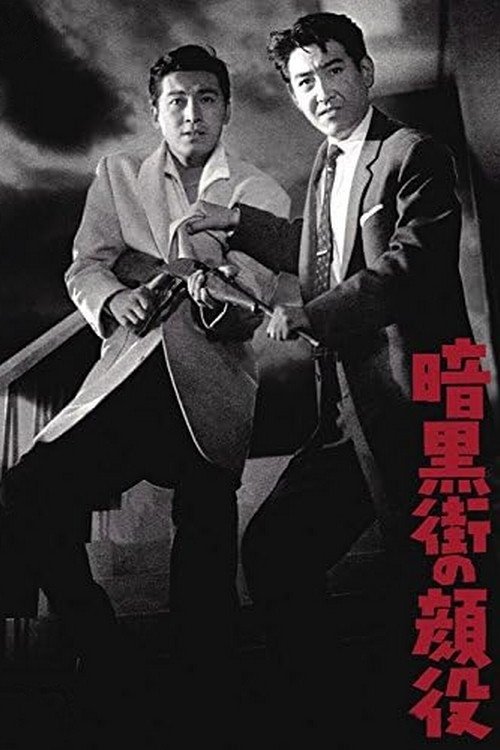
Ryuta and Mineo Komatsu are brothers, both yakuza (gangsters). Mineo, although complicit in crime, even murder, wants out of the gangster life, hoping to become a successful singer instead. Ryuta loves his brother, but Mineo's possible defection presents problems for the gang, and Ryuta realizes he must kill his brother if he wants to survive.
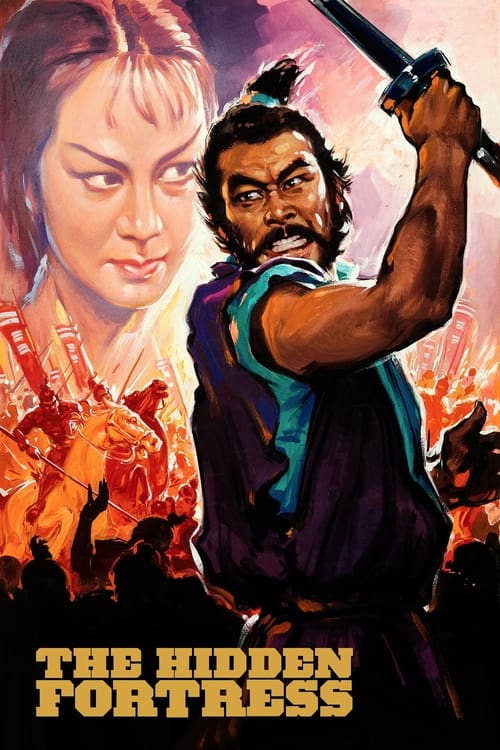
In feudal Japan, during a bloody war between clans, two cowardly and greedy peasants, soldiers of a defeated army, stumble upon a mysterious man who guides them to a fortress hidden in the mountains.
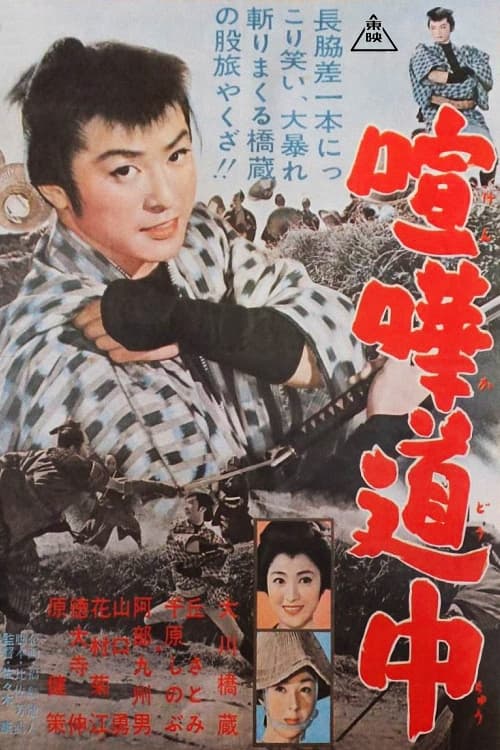
Hanjiro of Kusama searches for his little sister Oyuki, who went missing after being desecrated by Hikosaku Tokurai three years ago. The first film in a series about the adventures of the wandering yakuza Hanjiro from Kusama.
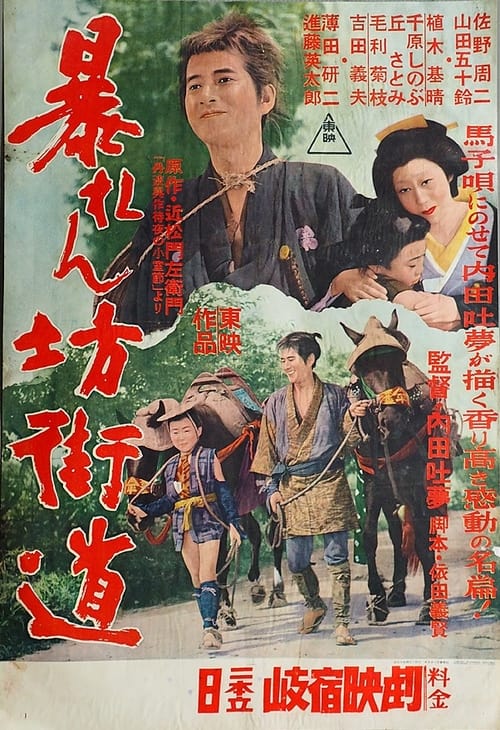
A humble page fathers a child by the daughter of a clan official and is banished. Years later, the child, now a stable boy, is reunited with his father, but feudal codes threaten their happiness. Uchida’s poignant masterpiece condemns the inflexible class system and launches an indictment of values that favor symbolic objects over human life. The film’s focus is on character rather than swordplay, and charged performances - especially child actor Motoharu Ueki - add to the emotional power.
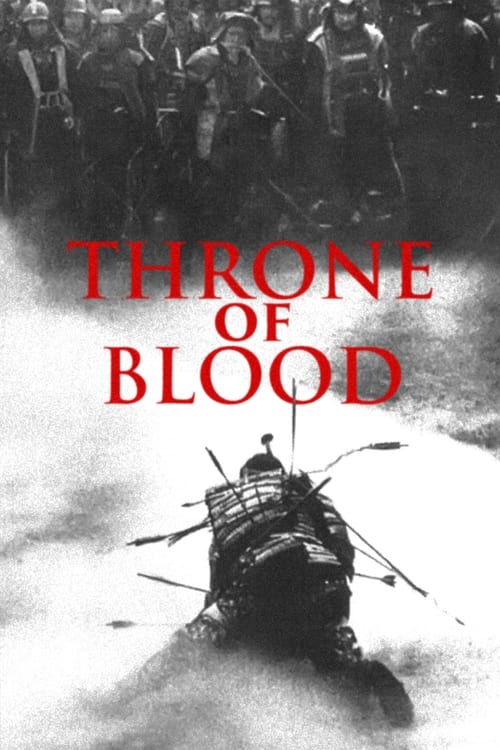
Returning to their lord's castle, samurai warriors Washizu and Miki are waylaid by a spirit who predicts their futures. When the first part of the spirit's prophecy comes true, Washizu's scheming wife, Asaji, presses him to speed up the rest of the spirit's prophecy by murdering his lord and usurping his place. Director Akira Kurosawa's resetting of William Shakespeare's "Macbeth" in feudal Japan is one of his most acclaimed films.

An American scientist tells two colleagues about the finding of an abominable snowman living in the Japanese alps, where it is worshipped by a remote tribe as a god, and how it was discovered by modern man after it raided a skiers shelter following an avalanche, killing all inside. This is an adaptation of the Japanese film "Jūjin Yuki Otoko" (1955) with added American-made footage, narration, and music.
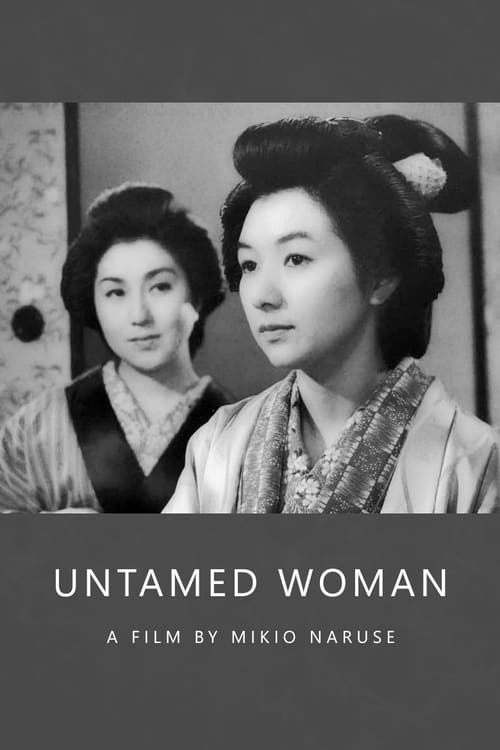
A woman marries, gives birth to a stillborn child, and divorces, falls in love with a hotel-keeper, only to find herself subordinated to his drive for success, takes up with a tailor who cannot console himself with her strong personality.
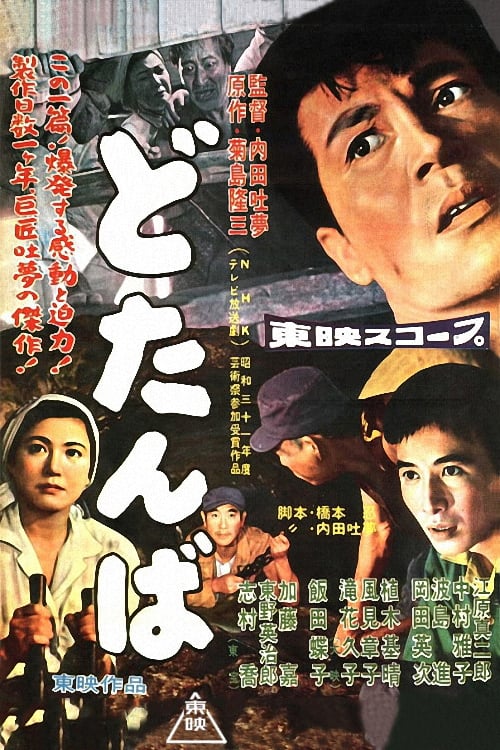
Based on a 1956 television feature on Japan’s national network, NHK, this is one of Uchida’s rarest films. A socially conscious drama with a contemporary backdrop, Dotanba focuses on the attempts to rescue a group of trapped miners. The title is a figure of speech — (essentially “last minute” or “eleventh hour”) — that refers to a situation of peril. The film boasts a script co-written by Uchida and Akira Kurosawa’s frequent screenwriter, Shinobu Hashimoto, and stars Kurosawa’s frequent star Takashi Shimura.
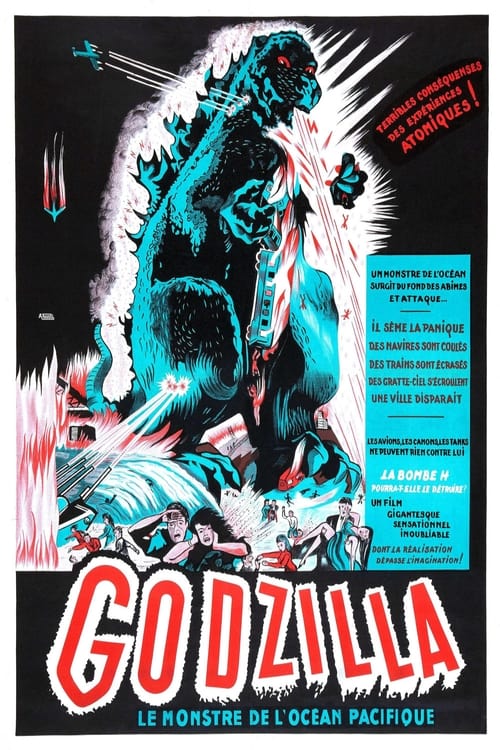
Obscure French version of the original Godzilla. The film combines elements of the original Toho version and the American King of the Monsters! in a unique assemblage exclusive to the Francophone market. Released by Les Films du Verseau.
Subscribe for exclusive insights on movies, TV shows, and games! Get top picks, fascinating facts, in-depth analysis, and more delivered straight to your inbox.