Action
Adventure
Animation
Comedy
Crime
Documentary
Drama
Family
Fantasy
History
Horror
Music
Mystery
Romance
Science Fiction
Thriller
War
Western
Explore all movies appearances
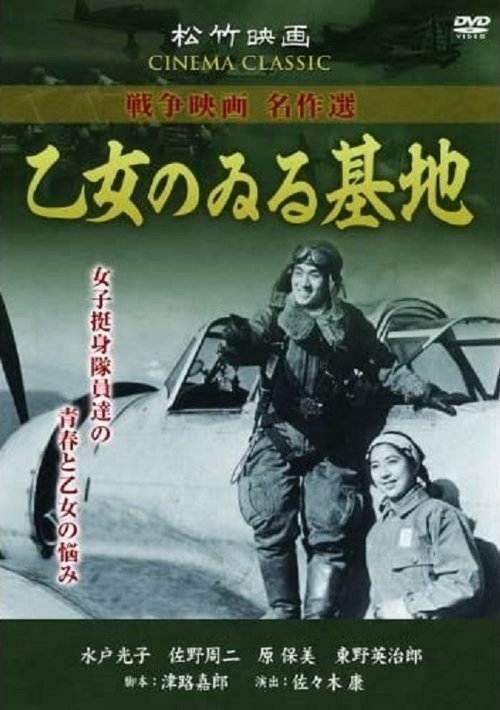
Japanese war movie.
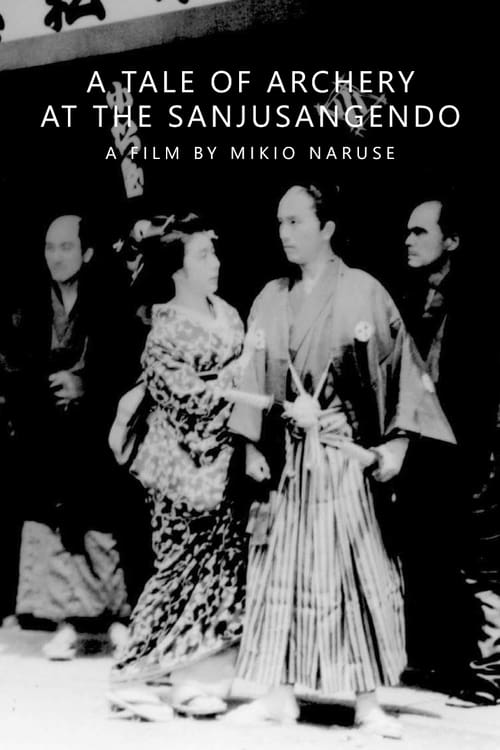
In A Tale of Archery, young, timid bowmaster Kazuma (Akitake Kôno) seeks to beat the archery record set by Hoshino Kanzaemon, a mysterious figure who, it is rumored, drove the previous champion (Kazuma’s father) to suicide. Possessed of much raw talent, Kazuma is also very much a coward, holing himself up in an inn run by the kindly Okinu (Kinuyo Tanaka) and generally avoiding confrontation of any sort. Despite his clandestine manner, enough of the locals know of Kazuma’s purpose and an attempt is made on his life. He is saved by Karatsu Kanbei (Kazuo Hasegawa), a samurai who offers to help Kazuma hone his archery skills, though it soon becomes clear that this apparently selfless stranger has several potentially shady ulterior motives.
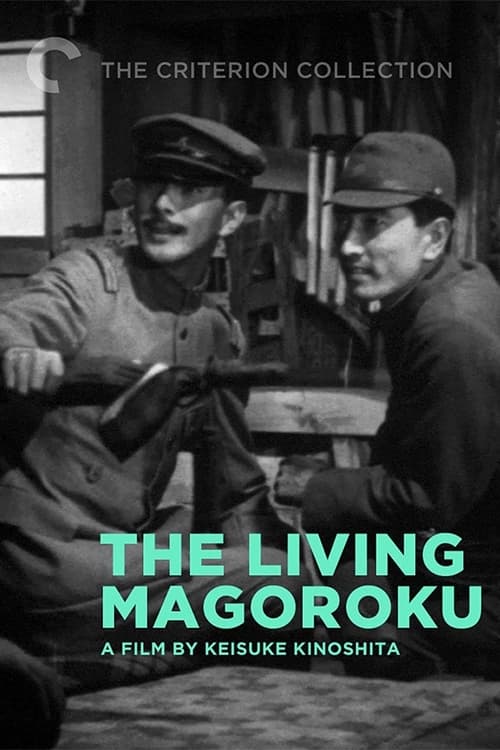
A wealthy family will not allow the military to grow crops on their fields due to their superstitious beliefs about their son's illness.
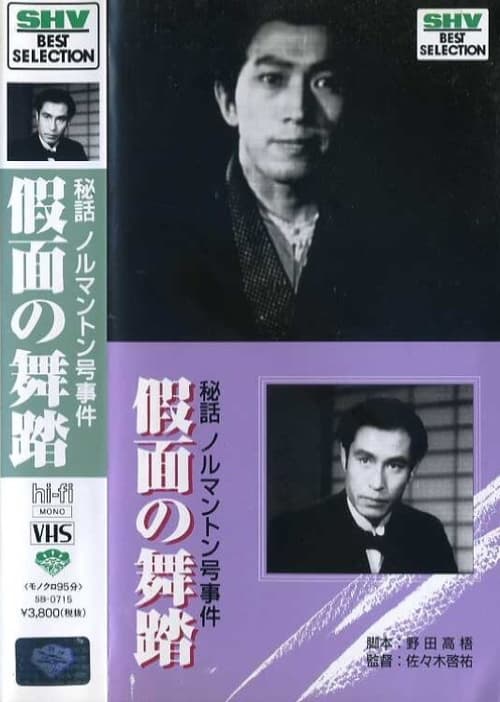
Japanese propaganda film about the Normanton Incident.
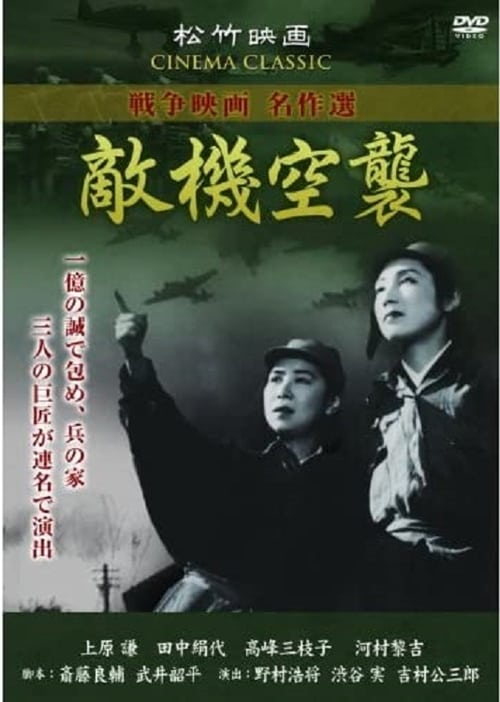
Japanese war movie.
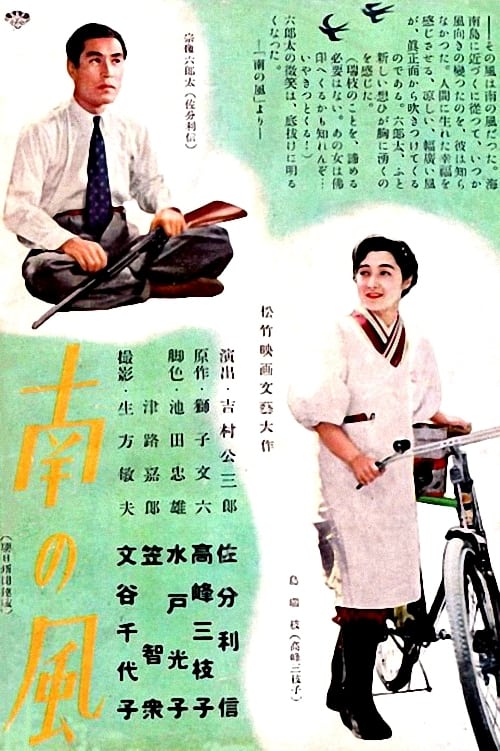
Amusing masterpiece from director Yoshimura Kazusabu divided in two parts taken from the newspaper serial novel of Shishiko Shishi. Like in "Warm Current", Shin Saburi, Mieko Takamine and Mitsuko Mito are appearing, but this is a fresh comedy very unusual for wartime.
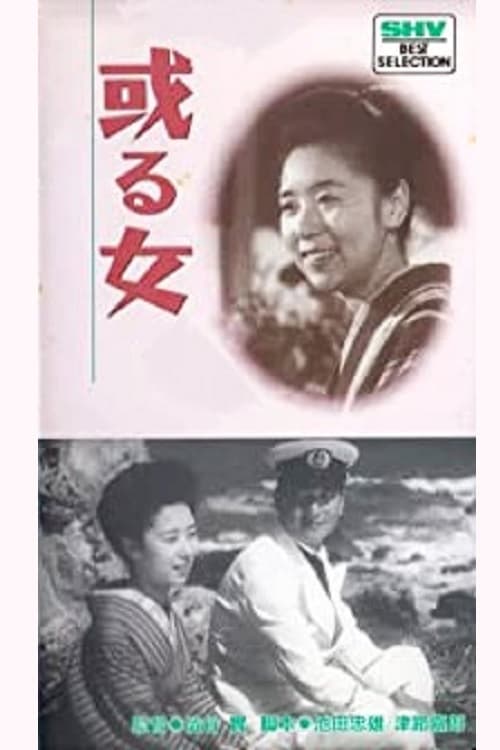
Pretty Oshige is deceived by her first love. After this, she lives a hard lifestyle, working at a number of jobs. Her only pleasure is her nephew, who eventually becomes a merchant marine. When Oshige meets her old love ten years later, she is able to forgive him and even thank him for the path her life has taken.

In this comic sequel to Yoshimura Kozaburo's original, Minami no Kaze, ex-baron (Saburi Shin) is in Singapore where he meets an old friend who proposes a scam to make some quick cash. It involved inventing the story that Saigo Takamori didn't actually die in the Satsuma Rebellion but escaped to Southeast Asia to start a new religion and in the process fathered a son who is now the founder. But when they bring the supposed heir and his aide to Japan, chaos ensues...
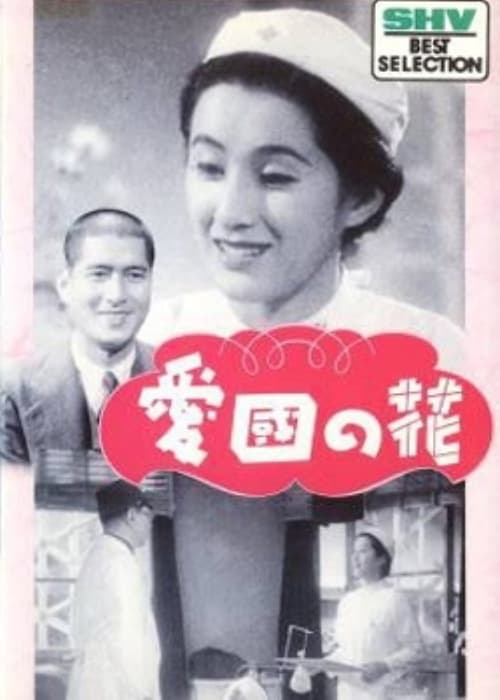
A nurse's tale of self-sacrifice during wartime. The title is borrowed from a patriotic song made popular by singer Hamako Watanabe during the Second Sino-Japanese War.
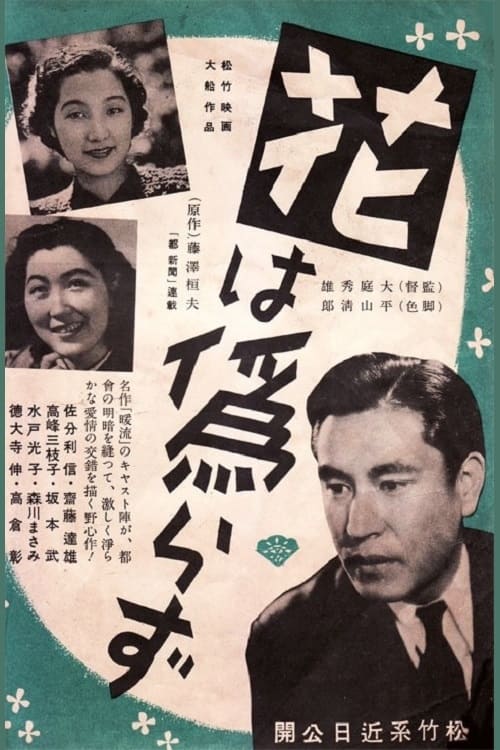
Hana wa itsuwarazu (1941) is the second directorial work by Shochiku's Oba Hideo. Oba had previously worked as an assistant director to Shimizu Hiroshi and penned films for Shimazu Yasujiro. In this early effort, he is not stylistically very far from either, but then again all Shochiku directors resemble each other to a point. The film is an everyday romance for younger audiences, full of clean, ideal human beings.
Subscribe for exclusive insights on movies, TV shows, and games! Get top picks, fascinating facts, in-depth analysis, and more delivered straight to your inbox.