
Action
Adventure
Animation
Comedy
Crime
Documentary
Drama
Family
Fantasy
History
Horror
Music
Mystery
Romance
Science Fiction
Thriller
War
Western
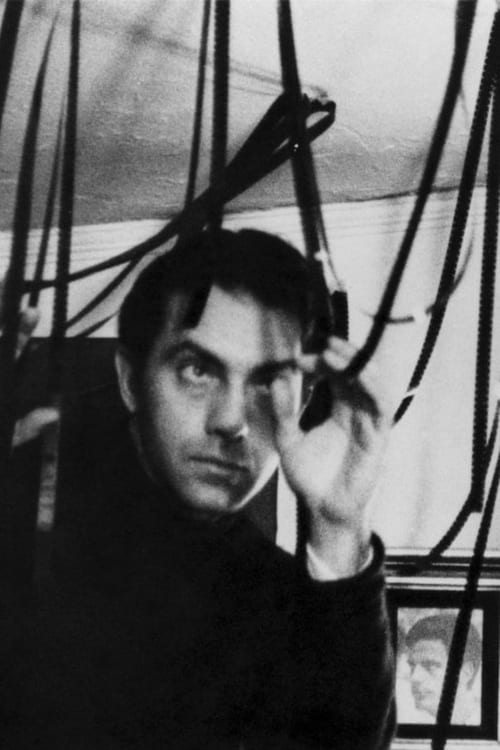
Gregory J. Markopoulos (March 12, 1928 - November 12, 1992) was an American experimental filmmaker. Born in Toledo, Ohio to Greek immigrant parents, Markopoulos began making 8 mm films at an early age. He attended USC Film School in the late 1940s, and went on to become a co-founder — with Jonas Mekas, Shirley Clarke, Stan Brakhage and others — of the New American Cinema movement. He was as well a...
Explore all movies appearances
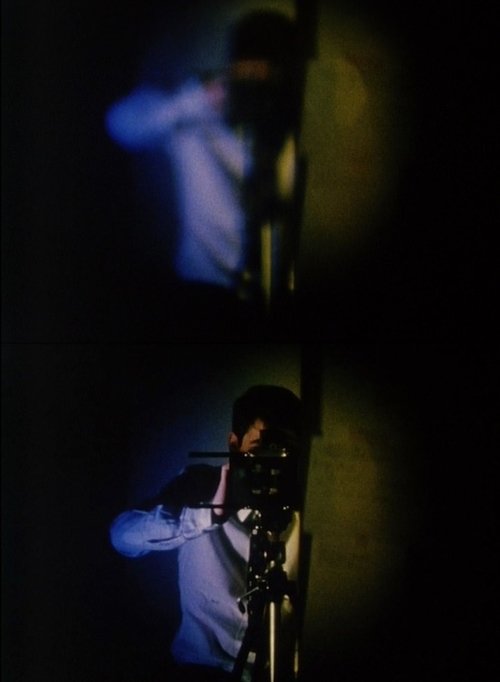
Filmed when Beavers was 18–19, this self-portrait depicts him and Gregory J. Markopoulos in their Swiss apartment. A diary of domestic life, it transforms everyday objects and intimate details into a charged meditation on love, memory, and desire.

Filmed in Rome in the 1980s, the work draws on Borromini’s Baroque architecture and Il Sassetta’s St. Martin and the Beggar. Beavers contrasts winter’s subdued light with the verdant growth of spring, constructing a precise montage in which image and sound form a poetic dialogue.

Distilled in 1996 from an earlier 50-minute trilogy, this 26-minute film was shot in Greece and Austria and structured around two recurring intertitles, “He said” and “he said.” Each introduces delicate studies of light and place—hotel interiors, cafés, hillsides, storefronts, and street life—framed in parallel variations. The title invokes Apollo as savior and healer.
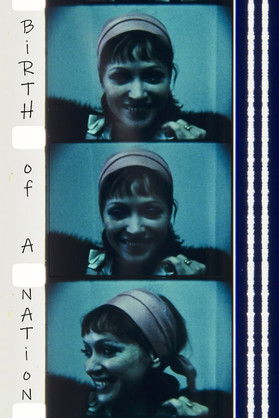
Jonas Mekas assembles 160 portraits, appearances, and fleeting sketches of underground and independent filmmakers captured between 1955 and 1996. Fast-paced and archival in spirit, the film celebrates the avant-garde as its own “nation of cinema,” a vital community existing outside the dominance of commercial film.

Short film shot in Rapallo, 1987.

Beavers intercuts scenes of traffic in Bern with details from the 15th-century altarpiece The Martyrdom of St. Hippolytus. In its revised form, the film gains a psychodramatic intensity, juxtaposing Markopoulos in shafts of light with a torn self-portrait and recurring shots of a shattered windowpane.
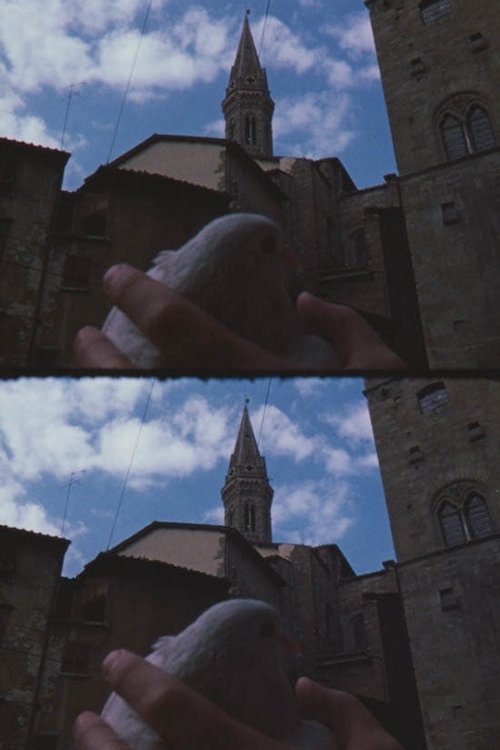
Shot in Florence, the film draws on Leonardo da Vinci’s notebooks and Paul Valéry’s essay on da Vinci’s creative process to explore parallels between Renaissance space and the moving image. Beavers employs rapid pans and tilts along the city’s facades, interspersed with glimpses of his own face, linking camera movement to the filmmaker’s investigative gaze. The work marks a turning point in his practice, foregrounding presence and perception as central to his method. (Note: The film was re-edited and re-released in 1999.)
Includes 'portraits' of Marianne Faithfull, Thelonious Monk and 28 others, some known, some less so.

Dedicated to Dieter Meier. voice-over by Gregory Markopoulos, reading an excerpt in English translation of Paul Valéry’s L’Homme et la nuit (Man and the Night).
Also known as Walden, Jonas Mekas’s first diary film is a six-reel chronicle of his life in 1960s New York, interweaving moments with family, friends, lovers, and artistic idols. Blending everyday encounters with portraits of the avant-garde art scene, it forms an epic, personal meditation on community, creativity, and the passage of time.
Subscribe for exclusive insights on movies, TV shows, and games! Get top picks, fascinating facts, in-depth analysis, and more delivered straight to your inbox.