
Action
Adventure
Animation
Comedy
Crime
Documentary
Drama
Family
Fantasy
History
Horror
Music
Mystery
Romance
Science Fiction
Thriller
War
Western
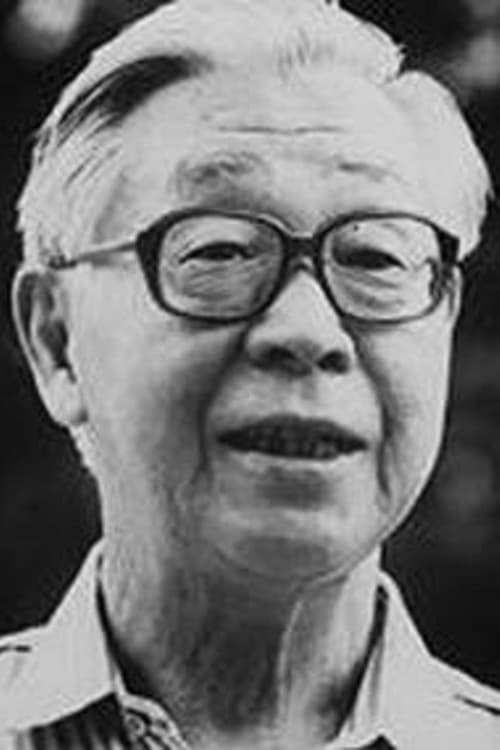
Tatsuo Matsumura (松村 達雄 Matsumura Tatsuo, 18 December 1914 – 18 June 2005) was a Japanese actor. He appeared in more than seventy films from 1960 to 2004 and performed in several editions of the film series Otoko wa Tsurai yo.
Explore all movies appearances
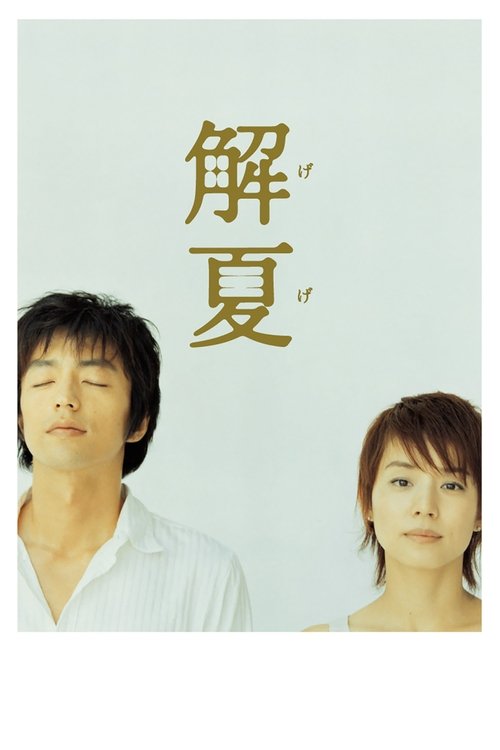
Takayuki (Takao Osawa) is an elementary school teacher in Tokyo. He is seized with Behçet's syndrome, and will gradually lose his sight. He resigns from his job and leaves his girlfriend, Yoko (Yuriko Ishida) to return to his hometown, Nagasaki, where his mother lives. Takayuki spends his days strolling around Nagasaki, to imprint familiar scenes on his memory. Yoko visits him and insists on staying. Takayuki has major concerns for her future, and his own life. He drives her away, for her own good. After days of affliction, the two reunite. The story leads to an emotive conclusion, the end of his spiritual journey.
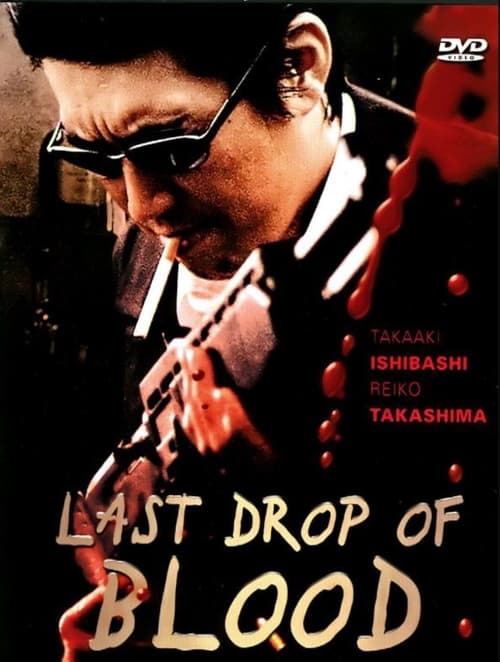
After serving a jail sentence, a former leading yakuza (Takaaki Ishibashi) has gone straight. He has married and is now holding a regular job. However, he is continually harrassed by a police inspector who cannot forgive his past. Meanwhile a major gang war erupts. With his former gang in danger of being exterminated, will his loyalties draw him back in?
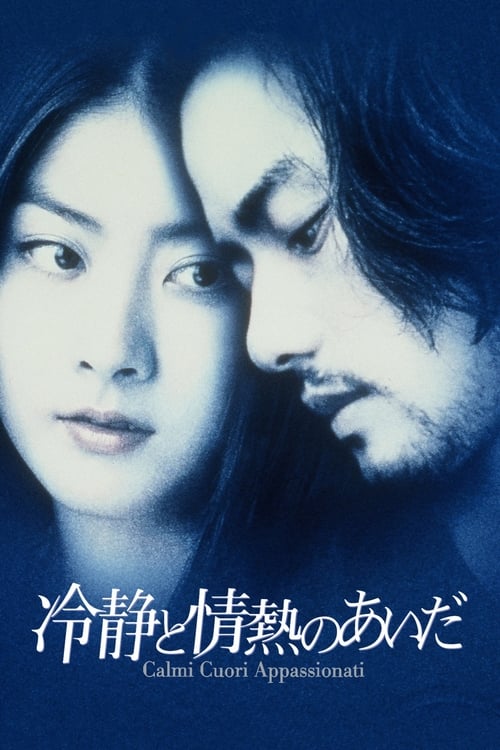
An appassionato art student and a dispassionate college girl make a vow, saying they would meet each other again in the Florence Cathedral after 10 years.
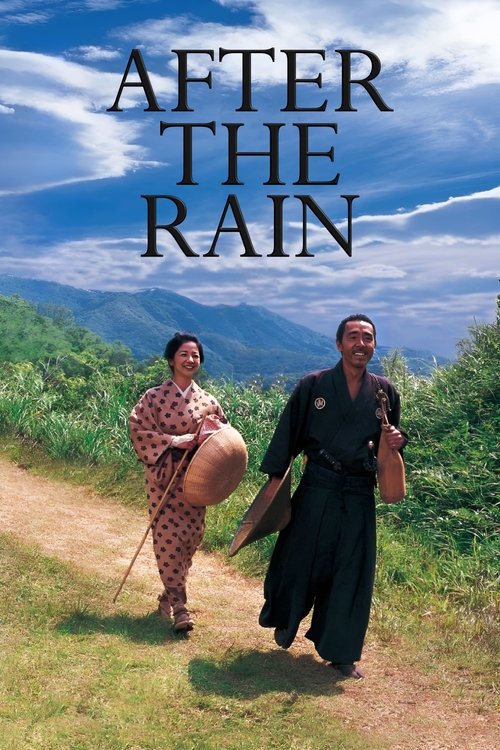
A group of travelers is stranded in a small country inn when the river floods during heavy rains. As the bad weather continues, tensions rise amongst the trapped travelers.
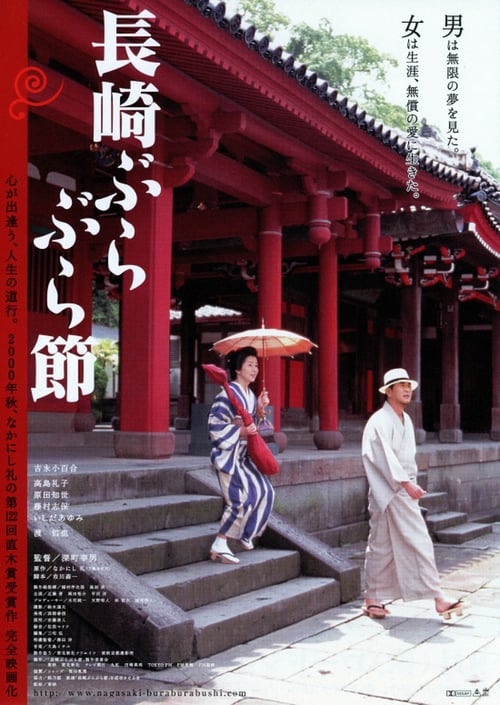
Screen icon Sayuri Yoshinaga stars in this historical melodrama about geishas in the southern city of Nagasaki set during the 1920s. Though she was sold to a geisha house at a young age, Aihara (Yoshinaga) has since become a master samisen player and woman of great elegance. Though not especially rich, she doles out money to street kids, in particular, a pretty young flower vendor named Oyuki, who becomes Aihara's godchild of sorts. Yet when a geisha (Reiko Takashima) from a rival red-light district insults Aihara and her brethren, she fights back. Soon an all-out geisha war looms. Dapper businessman and amateur scholar Tojiro Koga (Tetsuya Watari) appears on the scene and defuses tempers -- suggesting that difference be settled through a competition of artistic abilities. Smitten with her talent and mature beauty, Koga invites Aihara to record Nagasaki folk songs before they disappear forever
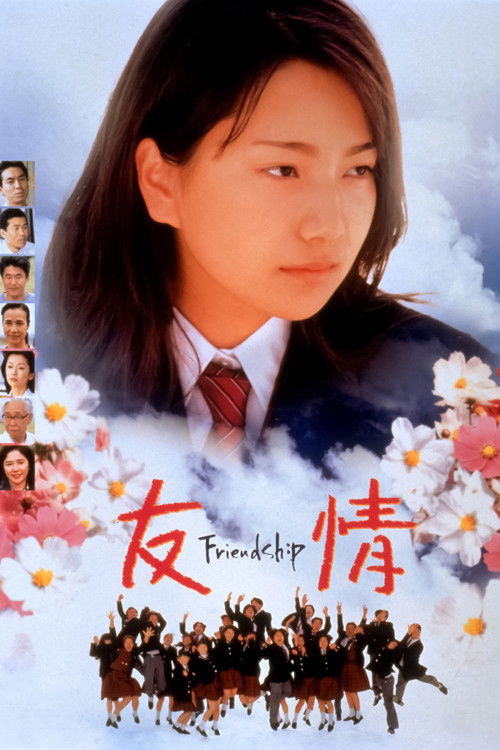
Fourteen-year old student Ayumi has leukemia and starts losing hair. She becomes depressed but receives overwhelming support from her classmates when they all shave their heads for her.
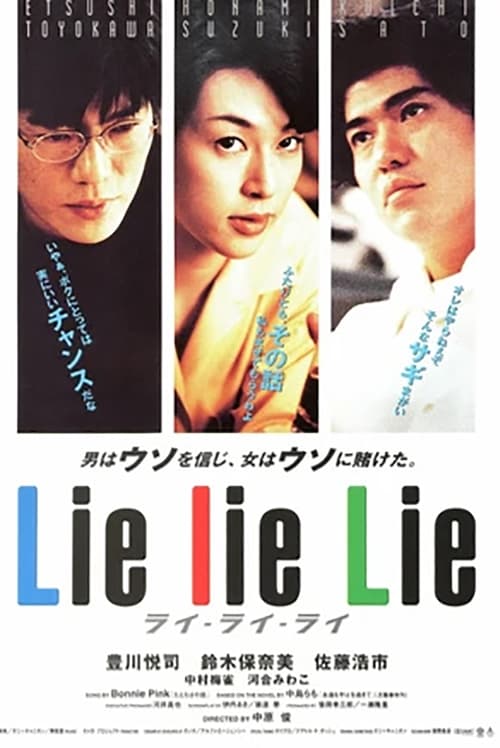
Hatano is living as an insomniac freelance typesetter alone in his bayside apartment. One day, Aikawa, a high school classmate he hasn’t seen in over ten years, shows up on his doorstep bearing a bag of clams. Though he claims to be the director of a fast-growing trading company, Aikawa crashes on Hatano’s couch for days on end. When the sleeping pills he was offered produce a strange side effect, Hatano is slowly dragged into Aikawa’s con-artist lifestyle. Soon afterward, they cross paths with the representative of a big-name publishing company and Aikawa’s ultimate scam begins to unfold.
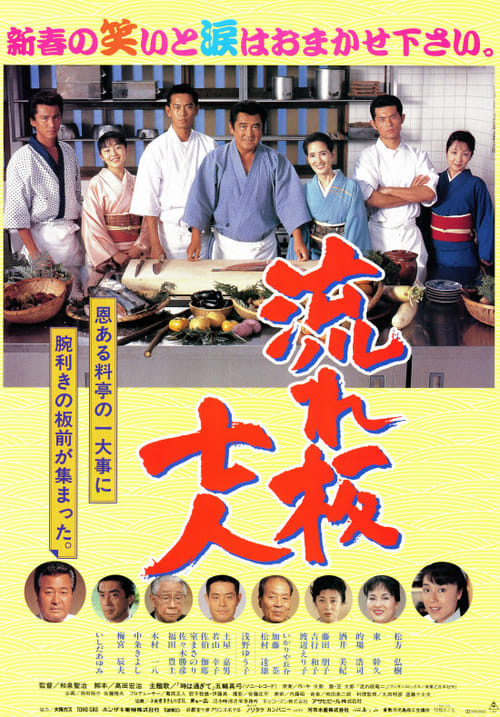
Traveling chef Ryuji is called back to Tokyo to help save his late teacher’s restaurant. With the help of his close friend Kinu, Ryuji must complete the training of Wataru — the apprentice chosen by his late teacher to become the next master chef — in the art of culinary excellence and running a successful business.
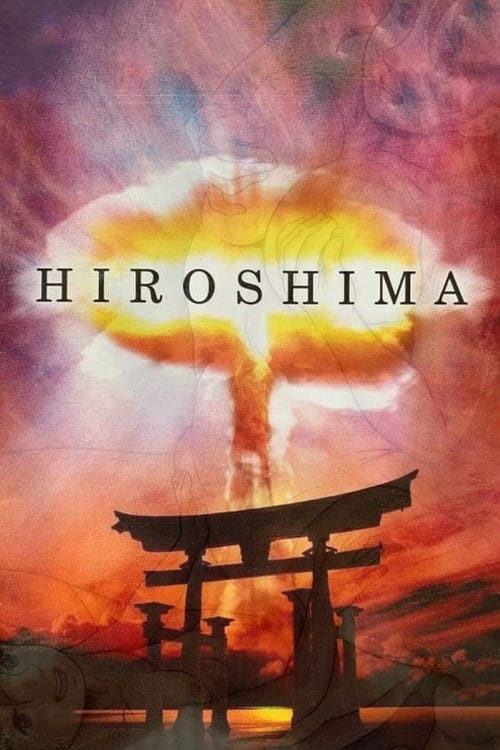
Hiroshima is a 1995 Japanese / Canadian film directed by Koreyoshi Kurahara and Roger Spottiswoode about the decision-making processes that led to the dropping of the atomic bombs by the United States on the Japanese cities of Hiroshima and Nagasaki toward the end of World War II. Except as actors, no Americans took part in the production. The three-hour film was made for television and evidently had no theatrical release, but is available on DVD for home viewing. A combination of dramatisation, historical footage, and eyewitness interviews, the film alternates between documentary footage and the dramatic recreations. Both the dramatisations and most of the original footage are presented as sepia-toned images, serving to blur the distinction between them. The languages are English and Japanese, with subtitles, and the actors are largely Canadian and Japanese.
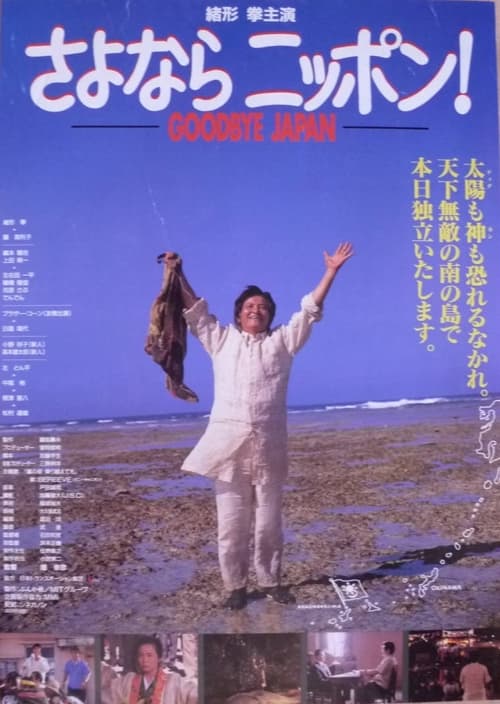
A political satire comedy depicting the turmoil caused when the residents of a small island in Okinawa, feeling neglected by the Japanese government's response, declare independence.
Subscribe for exclusive insights on movies, TV shows, and games! Get top picks, fascinating facts, in-depth analysis, and more delivered straight to your inbox.