
Action
Adventure
Animation
Comedy
Crime
Documentary
Drama
Family
Fantasy
History
Horror
Music
Mystery
Romance
Science Fiction
Thriller
War
Western
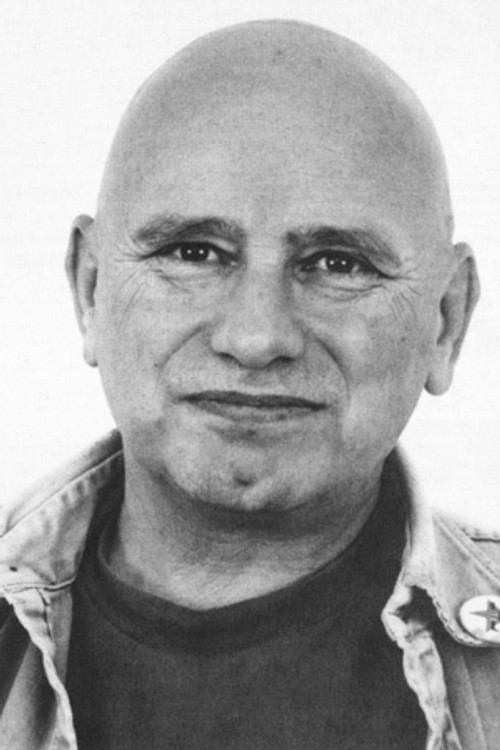
Kurt Kren was born in 1929 in Vienna, Austria from a Jewish father and a German mother. From 1939 till the end of World War II, Kren lived in Rotterdam, where he was sent to with one of the Children's Transports. In 1947 Kren returned to Vienna, and his father provided him a job at the National Bank. He began making films in 1957. 2/60 48 Köpfe Aus Dem Szondi -Test (1960) was his first serial fil...
Explore all movies appearances
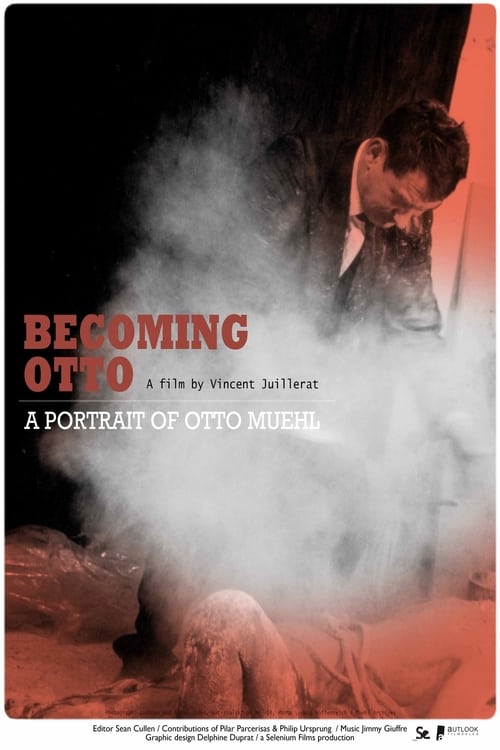
A portrait of the Austrian avant-garde artist Otto Mühl/Muehl (1925-2013), whose work combined sex, violence, gastronomy and bodily effluence with unbridled abandon.
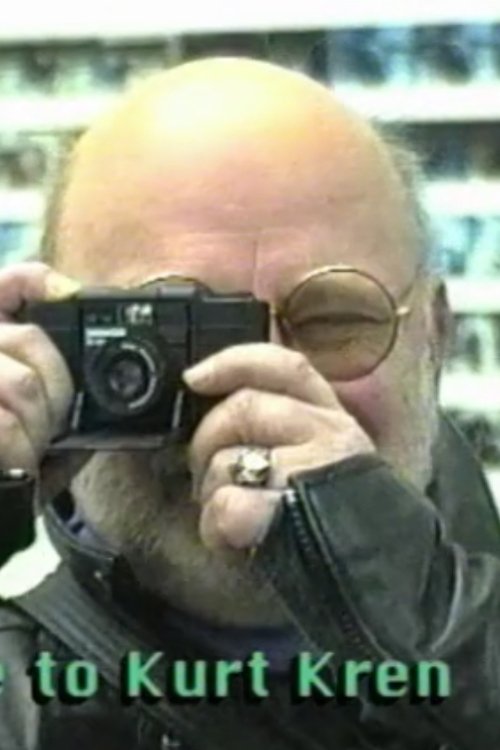
A homage to the Austrian experimental filmmaker Kurt Kren, his two films "1000 Years of Cinema" and "Snapspots" and his way of working; and that with a slight wink.
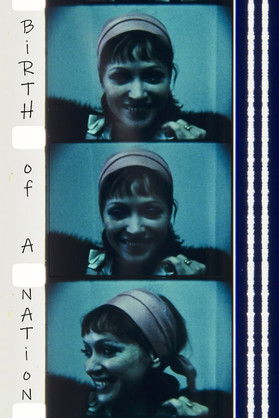
Jonas Mekas assembles 160 portraits, appearances, and fleeting sketches of underground and independent filmmakers captured between 1955 and 1996. Fast-paced and archival in spirit, the film celebrates the avant-garde as its own “nation of cinema,” a vital community existing outside the dominance of commercial film.
On the 28th of October 1884 Daniel Paul Schreber, candidate of the National Liberal Party in Chemnitz, suffered a heavy defeat at the elections of the German Reichstag. He was taken up in the mental clinic of the Leipzig University soon afterwards. To his rehabilition he wrote an extensive piece of work, "Denkwürdigkeiten eines Nervenkranken" (Memoirs of My Nervous Illness), which was published in 1903 and led to his temporary dismissal. Hereby Schreber became the most quoted psychiatric patient in scientific literature. The third part was realized by Peter Tscherkassy based on a concept by Ernst Schmidt Jr.
Documentary by Hans Scheugl on Kurt Kren.
Home movies shot on Super 8mm by W+B Hein over 10 years.
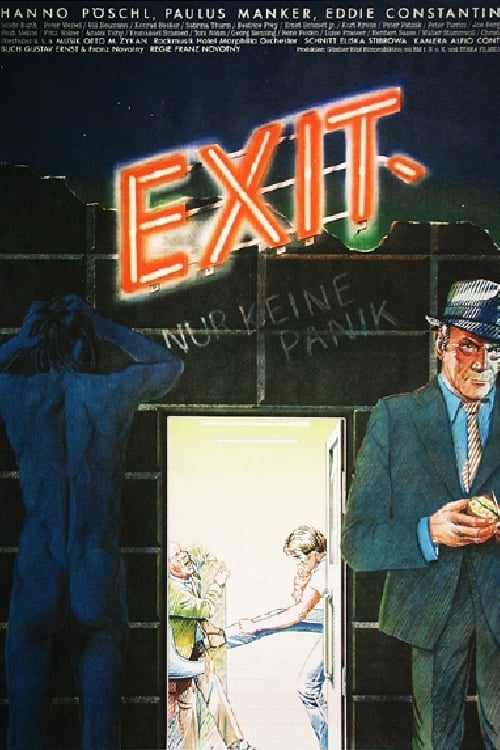
A guy having sex with a woman on a rooftop – just to get her coffee-machine.

Hans-Peter Hochenrath and Birgit Hein made a documentary film about me for the Saarland Network and wanted me to make a self-portrait. Instead of pointing the camera lens away from myself, I pointed it toward myself. I rewound the film over and over again so that multiple exposures were produced, while I was repeatedly fading in and out.
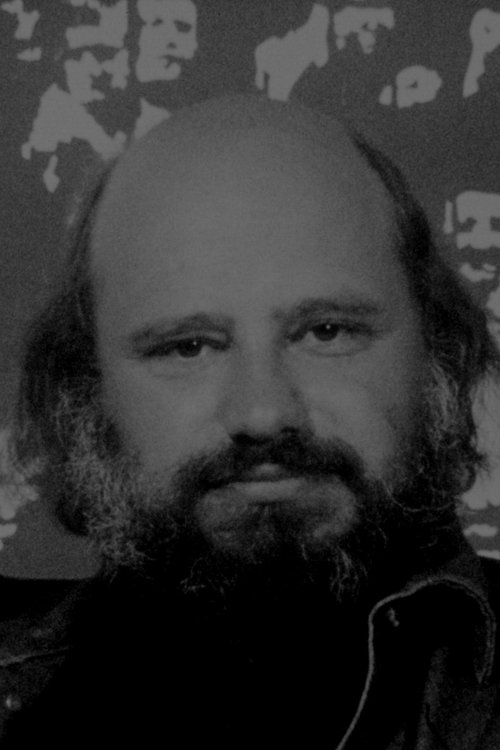
In a TV film about the film Casablanca, Kren is meant to read aloud three letters that Groucho Marx wrote to Warner Bros., because they wanted to take legal action against him over A Night in Casablanca. The recorded material could not be used on television and was meant to be destroyed. Kren found it and showed it uncut with its repetitions.
The Austrian avant-gardist Otto Muehl may well be the most scandalous filmmaker to ever work in cinema, and Sodoma stands as his most famous work. This creation takes the experiments a bit further down the road.
Subscribe for exclusive insights on movies, TV shows, and games! Get top picks, fascinating facts, in-depth analysis, and more delivered straight to your inbox.