Action
Adventure
Animation
Comedy
Crime
Documentary
Drama
Family
Fantasy
History
Horror
Music
Mystery
Romance
Science Fiction
Thriller
War
Western
Explore all movies appearances
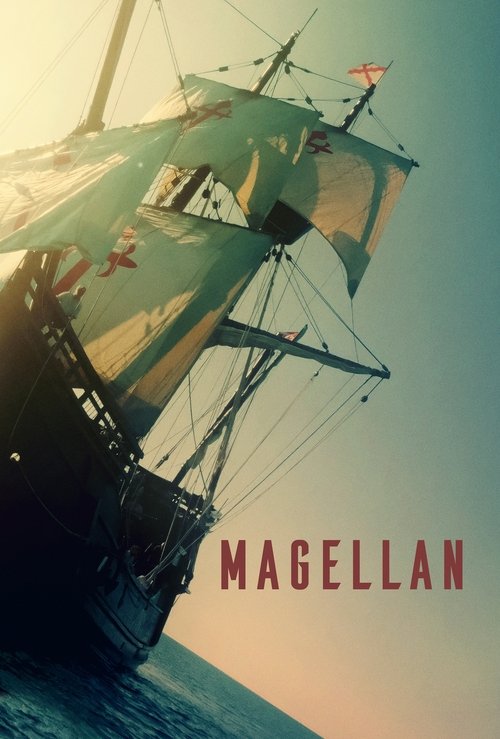
In the 16th century, Ferdinand Magellan, a young and ambitious Portuguese navigator, rebels against the power of the King of Portugal, who doesn’t support his dream of discovering the world, and persuades the Spanish monarchy to fund his bold expedition to the fabled lands of the East.

One sleepless night, Emília recalls a childhood trauma. Amidst the burning memories, she visits her parents, her sister, Manuel and all the places of her solitude.

When Edward’s search for his biological family leads him and his girlfriend Ryley to a magnificent villa high in the mountains of Northern Portugal, he is full of excitement at meeting his long-lost mother and twin brother. Finally, he will discover who he is and where he comes from. But nothing is as it seems, and Edward will soon learn that he is linked to them by a monstrous secret.

Inspired by the work of Bertolt Brecht and filmed in Porto's former industrial slaughterhouse, A Santa Joana dos Matadouros is a meta-cinematic essay about the labor market in times of economic crisis in Europe. The film explores the possibilities of cinema in its relationship with theater and brings together a cast of professional actors, amateurs, renowned artists from various disciplines, and a group of unemployed residents of Vale de Campanhã.
A writer immerses himself in his work La muerte del payaso and becomes a hostage of impossible dreams. Between crimes and hallucinations, between the gothic nature of night and the decadence of the sand, a hopeless story is told, based on the work of Raul Brandão.
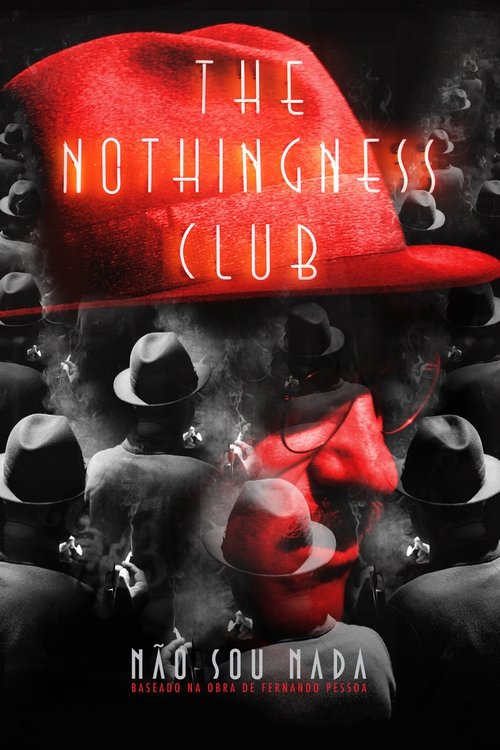
Pessoa famously published under many heteronyms: around 75 different names, each with fully fleshed-out backgrounds, styles, appearances and philosophies. Taking this a step further, Não Sou Nada gives flesh to these characters, all working together under Pessoa, enacted by Miguel Borges, at the publishing house The Nothingness Club.
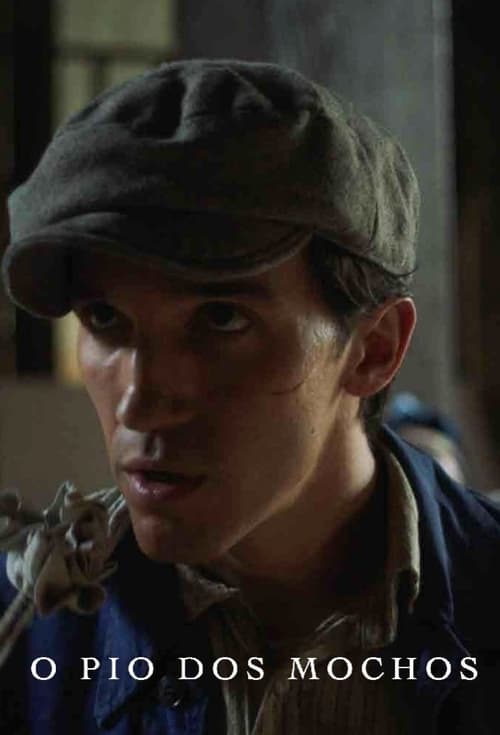
Miranda do Corvo, 1933. Tomé, a young worker haunted by guilt over his betrayal, is chosen by his colleagues for an important mission in the union's struggle against the Estado Novo. Faced with this moral challenge, he confronts not only the real dangers of police repression, but also his own demons.
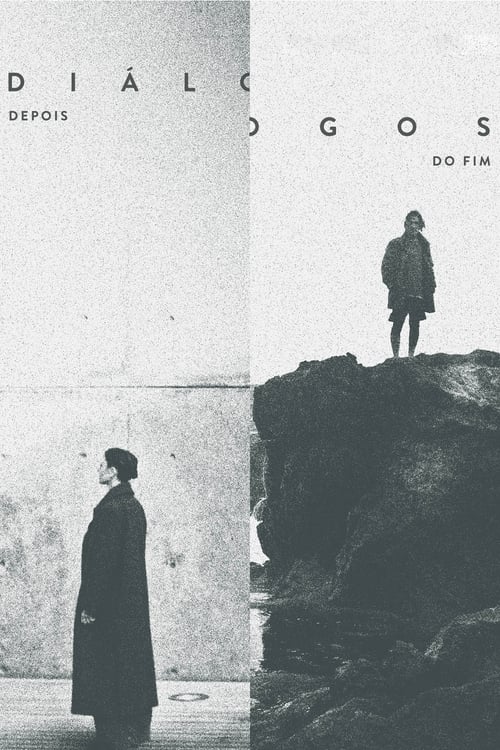
Pavese considered Dialogues with Leucò his best work. Eloquent and at the same time sententious and fragile, but implausible among humanized gods, demigods, heroes, and other pagan figures of Greek mythology, who question, through the imaginary of myths, the society of contemporary man. Out of a time and a certain space, and thus, and like all myths, always current.

In the mid-20th century, a troubled relationship between Germana, a young writer, and Quina, her aunt who lives in the northern Portuguese countryside. Feelings of jealousy, admiration and the complex magnetism between these two strong women arise.
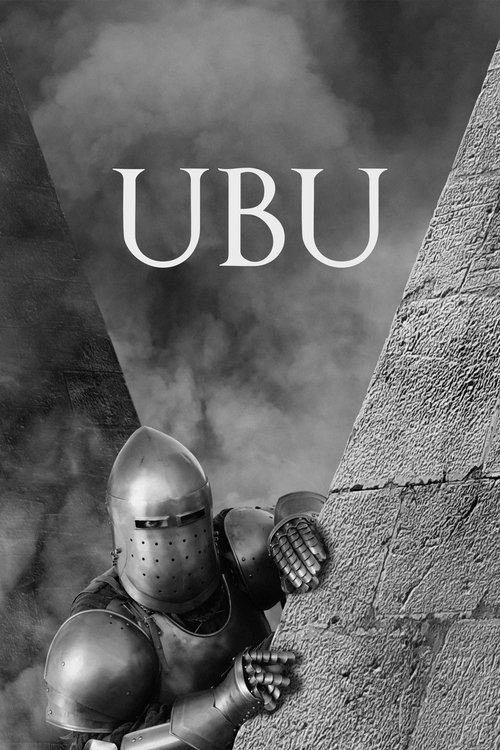
Ubu, instigated by his wife, murders King Venceslau and usurps the throne of Poland. Intoxicated by power, this grotesque and coward character conducts his reign in an absurd and cruel way, leading his kingdom to ruin. A cinematographic adaptation of Alfred Jarry’s play, a political satire that, cyclically, turns to the reality of world politics.
Subscribe for exclusive insights on movies, TV shows, and games! Get top picks, fascinating facts, in-depth analysis, and more delivered straight to your inbox.