
Action
Adventure
Animation
Comedy
Crime
Documentary
Drama
Family
Fantasy
History
Horror
Music
Mystery
Romance
Science Fiction
Thriller
War
Western
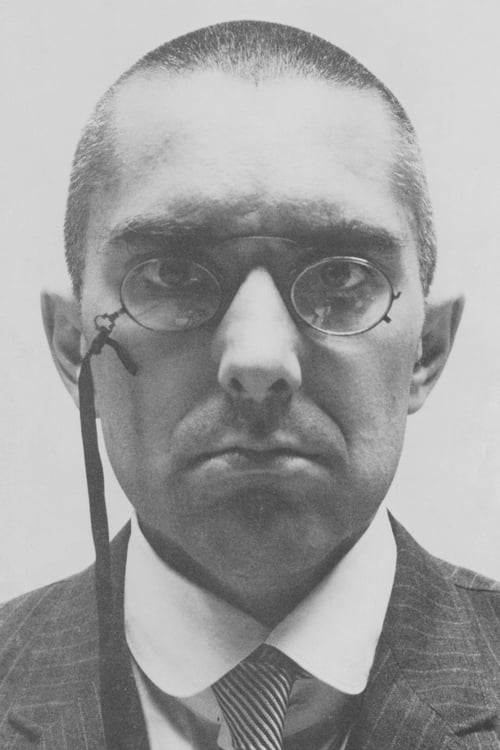
George Maciunas (Lithuanian: Jurgis Mačiūnas; November 8, 1931 – May 9, 1978) was a Lithuanian American artist. He was a founding member and the central coordinator of Fluxus, an international community of artists, architects, composers, and designers. Other leading members brought together by this movement included Ay-O, Joseph Beuys, Jonas Mekas, George Brecht, Dick Higgins, Yoko Ono, Nam June P...
Explore all movies appearances
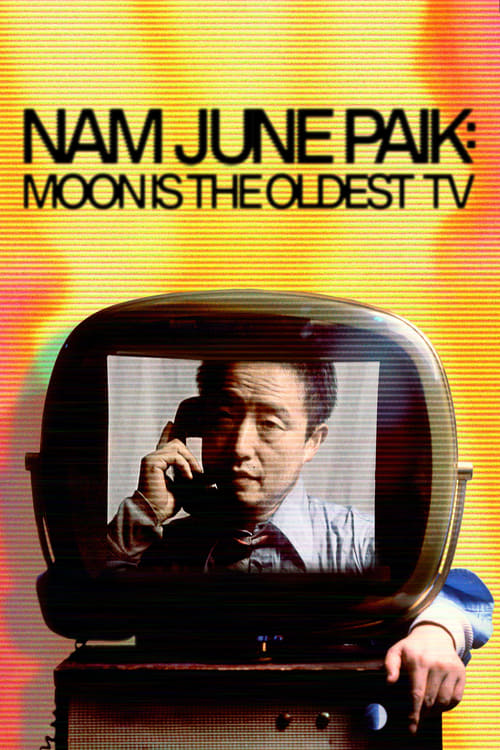
The quixotic journey of Nam June Paik, one of the most famous Asian artists of the 20th century, who revolutionized the use of technology as an artistic canvas and prophesied both the fascist tendencies and intercultural understanding that would arise from the interconnected metaverse of today's world.
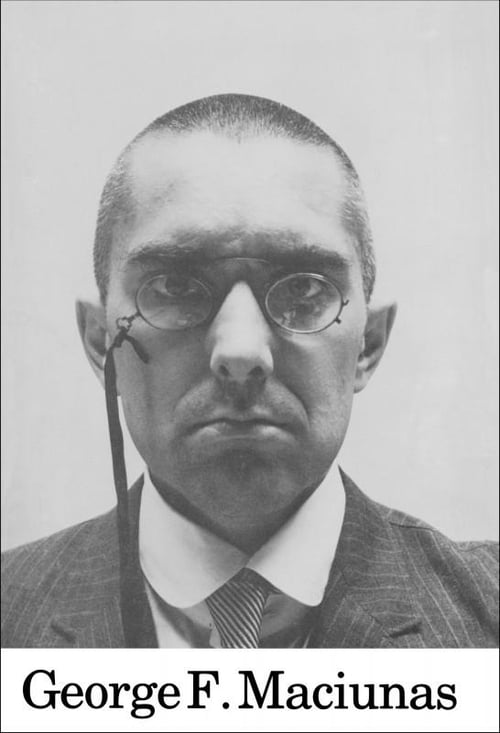
In 1961 Lithuanian American artist and impresario George Maciunas established the avant-garde art movement Fluxus. George details the rise of Fluxus following a sensationalized tour of “concerts” in Europe in 1962, and continuing in New York for most of the 1960s and ’70s. During this time Maciunas was converting the dying industrial buildings of Soho into a network of artists’ lofts, creating one of the first official real estate co-ops of artist-owned buildings. Maciunas’s life and legacy—as recounted by artists of his generation, including Yoko Ono and Jonas Mekas—ignited debates that remain pivotal to artists working today.

In his latest film, Mekas shares what he describes as “a valentine to Yoko Ono,” done in his signature diaristic style. Mixing the familiar 16mm film with DV video, he offers a fly-on-the-wall look at intimate moments spent with one of the foremost artists of that era, including performances by Ono and new footage of her recent work—a testament to her endurance and the friendships she has made and kept over the years.
Consists of images of the Andy Warhol show at the Whitney Museum in May of 1971. It also includes a George Maciunas dumpling party on 80 Wooster Street, Soho, on June 29, 1971. George Maciunas, Andy Warhol, John Lennon, and Yoko Ono are pictured.

A casual, personal portrait of Hermann Nitsch, made with footage I took over the many years of our friendship. Footage includes early performances in New York, images of Hermann shortly after the acquisition of the Prinzendorf monastery, which since has become his main space of activity. You also see Hermann with his Vienna, New York, and Napoli friends, Peter Kubelka, Raimund Abraham, Gunther Brus, George Maciunas, Giuseppe Morra, and others.
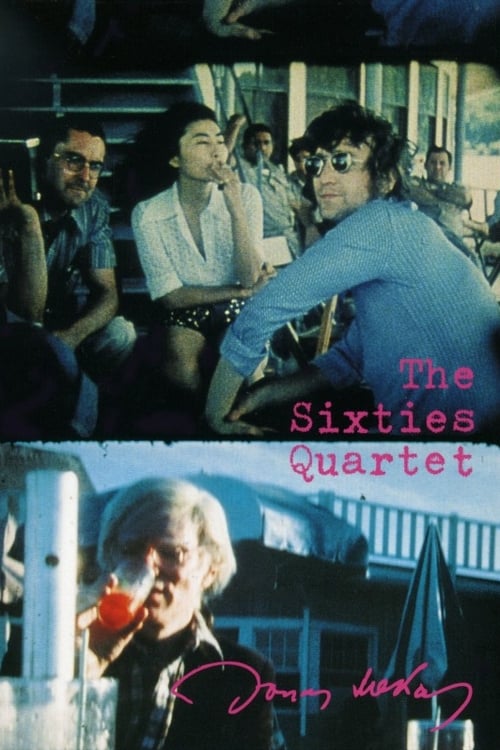
On October 9, 1972, the Everson Museum of Art in Syracuse hosted an exhibition of John Lennon and Yoko Ono’s work, designed by Fluxus artist George Maciunas. That same day, friends including Ringo Starr, Allen Ginsberg, and Paul Krassner gathered to celebrate Lennon’s birthday. Jonas Mekas’s film records the event in both image and sound, capturing the spirit of the moment and the community around Lennon and Ono.
The life and work of Fluxus artist George Maciunas as seen in clips filmed between 1952 and 1978.
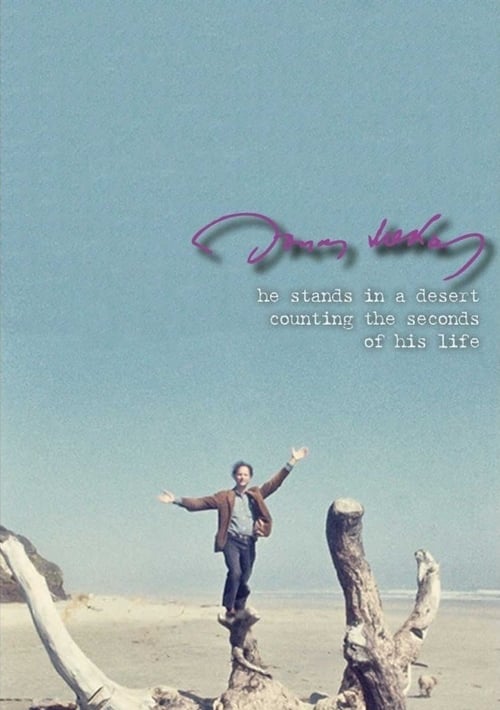
A film collage tracing the story of the lives, loves, and deaths within the artistic community surrounding Jonas Mekas.
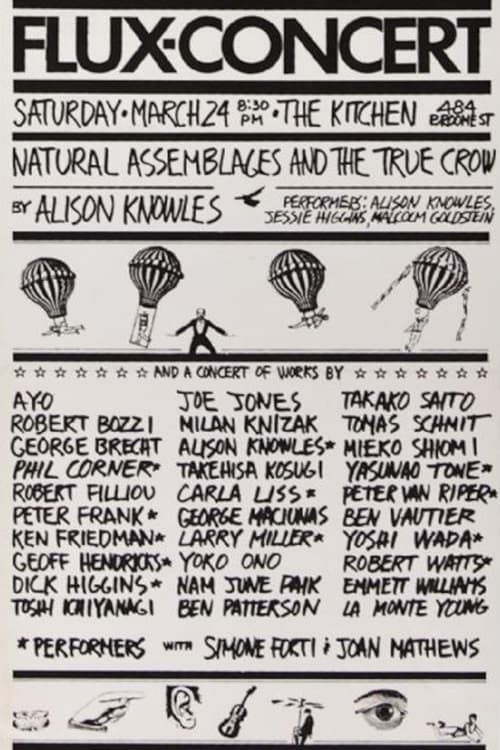
On March 24, 1979, The Kitchen presented a two-part program dedicated to the work of various Fluxus artists. The programming began with the premiere of Alison Knowles’s “Natural Assemblages and the True Crow.” For the piece, Knowles engaged in a dialogue with her own taped voice, which read aloud selections from various natural history books. Simultaneously, violinist Michael Goldstein provided an improvised score while dancer Jessie Higgins executed a number of one-movement phrases by following instructions on index cards. The second part of the night’s programming consisted of forty rapid performances—most sixty seconds or less—by various Fluxus members, including Yoko Ono, George Brecht, La Monte Young, and Nam June Paik. Ken Friedman and Larry Miller coordinated this portion of the event.

Barbara, a young woman consumed by despair, contemplates suicide, while a man she meets in a church and a married couple struggle to persuade her that life is still worth living. Mekas’s film weaves this intimate drama into a larger reflection on alienation, politics, and the turbulence of early 1960s America.
Subscribe for exclusive insights on movies, TV shows, and games! Get top picks, fascinating facts, in-depth analysis, and more delivered straight to your inbox.