
Action
Adventure
Animation
Comedy
Crime
Documentary
Drama
Family
Fantasy
History
Horror
Music
Mystery
Romance
Science Fiction
Thriller
War
Western
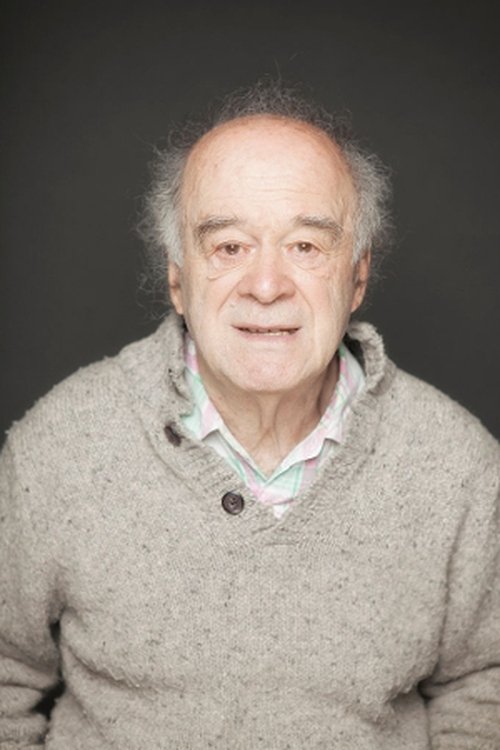
Tonino De Bernardi (1937, Italy) made his first work at the end of the 1960s. His underground films were often projected in museums and art galleries. In his films, De Bernardi mixes life with his interest in literature, music and art. In 1987 he made his first official feature, Elettra, after Sophocles.
Explore all movies appearances
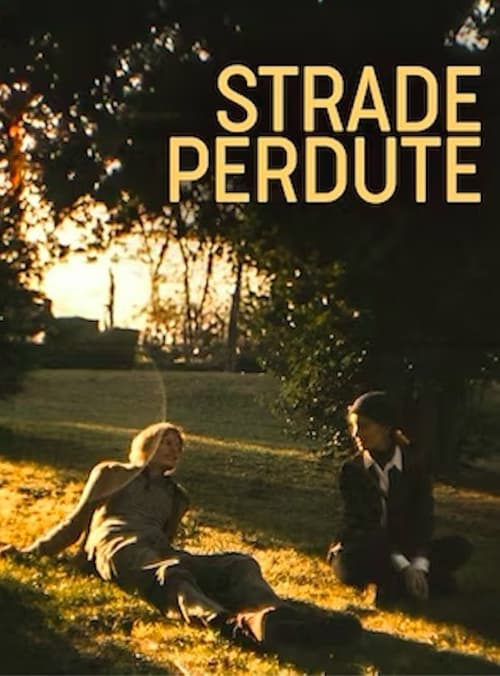
For Filmmaker Film Festival (2023), Fulvio Baglivi and Cristina Piccino asked some filmmakers (R. Beckermann, J. Bressane, D’Anolfi/Parenti, T. De Bernardi, L. Di Costanzo, A. Fasulo, F. Ferraro, M. Frammartino, S. George, ghezzi/Gagliardo, C. Hintermann, G. Maderna, A. Momo, A. Rossetto, M. Santini, C. Simon, S. Savona) to give us their own "lost road," that is, a sequence, scene or piece of editing that did not later find its way into the final version of one of their works. Each fragment has its own accomplished presence, often has a different title from the film it was made for, which is not necessary to have seen in order to find meaning; on the contrary, those who set out thinking they know the world they are walking through will find themselves displaced.

A film commissioned by the Centre Pompidou, where the director captures moments of his daily life and of his relatives.
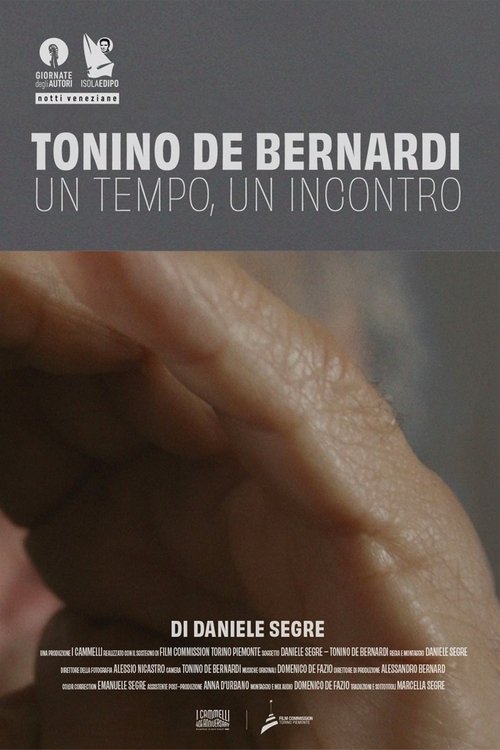
"Tonino De Bernardi - Un tempo, un incontro" is a film about the duel between two friends who are very different from one another. Two different approaches, two characters, two views that only seem antithetical meet and then open up in front of a camera. Or, more precisely, in front of the cameras. On the one hand, the eye of Daniele Segre. On the other hand, Tonino's, which almost taints the film's aesthetics. The film's development conveys a sense of immediacy, which is a fundamental principle for both directors. Daniele films Tonino and Tonino films Daniele, and this takes place in a play of associations, and in the space of an encounter. The two directors have seized this opportunity to swap views and experiences.
"The Man With The Golden Eye" tells the extraordinary figure of Marco Melani through a live projection of materials collected in over ten years of research. Found footage, unpublished interviews with cinema and television personalities, fragments of films, extracts from television programs, photographs, readings and interventions by the author, intertwine giving voice to a chorus of precious testimonies.
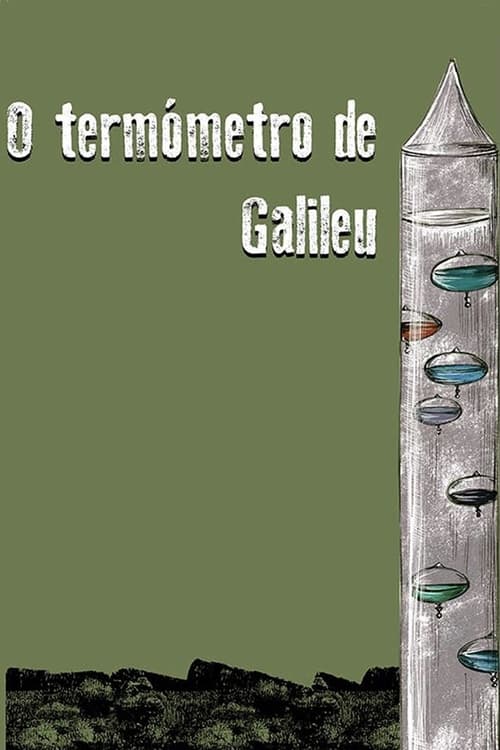
A whole summer long, Portuguese filmmaker Teresa Villaverde stayed with Italian cult director Tonino De Bernardi, who was working on projects including a film version of Sophocles’ Electra starring only local villagers. She sits at the table with the family in their garden, on the back seat of the car on the way home in the evening or listens to the stories told by the woman De Bernardi buys cheese and eggs from.
No plot available for this movie.
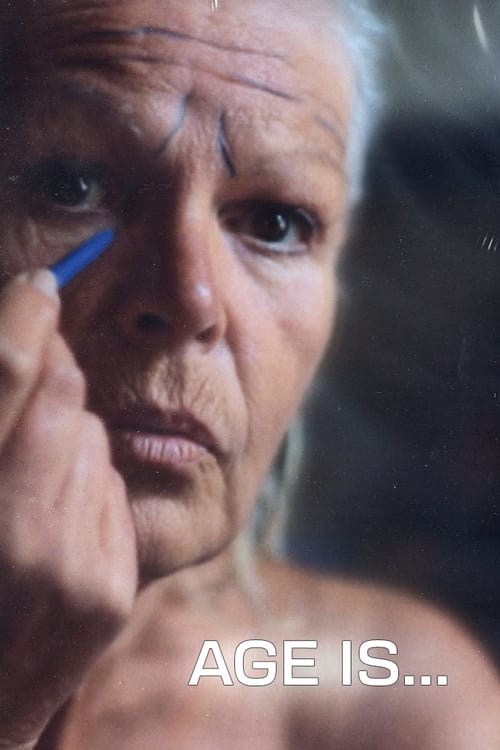
Stephen Dwoskin’s final film is a meditation on the subjective experience and cultural concepts of ageing. The film is an ode to the texture, the beauty, the singularity of aging faces and silhouettes, a hypnotic poem in the Dwoskin meaning of the term which is long observations of very tiny details. A gesture, a pause, a look, a moment. Throughout his films intimacy has always played a leading role and this is also true for Age is..., all the faces being close friends, or close friends relatives and sometimes even Stephen himself.

This exhibition focuses on Jonas Mekas’ 365 Day Project, a succession of films and videos in calendar form. Every day as of January 1st, 2007 and for an entire year, as indicated in the title, a large public (the artist's friends, as well as unknowns) were invited to view a diary of short films of various lengths (from one to twenty minutes) on the Internet. A movie was posted each day, adding to the previously posted pieces, resulting altogether in nearly thirty-eight hours of moving images.
No plot available for this movie.
No plot available for this movie.
Subscribe for exclusive insights on movies, TV shows, and games! Get top picks, fascinating facts, in-depth analysis, and more delivered straight to your inbox.