
Action
Adventure
Animation
Comedy
Crime
Documentary
Drama
Family
Fantasy
History
Horror
Music
Mystery
Romance
Science Fiction
Thriller
War
Western

Mariza (Portuguese pronunciation: [mɐˈɾizɐ]),[1][2] born Marisa dos Reis Nunes (16 December 1973, Lourenço Marques, Portuguese Mozambique) is a popular fado singer. Mariza was born to a Portuguese father and a mother of partial African heritage.[3] At age three, her family moved to Metropolitan Portugal, and she was raised in Lisbon's historic quarters of Mouraria and Alfama. While very young she ...
Explore all movies appearances
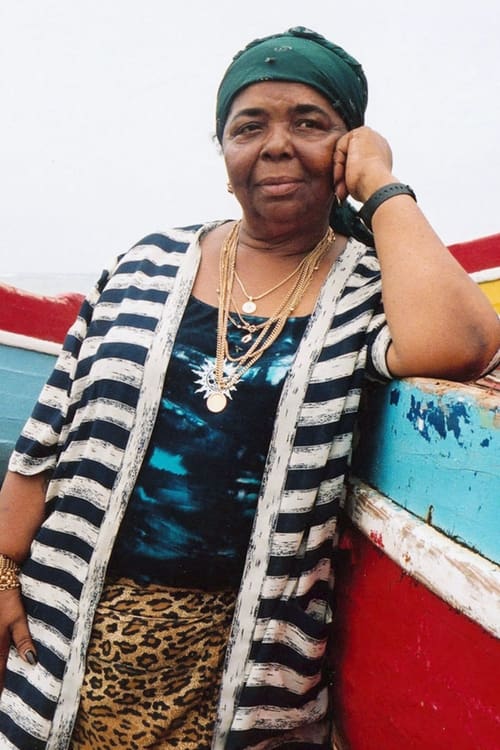
Cesária Évora made the music of the Cape Verde islands famous throughout the world in the early 1990s. This film is an introduction to the culture, music and zest for life of the Cape Verdean people. On the occasion of the famous carnival of Mindelno, on the island of São Vicente where Cesaria Évora was born, this documentary offers a musical journey to discover "Sodade" and its legacy. Cesaria Évora, who died in 2011 after a twenty-year career, has allowed Cape Verde to shine throughout the world. The "barefoot diva", considered the queen of the morna has conquered the world and inspired many Cape Verdean artists. The small archipelago, which was for several centuries an important hub of the slave trade has promoted since then an important ethnic mix, which has played an important role in the evolution of local music.

Helen, 30 years-old, decides she is going to change the rest of her life. Her biggest mistake, she asks God for some precious help.
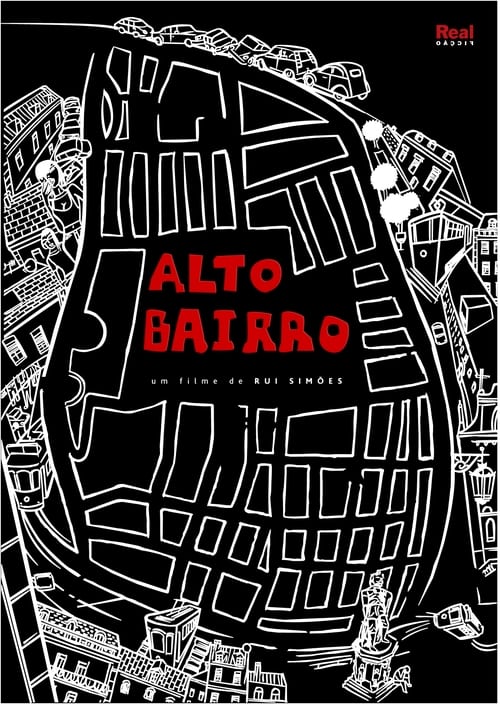
In Lisbon 1950, John, 13, decides to invade the neighborhood of prostitutes, nobility and sailors, starting a new stage in his life. Today this neighborhood is reflected in a scattered public debate centered on its night life.
A documentary project that aims to capture the uncapturable. Explain what cannot be explained. How does one decipher fado? How is it conceived? They say one is born a fado singer, but how do you define what one feels? Does it emanate from within? Many Eastern masters believe that knowledge can only be gained in person. Could it be that through technology we can capture the timeless presence of a master and feel their knowledge? This is a documentary that tries to explain what fado is, to those who know it and those who don't, from the inner point of view of the 'maker' of fado. From the composer to the guitarist, including those who sing it and those who study it. And so, through these testimonies, we can explain the invisible. The inner side of Fado.

The Portuguese soul, accompanied by the trill of the guitar! At the Coliseu dos Recreios, the fado singers of yesterday, today, and forever give voice to our tradition. RTP supported this application from the outset, and now the time has come to celebrate this historic achievement with all Portuguese people. Fado is now part of humanity's heritage! At the Fado World Heritage Gala, broadcast live by RTP, the following artists will be on stage at the Coliseu dos Recreios: Aldina Duarte, Ana Moura, António Zambujo, Carlos do Carmo, Carminho, Celeste Rodrigues, Cristina Branco, João Braga, Marco Rodrigues, Maria da Fé, Mariza, Pedro Moutinho, Ricardo Ribeiro Musicians: Ângelo Freire, Carlos Garcia, Carlos Menezes, Custódio Castelo, Diogo Clemente, Joel Pina, Marino de Freitas...
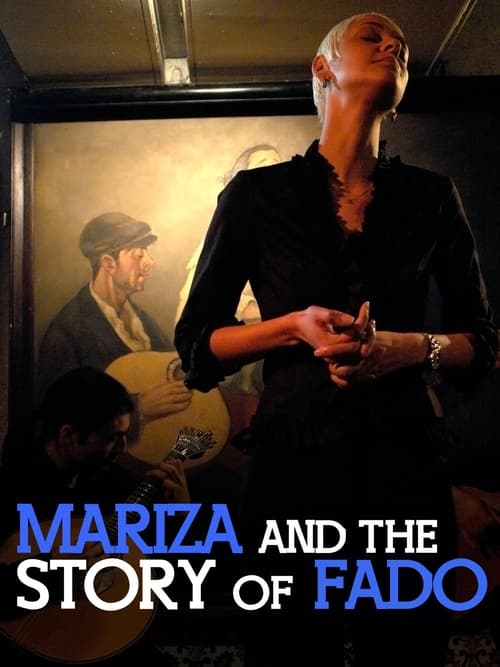
There is blues in the United States, Flamenco in Spain, tango in Argentina, chanson in France - and Portugal, too, has its own musical style, fado, and its biggest artist is Mariza. Internationally acclaimed Portuguese-Mozambican singer Mariza stars in this compelling documentary film that traces the history of fado back to its origins in the streets of Lisbon during the early 19th century.
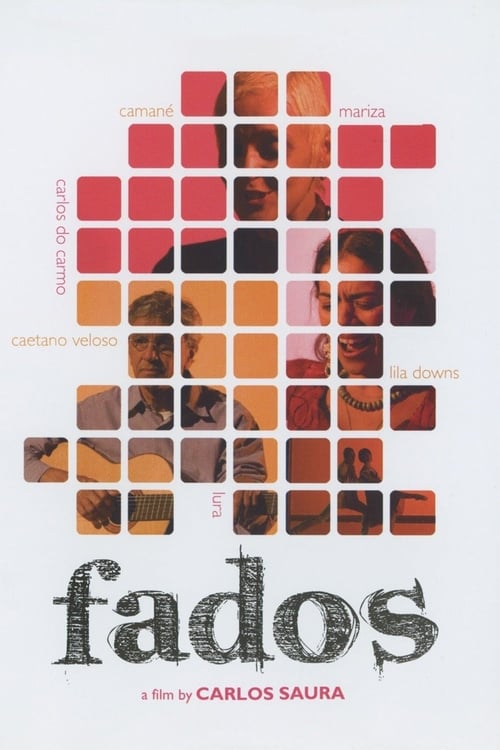
A series of musical performances showcasing the diverse facets of fado, a musical genre from Lisbon.
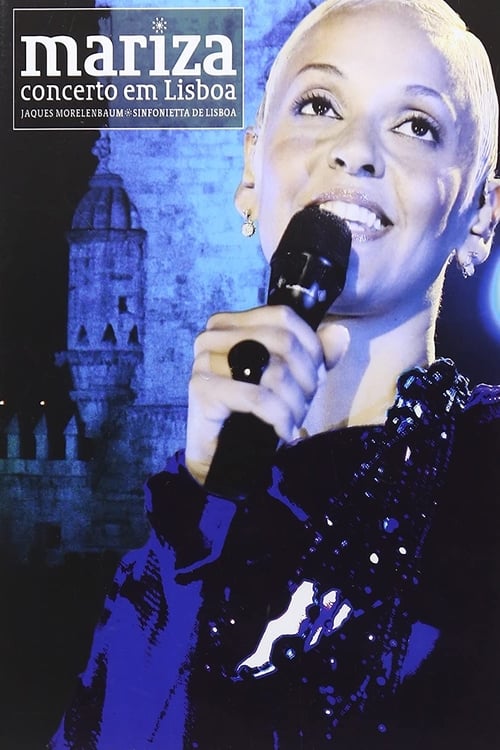
Mariza is known as a thrilling live performer, and it seems clear that she responds to the audience as powerfully as they respond to her. The live album medium seems ideal for such an artist, and with Concerto em Lisboa, Mariza delivers what is undoubtedly the finest album of her still-young (though internationally renowned) career. The accompanying DVD is both full of fascinating historical information about fado music, as well as an inside look at Mariza herself, who comes across as humble, kind and incredibly down-to-earth.
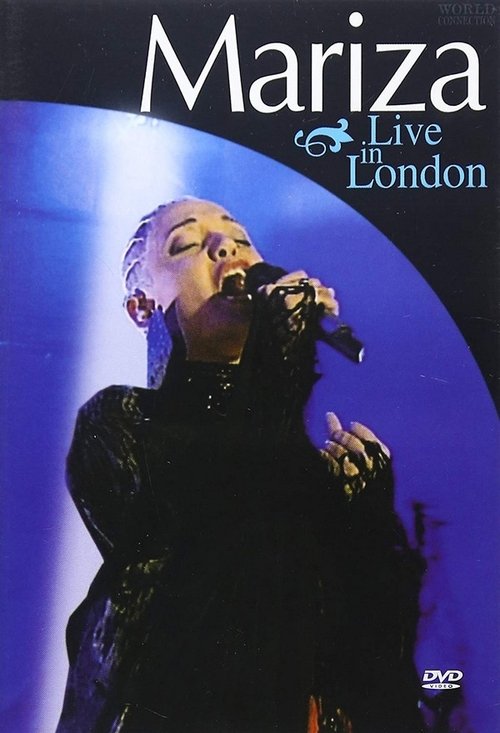
The new queen of the Portuguese folk music known as fado shines in the impressive Mariza Live in London, a 2003 concert recorded at the Union Chapel in London. The twentysomething Lisbon resident has been hailed as the successor to fado legend Amália Rodrigues; now, after two well-received CDs, comes Mariza's first filmed concert performance, and it is stunning. Mariza is backed primarily by acoustic guitar, acoustic bass guitar, and "Portuguese guitar," a 12-string instrument that looks something like a lute and sounds a bit like a Greek bouzouki; there is some piano as well, and Guy Barker's muted trumpet provides "O Deserto" with a pronounced jazzy feel. But the singer is the main attraction here, and the power and passion of Mariza's delivery on "Barco Negro" and nearly all the others in the 16-song set, including more upbeat, celebratory numbers like "Oica La o Senhor Vinho" (the introductions are in English, but the tunes are all in Portuguese) are undeniable.
No plot available for this movie.
Subscribe for exclusive insights on movies, TV shows, and games! Get top picks, fascinating facts, in-depth analysis, and more delivered straight to your inbox.