
Action
Adventure
Animation
Comedy
Crime
Documentary
Drama
Family
Fantasy
History
Horror
Music
Mystery
Romance
Science Fiction
Thriller
War
Western

Beverly Grant was an actress and filmmaker who appeared in films by Andy Warhol, Jack Smith, Gregory Markopoulos, Ira Cohen, Ron Rice, and Stephen Dwoskin, on the off-off Broadway stage in works by Ronald Tavel and LeRoi Jones, as well as collaborated with her one-time husband, experimental filmmaker and musician, Tony Conrad.
Explore all movies appearances
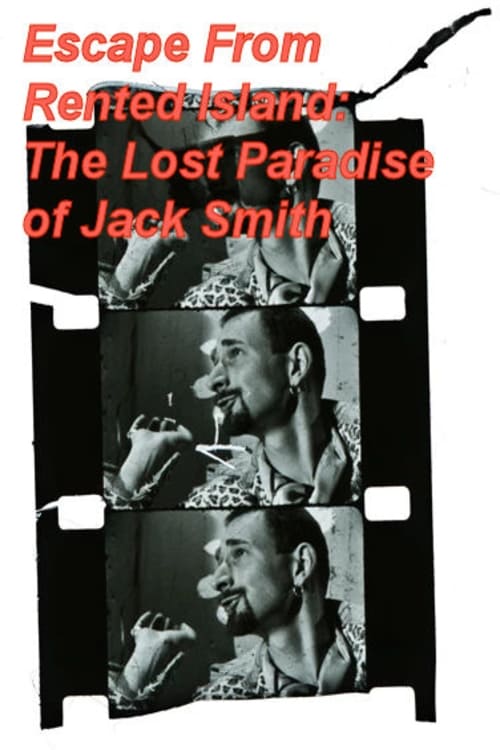
In his essay film, Jerry Tartaglia, longtime archivist and restorer of the film estate of queer New York underground, experimental film, and performance legend Jack Smith, deals less with Smith’s life than with his work, analyzing Smith’s aesthetic idiosyncrasies in 21 thematic chapters. It's a film essay about the artist’s work, rather than a documentary about his life. An unmediated vision of Jack Smith, an invitation to join him in his lost paradise.
Home movies shot on Super 8mm by W+B Hein over 10 years.
Initially titled "Books for all". A moving institutional commission in which the filmmakers lovingly portray New Jersey's public library system.
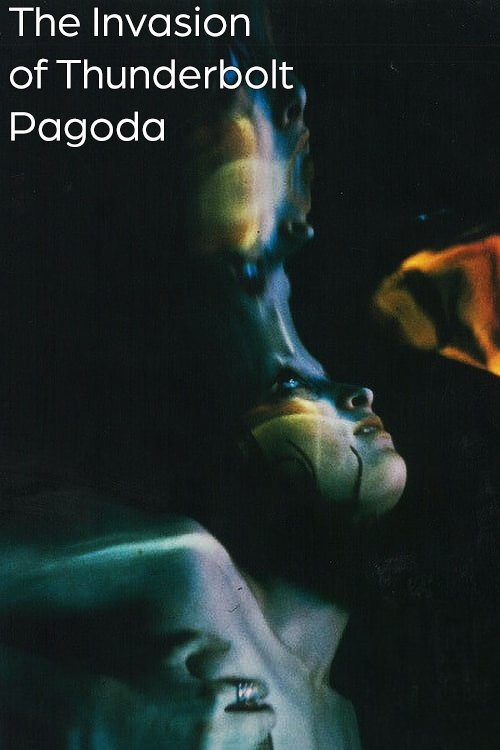
At the court of the Yellow Emperor, the Majoon Traveler & Lady Firefly appear in the Hall of Unconscious Magnetism.
Also known as Walden, Jonas Mekas’s first diary film is a six-reel chronicle of his life in 1960s New York, interweaving moments with family, friends, lovers, and artistic idols. Blending everyday encounters with portraits of the avant-garde art scene, it forms an epic, personal meditation on community, creativity, and the passage of time.
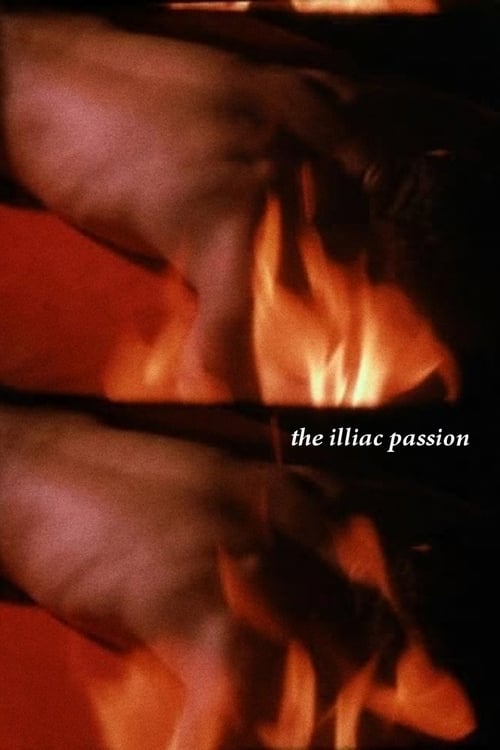
Prometheus, on an Odyssean journey, crosses the Brooklyn Bridge in search of the characters of his imagination. After meeting the Muse, he proceeds to the "forest." There, under an apple tree, he communes with his selves, represented by celebrated personages from the New York "underground scene" who appear as modern correlatives to the figures of Greek mythology. The filmmaker, who narrates the situations with a translation of Aeschylus' Prometheus Bound, finds the personalities of his characters to have a timeless universality.
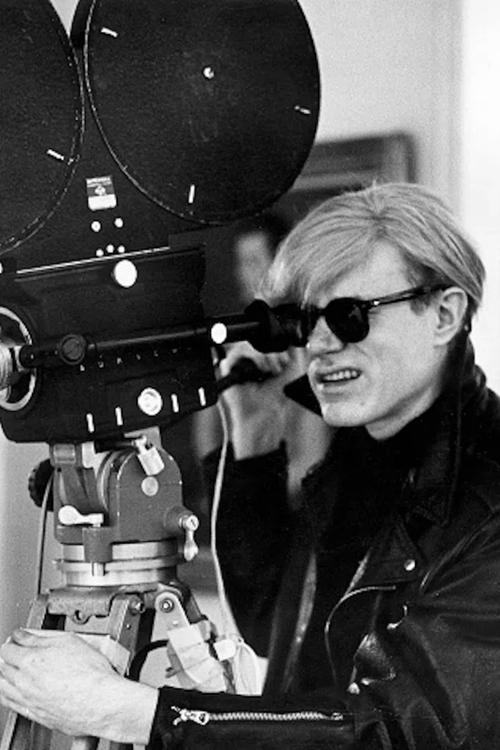
One of Andy Warhol's screen tests, focusing on an actor's face for 4-5 mins.
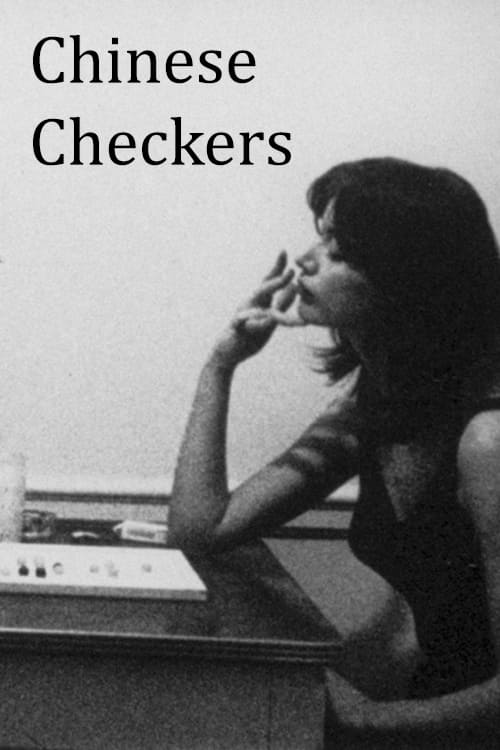
His Oriental predator is at first clothed in black, her 'victim' in white; slowly the costumes change, the victim acquiring a veil of mourning, until finally - as if to underline the ambiguity and interchangeability of their respective roles - the colours are reversed altogether. Still more interesting is the way in which, as the game becomes more ambiguous, Dwoskin adds fresh layers of make-up to his characters' faces, until they become almost caricature masks of their original selves.
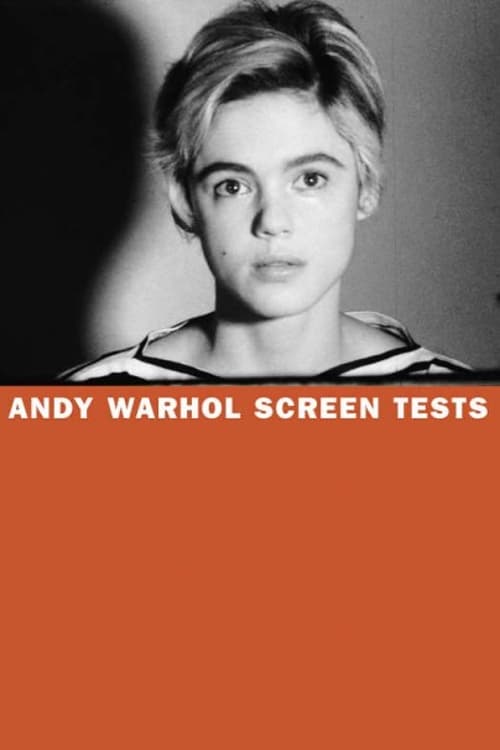
The films were made between 1964 and 1966 at Warhol's Factory studio in New York City. Subjects were captured in stark relief by a strong key light, and filmed by Warhol with his stationary 16mm Bolex camera on silent, black and white, 100-foot rolls of film at 24 frames per second. The resulting two-and-a-half-minute film reels were then screened in 'slow motion' at 16 frames per second.
Filmed in New York in 1964, completed in London 1967.
Subscribe for exclusive insights on movies, TV shows, and games! Get top picks, fascinating facts, in-depth analysis, and more delivered straight to your inbox.