Action
Adventure
Animation
Comedy
Crime
Documentary
Drama
Family
Fantasy
History
Horror
Music
Mystery
Romance
Science Fiction
Thriller
War
Western
Explore all movies appearances
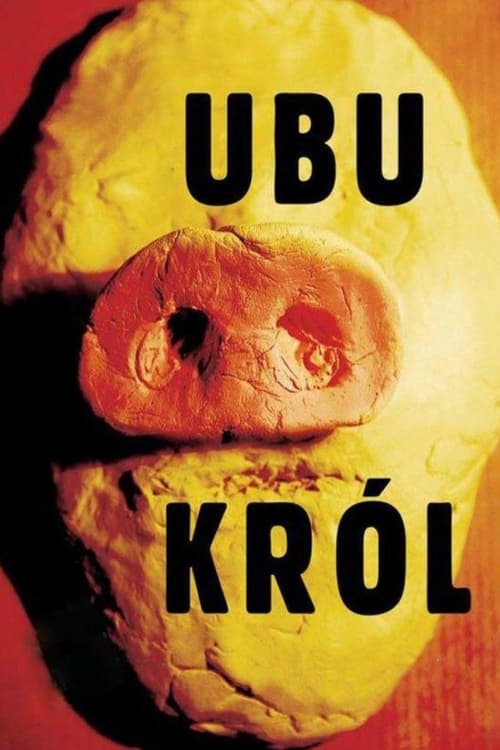
A grotesque Shakespearean tale of Ubu who comes to power in a bloody way. When his absurd reforms fail and the treasury gets empty, Ubu and his flatterers start implementing terror across the country.

A television staging of the 1941 Brecht play, The Resistible Rise of Arturo Ui.
Polish teleplay based on Ephraim Kishon's play, concerning the characters of Romeo and Juliet and their alternate fate had they survived the events of Shakespeare's play and grew old together.
Charles sits for hours in a wardrobe in a rented room on the attic, looking back on his whole life. He was brought up by a single mother who loved his only child with a sick desperate feeling and limited all his world to her own person. Charles' tragedy began with his adolescence. It made his mother aware of her feminity that resulted in her new marriage. Together with a new husband she decided to send the boy to a school for retarded children. Upon leaving the school Charles starts to seek his longing mother who moved out, in a meanwhile, not giving any address.
"Mieso" (Meat) is a satirical and irreverent revision of the most recent history of Poland.
A TV adaptation of Sławomir Mrożek's play, about a family whose rejection of traditional values leads to erosion of their daily lives and Artur's, the youngest one's efforts to reinstate rules in the house.

The main character is Bogna, a thirty year old woman lost in her surrounding reality and unhappy in her private life. After her husband departs for a foreign scholarship, Bogna learns that her mother died. The trip to her hometown for the funeral becomes a voyage in time, during which she relives the memories of her idyllic childhood.
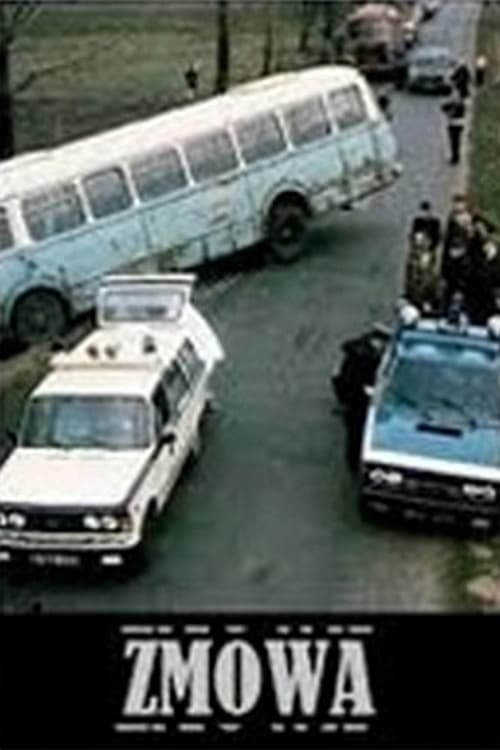
Christmas Eve night of 1976. In a village in the newly formed Tarnobrzeg province, a local bus hits a young married couple and a twelve-year-old boy. In the presence of numerous witnesses, the victims are beaten to death with a wheel wrench. In the aftermath of this crime, all the villagers are united by a conspiracy of silence. The dramatic scenario is freely based on the authentic case of the shocking 1976 Polanieck case.
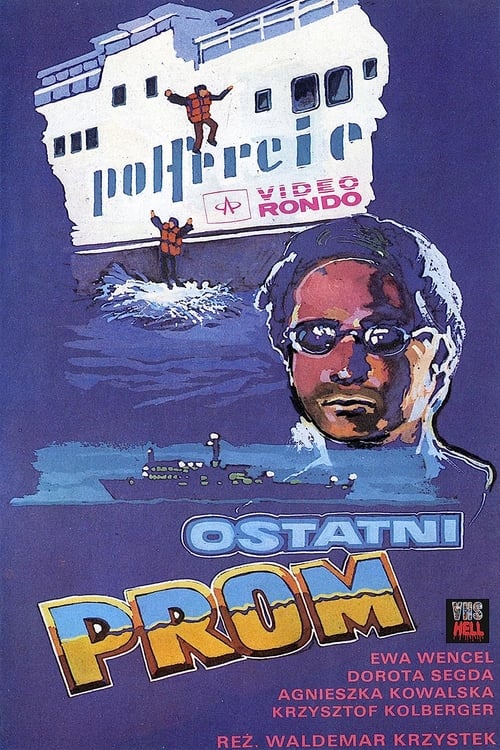
One of the passengers on a ship carrying Poles on a cruise in December 1981 is a dissident high school teacher sent abroad by Solidarity. He is under surveillance of the secret police, anxious to get their hands on the info that he is carrying. When the ship is in the middle of the Baltic sea, martial law is declared and the ship is militarized. The captain announces he will turn and return the home port. Many anguished passengers put the life vests on and jump into the sea, where they are picked up by two German ships. The teacher, however, decides to return to Poland and continue the struggle for freedom.
The final stage of the great artist's life, a stage in which Witkacy decides to destroy himself. A growing sense of danger, the futility of all actions, and fear of what is to come accompany him constantly during his escape from Warsaw to the East at the outbreak of World War II. Everyday facts and events are intertwined in the film with reminiscences and images from his life, supported by the artist's inner monologue. The style of narration and the way of filming make the film a poignant study of the writer's inner disintegration. By emphasizing the painterly quality of the image and introducing dreamlike themes, Kluba captures on screen the characteristics of both Witkacy's playwriting and painting.
Subscribe for exclusive insights on movies, TV shows, and games! Get top picks, fascinating facts, in-depth analysis, and more delivered straight to your inbox.