
Action
Adventure
Animation
Comedy
Crime
Documentary
Drama
Family
Fantasy
History
Horror
Music
Mystery
Romance
Science Fiction
Thriller
War
Western

Filmmaker, installation artist, activist and performer Wu Tsang produces artwork that addresses issues in the trans and LGBT community. Her work interrogates themes of gender identity, social spaces and the tension between film and art. In 2012, she produced the film Wildness, which focused on the weekly performance-art dance parties of the same name and featured vignettes of marginalised gay and ...
Explore all movies appearances
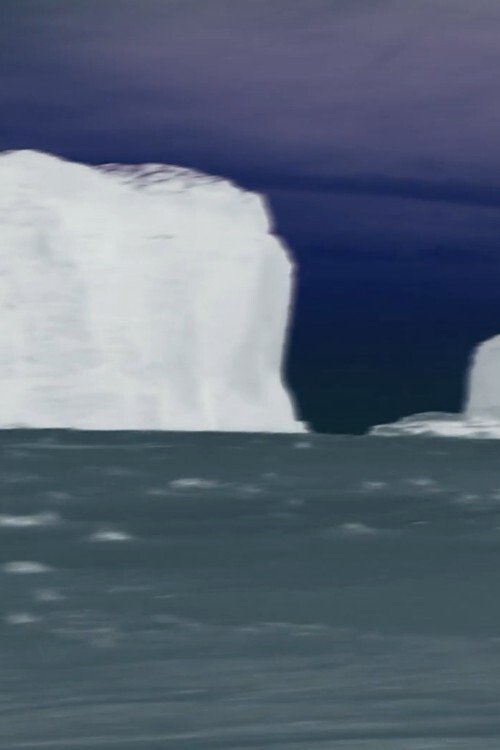
An exquisite corpse, the film extends the artist’s interests in the writings of Etel Adnan, the coming present and the personal as political.
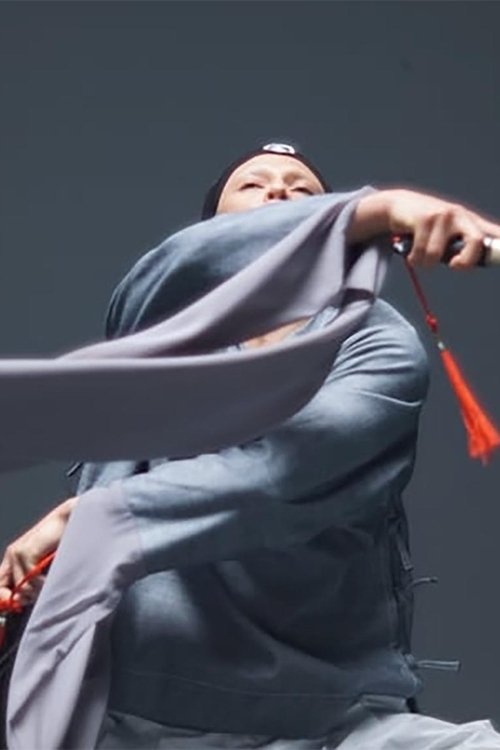
Inspired by the untold personal story of the 19th-century Chinese poet and revolutionary Qiu Jin, Wu Tsang brings to life, subverts, and re-enacts the lesser-known romance and friendship with calligrapher Wu Zhiying. Set in contemporary Hong Kong, the film shifts between time and space, past and present, fact and fiction through Tsang's continued exploration of language and misinterpretation.
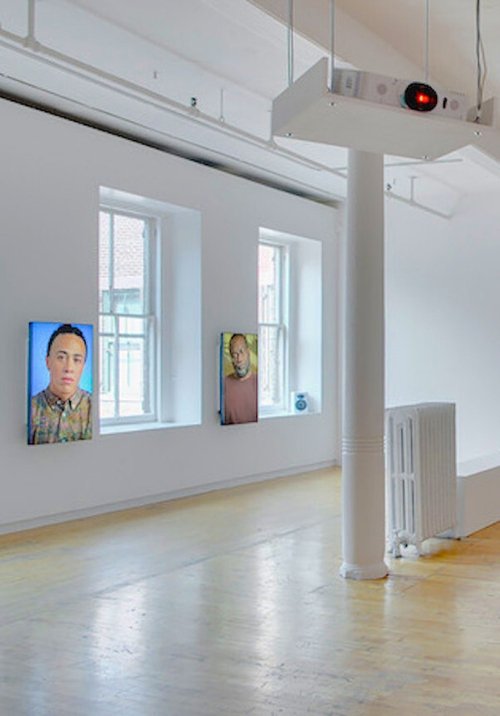
This two-channel film, initiated as a long-distance communication experiment, was the result of an exchange with Fred Moten, the poet and theorist whose work explores representation and identity in black avant-garde culture. Moten and Tsang left each other voicemail messages every day over a two-week period, never actually making contact, but often riffing off of the other’s previous message. The recordings of these messages serve as voiceover for footage of the faces of Moten and Tsang looking directly at the camera with deadpan expressions.
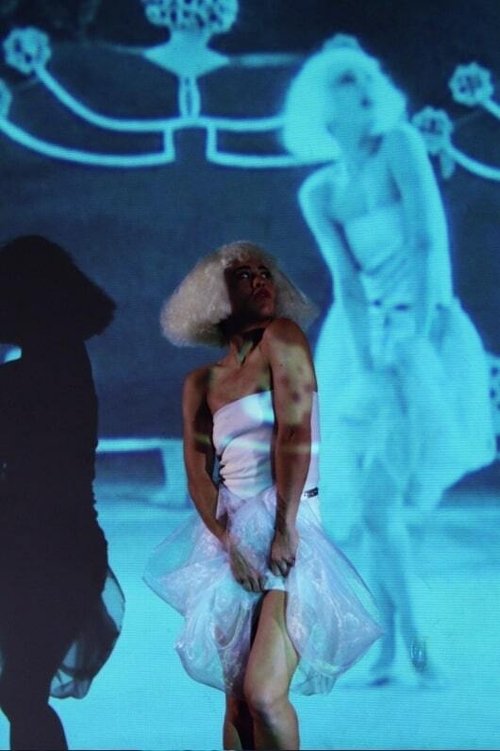
Salomania reconstructs a dance: the ‘dance of the seven veils’ from Alla Nazimova’s 1923 silent film Salomé. Also shown and rehearsed are sections from ‘Valda’s Solo,’ which the choreographer and filmmaker Yvonne Rainer created after having seen Nazimova’s film.
Subscribe for exclusive insights on movies, TV shows, and games! Get top picks, fascinating facts, in-depth analysis, and more delivered straight to your inbox.