Action
Adventure
Animation
Comedy
Crime
Documentary
Drama
Family
Fantasy
History
Horror
Music
Mystery
Romance
Science Fiction
Thriller
War
Western
Explore all movies appearances

The life and work of Chinese bacteriologists. The film is based on the theme of profound psychological changes in a person's character, who, under the influence of many factors of life and situations, has to change his view of the world and science. One of the characters, Professor Huang, is shown in the process of development and formation. His character is vivid and memorable. If at the beginning of the film the young scientists seemed insufficiently serious to Huang, and he regarded all their aspirations to enter science as a sign of their lack of understanding of the complexity of science and their responsibility, by the end of the film Huang already sees in the young graduate students courage, daring, and a desire to achieve an active intrusion of science into life. The theme of friendship and mutual respect among scientists united by a common goal—serving the people—plays an important emotional role in the film.
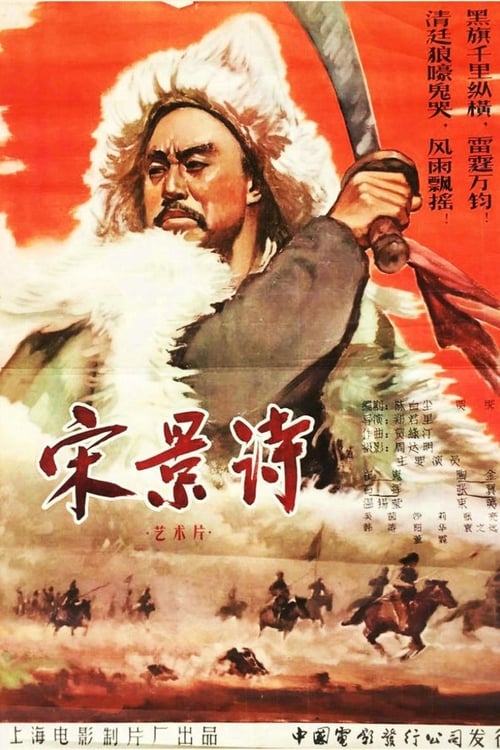
In the mid-19th century, at the height of the Opium War, the Chinese people rose up against the feudal system and the Manchu dynasty, which had capitulated to foreign invaders. ... With their heads bowed, peasants in chains trudge along, those who refused to give money to crush their rebellious brothers. Suddenly, their path is blocked. It is Song Jing-shi who has come to their rescue with his detachment. The freed peasants joined Song Jing-shi. This is how the core of the Black Flag Army was formed. The first historical film made in socialist China in the 1950s. The script is based on authentic material collected in villages in Shandong Province. Legends about the cruelty of Sen Gelinzin and the bravery of Sun Jing-shi, who is called the "Chinese Spartacus," still live on among the people.
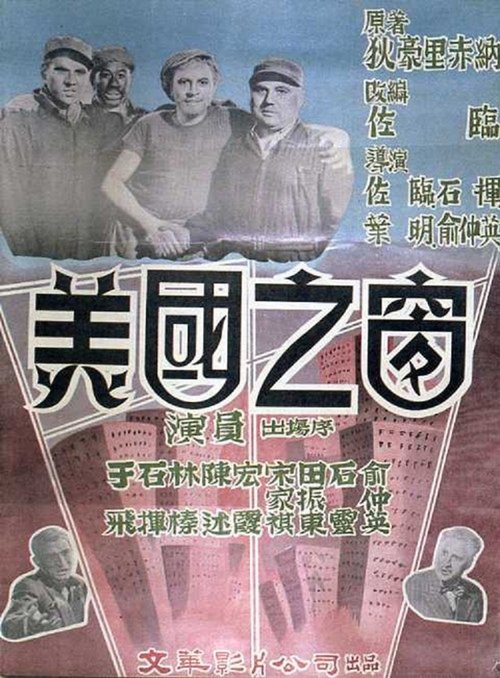
A New York City businessman meets a window washer hoping to commit suicide and decides to market his grief to the highest bidder in this acidic satire on American capitalism, one made even more memorable by the fact that the entire “American” cast are Chinese actors in whiteface. The greedy Mr. Butler (Shi Hui) convinces the suicidal “Charley” that he might as well endorse some cigarettes as he jumps out of his office window, and maybe wear a particular suit too. A true cinematic oddity, this Korean War–era propaganda piece is a satire that Frank Tashlin could envy.
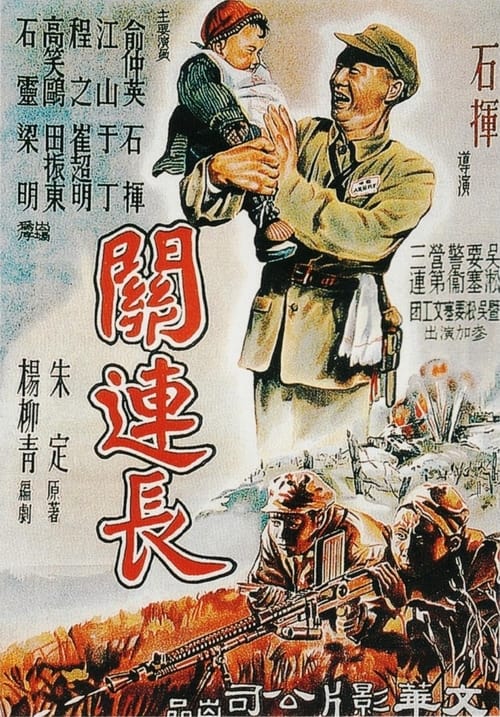
A platoon commander gets the order to destroy the enemy's command center within three hours. However, the headquarter is located in an overcrowded orphanage.
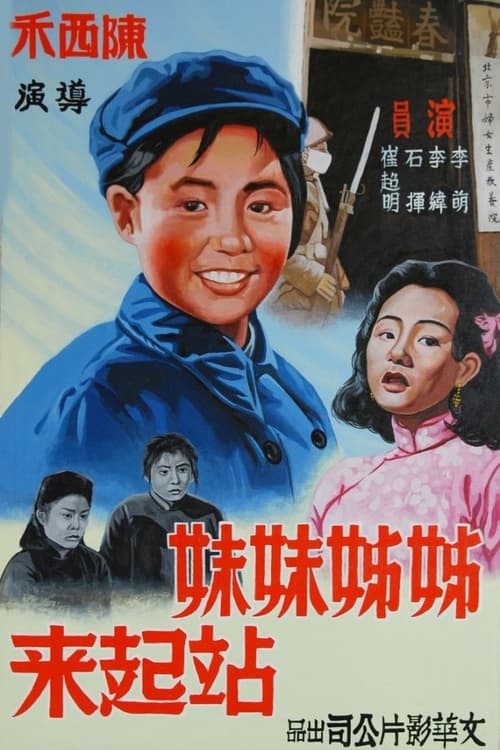
Da Xiang, a girl whose father died early, was deceived and sold to a brothel, and her desperate mother chose to commit suicide. Now a prostitute, she faces a tortuous life.
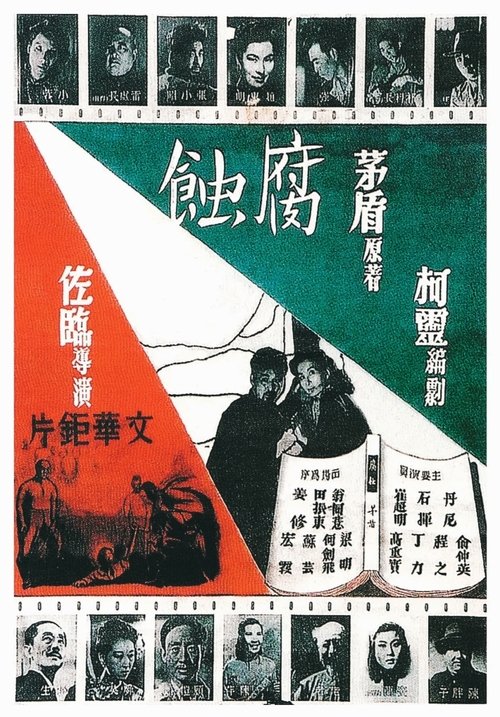
During the war against Japan, a young woman fell into the enemy's spy organization, and engaged in a series of espionage activities, before being inspired by members of the Communist Pary.

Fifty years of modern Chinese history (1900-1950), including wars, revolutions and corrupt politics, as seen through the life and times of a simple Beijing policeman and his family.
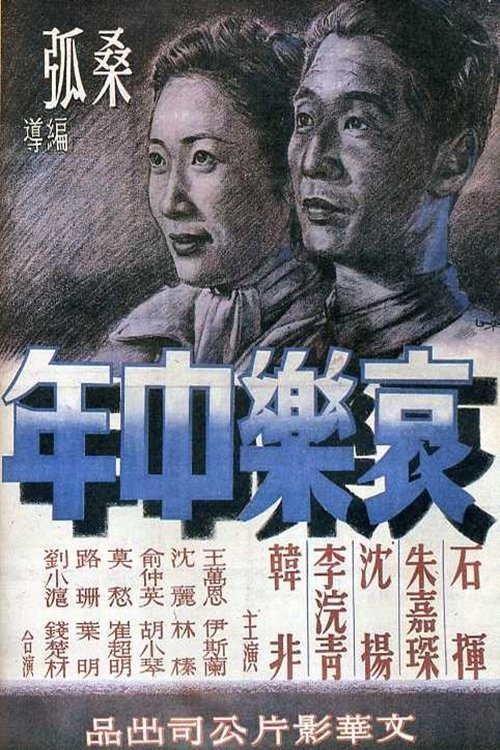
In pre-communism China, a widowed man falls in love with a young colleague who's the same age as his own children.
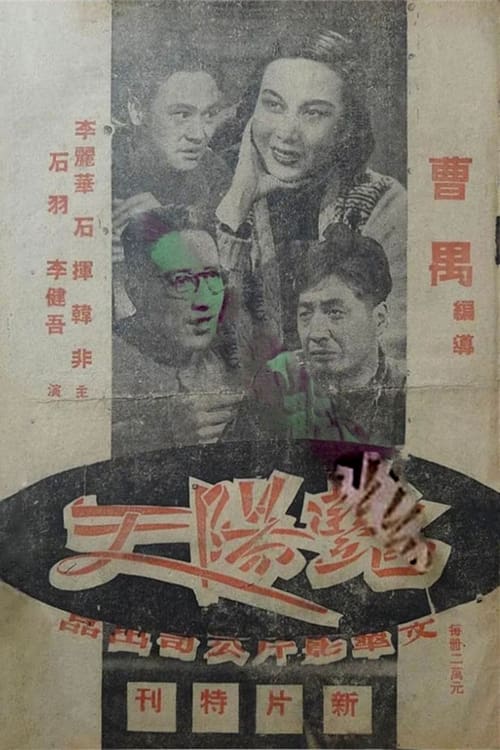
The great Chinese star Shi Hui stars as an energetic lawyer fighting for the good of his neighbors in this stirring, almost Capra-esque drama from Cao Yu, one of China’s most important twentieth-century playwrights.
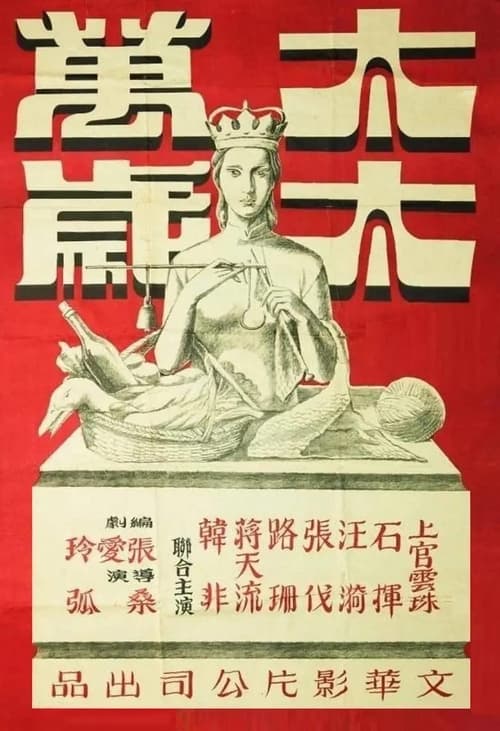
A man who becomes wealthy starts to have an affair and though his wife knows of it, she says nothing. Soon, the affair starts to have consequences and his business falls apart while the man’s sister starts to have a relationship with the brother of his wife.
Subscribe for exclusive insights on movies, TV shows, and games! Get top picks, fascinating facts, in-depth analysis, and more delivered straight to your inbox.