Action
Adventure
Animation
Comedy
Crime
Documentary
Drama
Family
Fantasy
History
Horror
Music
Mystery
Romance
Science Fiction
Thriller
War
Western
Explore all movies appearances

A selfish self-centered widowed ruler, barely tolerated by his subjects and called appropriately enough, 'King Myself, First' asks his three daughters to name the measure of their love for him. When one of them says, "more than salt", he banishes her from the kingdom. Not understanding what she meant the King assumes love can only be measured by precious metals or one's own talent, the 'correct' answers from his other two daughters. The arrogance of the King leads him to gather all the salt in the kingdom and destroy it. Of course, this backfires as he slowly learns the universal value of the substance, and of course, the essence of his daughter's reply. With the help of the wise and magical old 'herb woman', the King also learns what it means to be a true and wise ruler.

A story about the conditions in Bohemia in the second half of the nineteenth century, when small-town officials, such as Hrdlička, succumbed to the predators of the emerging large financial and industrial bourgeoisie, represented by Jestřáb.
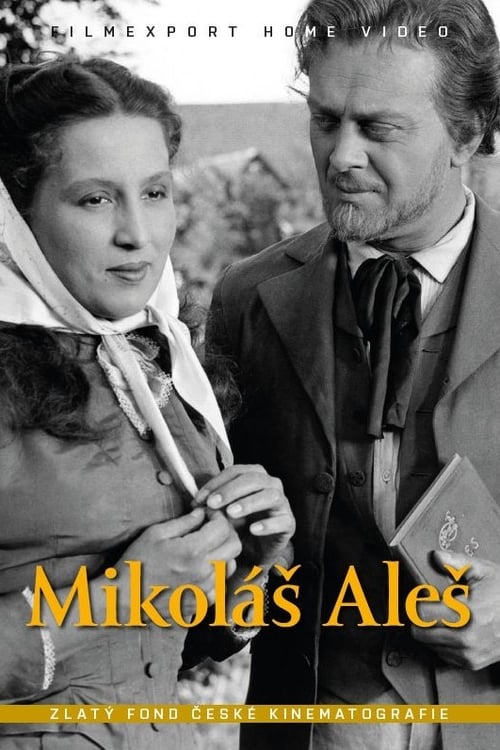
A biographical film about the famous Czech painter Mikoláš Aleš, portrayed as part of the vanguard of the working class and a spokesman for the oppressed, who asserts himself despite the opposing bourgeoisie and reactionaries of all kinds. The film focuses on the period when Mikoláš Aleš participated in the competition to decorate the National Theatre.
The Czech revival movement is divided at the end of the first half of the 19th century. While the older generation, such as František Palacký, urges restraint, students lean towards radical positions. A report on the revolutionary events in Paris prompts Czech Prague residents to write down the demands of the Czech nation for self-determination and the proclamation of a constitution. Tensions peak during the All-Slavic Congress in Prague's Žofín. Vienna rejects the Czech demands and the congress is brutally dispersed by the Austrian police. Prague begins to build barricades...

Elén, a girl living with her mother and stepfather in a secluded forest, has a great singing talent. On her twenty-first birthday, she runs away from home and on the train, millionaire René falls in love with her. Their paths soon diverge, only to be reunited soon after. Violinist Pavel Sedloň falls in love with Elén, and although Elén does not love him, she is determined to marry him. At that time, René dies, exhausted from working on the operetta Srdce v delirium. However, he is saved at the last moment and everything comes to a happy ending when Oldřich Nový explains how the authors actually meant it all.
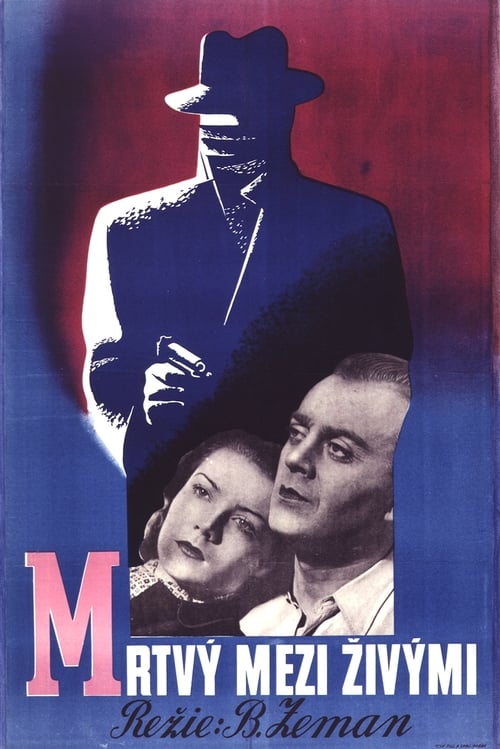
Human bravery can take many forms, just as ideas about it can. Small-town public opinion begins to despise a postal clerk because he gave cash to robbers who didn't hesitate to shoot. The result is a successful study of a man whose previous certainties begin to crumble due to a fateful event.
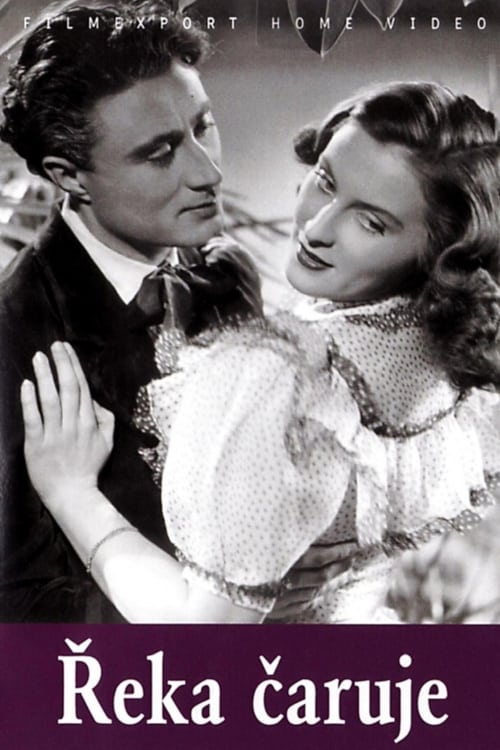
Leopold Kohák married a rich widow a long time ago and now has nothing to do compared to his energetic wife. He's growing old and troubled by the fact that he betrayed his first love Emča and his beloved river Sázava where he spent his childhood and youth. A visit from an old friend Lebeda brings it all back to him. After a nervous breakdown Leopold secretly visits his home instead of going to the spa. A wandering tramp suggest Leopold should bathe in the magical waters of the Sázava, and slowly his youth returns to him.
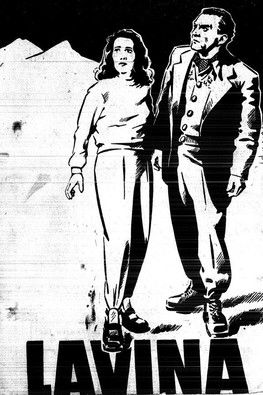
An ambitious and selfish lawyer confesses to the murder of his first wife. Some of the scenes were filmed in the last weeks of the war.
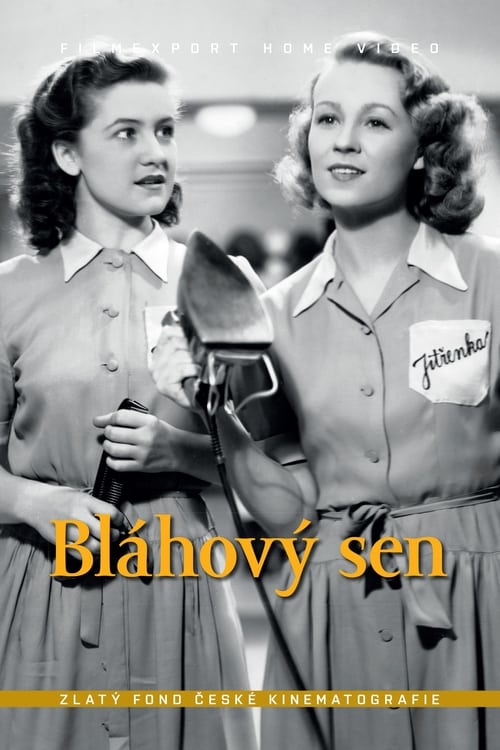
Hairdresser Žofka Stárková desires fame perhaps more than other girls. The petty plans of her fiancé František do not satisfy her wild imagination. Žofka suddenly gains popularity when, while on her way to get an autograph, she discovers the dead body of the famous tenor Helbich and is arrested on suspicion of murder. Helbich actually committed suicide because he lost his voice. After being released from prison, Žofka receives an offer for the lead role in a forthcoming film. The dubious fame confuses her. She leaves her parents' modest apartment and quits her hairdressing business. Unfortunately, it soon becomes clear that she has no talent for acting, and the desperate director has the film edited in such a way that Žofka practically disappears from it...
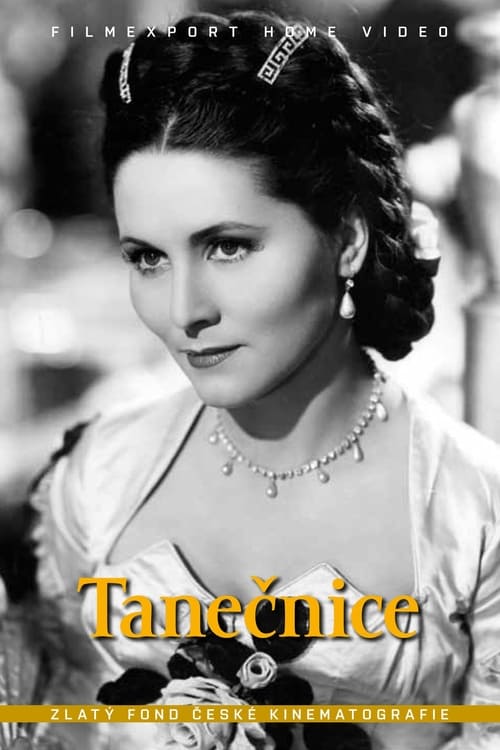
The bourgeois family does not forgive, from her point of view, inappropriate behavior - contempt overtakes both the girl who decides to dedicate her life to dancing and her sister, who takes in her child, passing it off as her own. The sinister lesson is that even the greatest career cannot compensate for lost maternal love...
Subscribe for exclusive insights on movies, TV shows, and games! Get top picks, fascinating facts, in-depth analysis, and more delivered straight to your inbox.