
Action
Adventure
Animation
Comedy
Crime
Documentary
Drama
Family
Fantasy
History
Horror
Music
Mystery
Romance
Science Fiction
Thriller
War
Western

Anne Teresa, Baroness De Keersmaeker, born 1960 in Mechelen, Belgium, grew up in Wemmel) is a contemporary dance choreographer. The dance company constructed around her, Rosas (dance ensemble), was in residence at La Monnaie in Brussels from 1992 to 2007.
Explore all movies appearances
No plot available for this movie.
The mavericks whose radical ideas created modern dance in the 20th century.
A poetic portrait of the world-renowned Ballet de l'Opéra national de Paris as they mount a new work by famed contemporary choreographer Anne Teresa De Keersmaeker, Rain is a formalist exercise in documentary filmmaking that at times resembles long lost outtakes from The Red Shoes.
"Fase" consists of three duets and one solo dance, choreographed to four repetitive compositions by the American minimalist musician, Steve Reich: Piano Phase, Come Out, Violin Phase and Clapping Music. Reich allows his tones to gradually shift in rhythm and melody and between the instruments. The choreography applies the same phase-shifting principle. The purely abstract movements are executed so perfectly that they seem almost mechanical and yet affect us in a strange way.
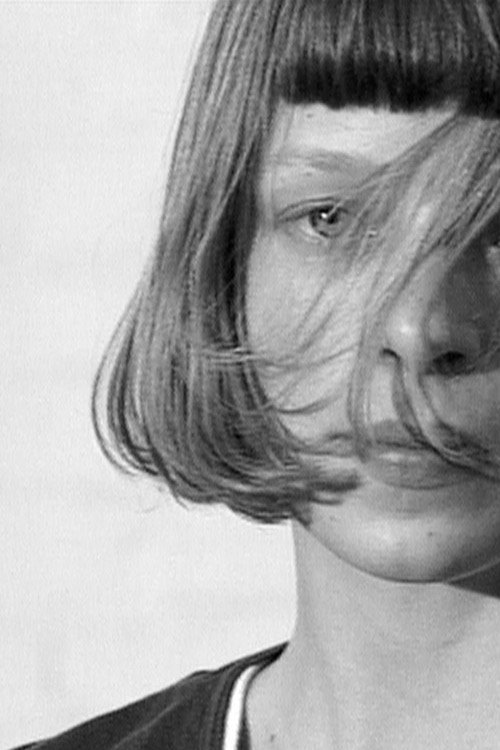
A video essay about the rehearsal process of the dance performance Mozart / Concert Arias, un moto di gioia, a choreography by Anne Teresa De Keersmaeker and Rosas, which premiered at the Festival d’Avignon in July 1992.
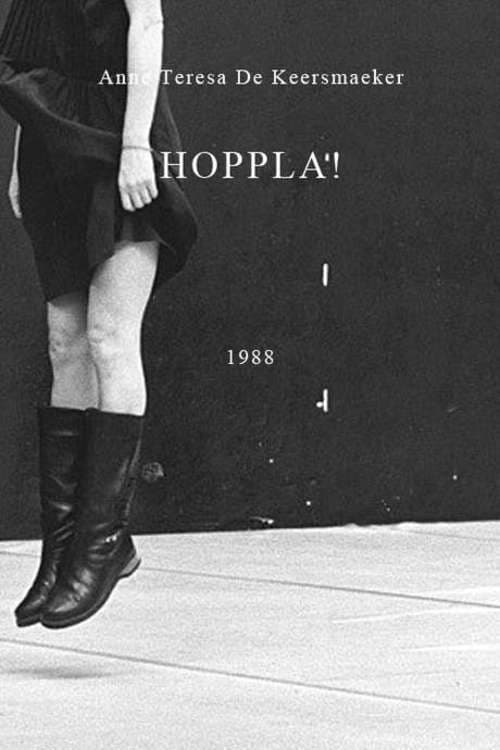
In Hoppla!, two choreographies by Anne Teresa De Keersmaeker are brought together and performed to the music of the Hungarian composer Béla Bartók: Mikrokosmos, seven short works for two pianos, and Quatuor no. 4, Bartók’s fourth string quartet. The reading room of the Ghent University library, designed by the renowned architect Henry Van de Velde, serves as location.
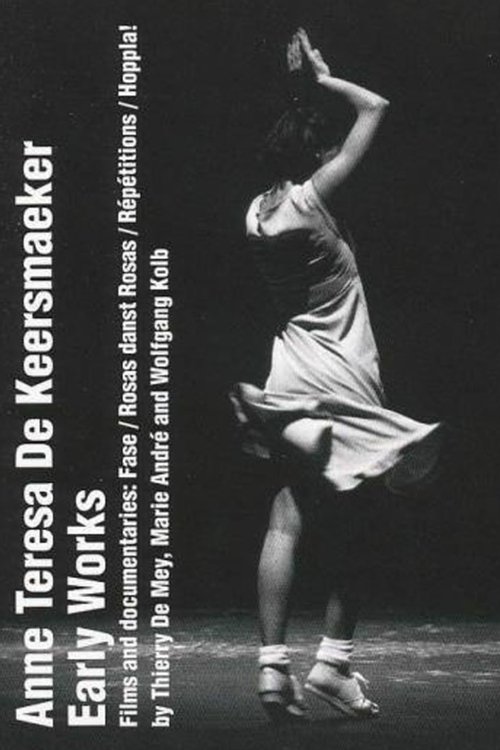
Episode of the Belgian Flemish Television (BRT) program Het Gerucht on the development of Anne Teresa De Keersmaeker's choreography "Bartók/Aantekeningen" (in English: "Bartók/Annotated"), created in 1986 for four dancers from the company Roses . "Bartók/Aantekeningen" is the fifth work by Anne Teresa De Keersmaeker, after "Ash" (1980), "Fase, Four Movements to the Music of Steve Reich" (1982), "Rosas danst Rosas" (1983) and "Elena's Aria". "(1984).

In Violin Fase, Eric Pauwels twirls the camera around the body of dancer and choreographer Anne Teresa de Keersmaeker. Through this process, Pauwels creates a new relationship between camera and dancer, but also between body and dance, dance and cinema. Consisting of a geometrical and minimalist choreographic structure filmed in four uninterrupted takes, the artist’s camera captures a woman dedicated to exploring the boundaries of physical exhaustion.
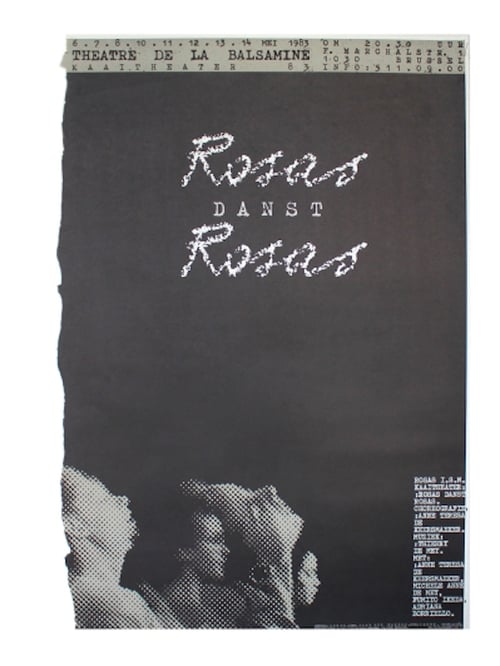
A short documentary about the creation process of Rosas danst Rosas, the performance that forced Anne Teresa De Keersmaeker’s international breakthrough and has become a benchmark in the history of postmodern dance. This documentary, directed by Stefaan Decostere for the BRT cultural programme Het Gerucht [The Rumour, ed.], uses fragments of rehearsals and interviews with De Keersmaeker and composer Thierry De Mey, offering a glimpse of the choreographic creative process in which repeated abstract movements play a key role.
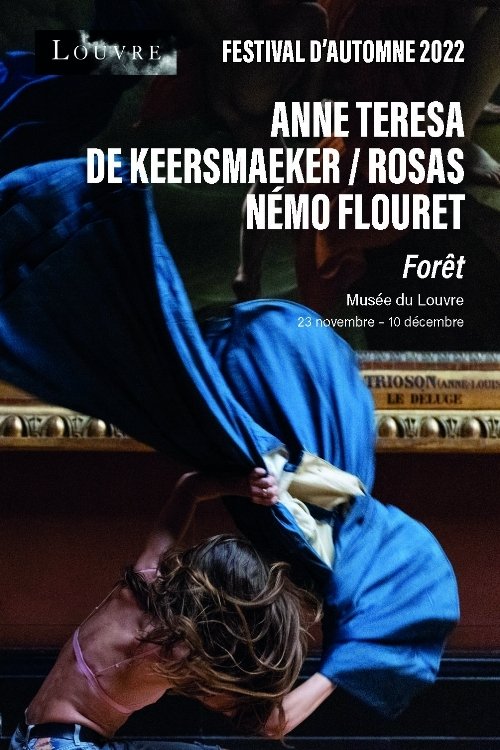
Whirlwinds, burning forests, erased cities – the centuries-old artworks housed in the Louvre strongly resonate with our present time. Forêt follows a new generation of Rosas dancers moving amidst these artworks, bridging past and present. Choreographed by Anne Teresa De Keersmaeker and Némo Flouret in 2022, the performance was designed for the Louvre’s Grande Galerie and its famed 'red rooms,' home to Italian masterpieces and 19th-century French Romantic art. Evi Cats captured this performance, with a camera that moves almost imperceptibly between the dancers and the audience, alternating between intimate close-ups and wide shots of the imposing scenery.
Subscribe for exclusive insights on movies, TV shows, and games! Get top picks, fascinating facts, in-depth analysis, and more delivered straight to your inbox.