
Action
Adventure
Animation
Comedy
Crime
Documentary
Drama
Family
Fantasy
History
Horror
Music
Mystery
Romance
Science Fiction
Thriller
War
Western
Explore all movies appearances

Film production supported by the British occupation forces as part of the Re-Orientation Program. Set in post-war Germany, the film tells the story of the Stadtmeier couple, who are on their way to visit their relatives in the countryside to "hoard" food.
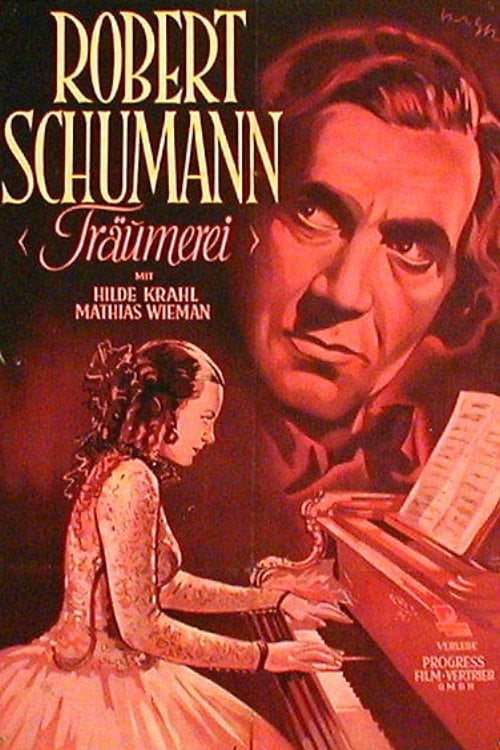
A musical film based on biographical facts about Clara Wieck's love for composer Robert Schumann (1810-1856), her marriage against her will, Schumann's triumph, and his tragic end due to mental illness. The film is beautiful and entertaining, full of noble spirit and beautiful words about art and love, which only conflict in a theoretical context; not least thanks to its solid cast, this film is quite serious and far from kitsch. Completed in 1944, during World War II, the film was rejected by the Nazi leadership, but was eventually released and enjoyed success with an audience already weary of war.
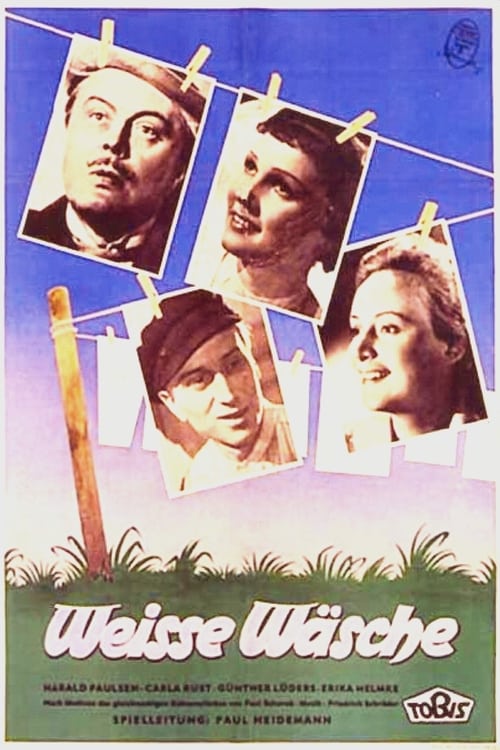
No plot available for this movie.
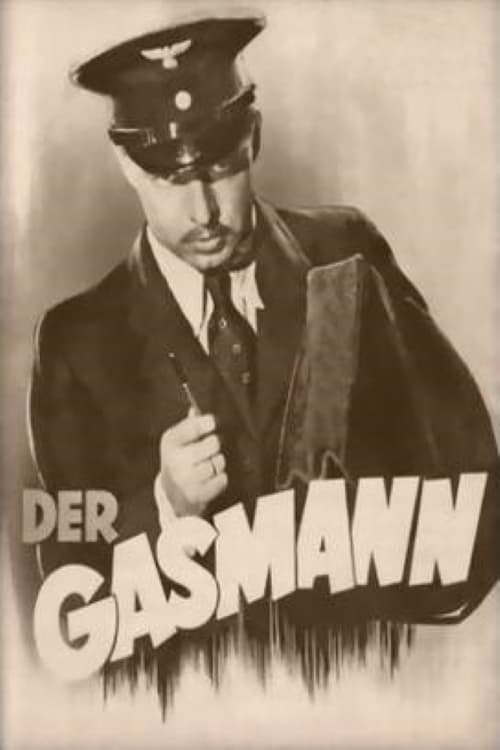
A man comes into money unexpectatly. That's when the trouble starts.
The formerly wealthy Baron Carl Erich von Wenden is desperate. His debts are out of control and he is forced to give up everything he owns. Since he doesn’t want to burden his daughter Rosy with all of this, he tells her he’ll take a pleasure trip with her … in truth, however, he has to work as an assistant waiter in the evenings, while Rosy stays in the hotel. He constantly fears his daughter will discover the truth; and this is a shame he cannot bear.
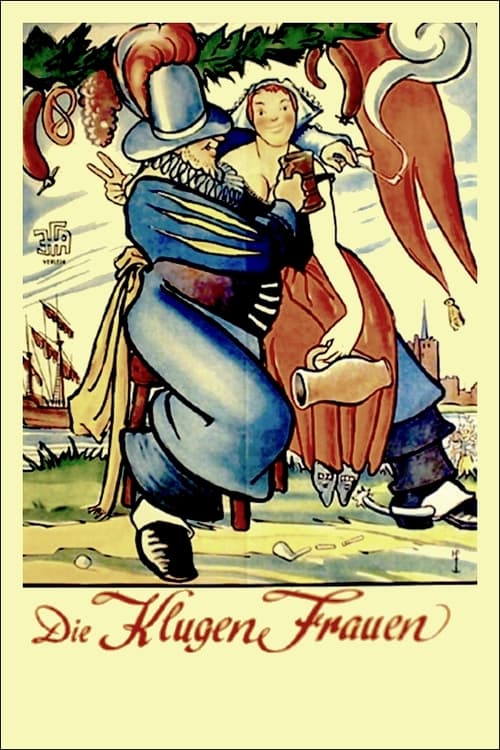
Flanders, Hispanic Monarchy, 1616. The inhabitants of the small town of Boom are busy organizing the annual local festivities when the arrival of the Duke of Olivares, who rules the country on behalf of the King Philip III of Spain, is announced. While the male citizens cowardly surrender to panic, the brave female citizens decide to become the best hosts the Spaniards can ever meet. (German version of the French film La Kermesse héroïque, 1935.)
a movie by Heinz Paul
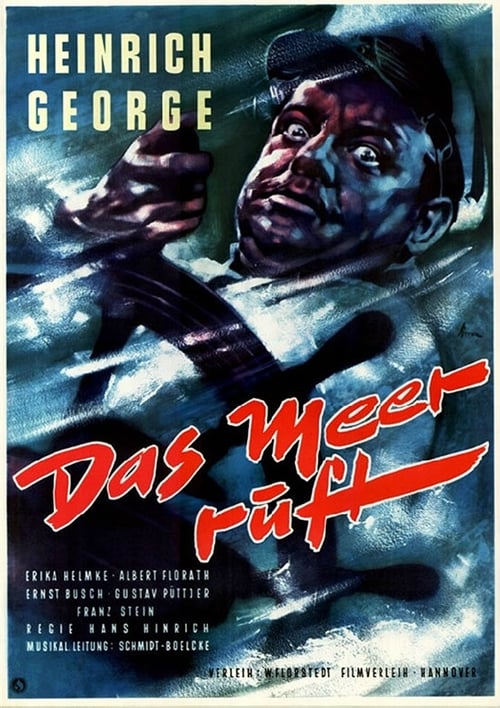
The Baltic captain Terje Wiggen works as a pilot on the island of Muhu. When the mate of the ship “Carola” calls in sick, he jumps at the chance of reviving his life as a sailor. WWI breaks soon after the departure. By and by the ship’s company gets worn down by dead calm. On account of the plague-ridden captain, Wiggen disposes of the contaminated water reserve. Discontent among the crew rises until they take the sole lifeboat and leave their mate behind. Wiggen unsuccessfully tries to bring the ship under control. At the last minute he is rescued off the Japanese coast. At his return he promises to never leave his wife and child again. But the German Imperial Navy begins to blockade the waterways of the island. Wiggen paddles to Sweden with the intention of smuggling provisions for his family. On his way back he is detained by a German captain. After five years of imprisonment he returns to Muhu once more. Wiggen is hellbent on vengeance. (Deutsche Kinemathek)
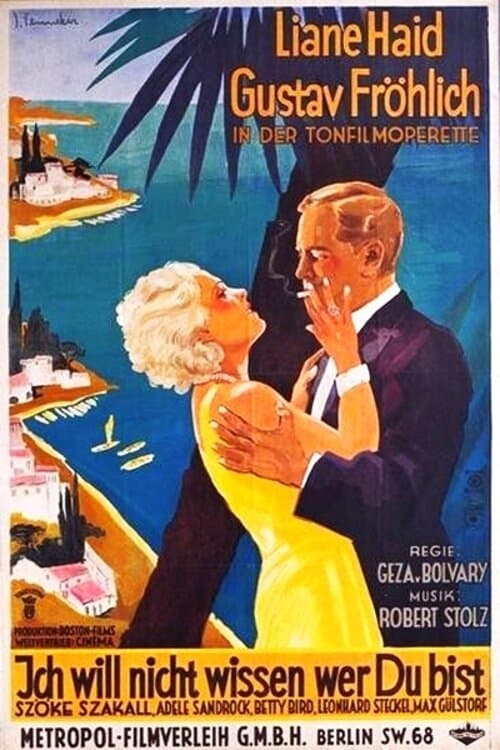
An impoverished count has to work as a chauffeur but because of his good looks attracts women, one of them wealthy enough to solve his problem.
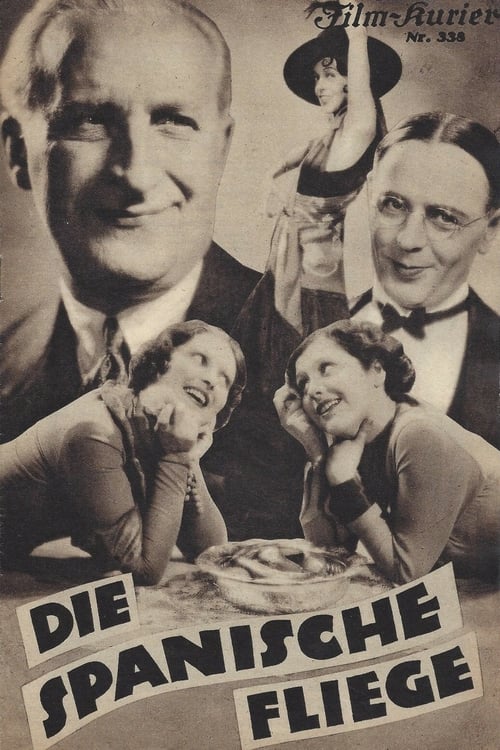
As a young man, mustard manufacturer Ludwig Klinke had an affair with a dancer, the “Spanish Fly”. The dancer had a son and Klinke has been secretly paying maintenance ever since. Wimmer and Tiedemeier also had a relationship with the dancer. With the appearance of the dancer's supposed son, Heinrich Meisel, chaos breaks out.
Subscribe for exclusive insights on movies, TV shows, and games! Get top picks, fascinating facts, in-depth analysis, and more delivered straight to your inbox.