
Action
Adventure
Animation
Comedy
Crime
Documentary
Drama
Family
Fantasy
History
Horror
Music
Mystery
Romance
Science Fiction
Thriller
War
Western
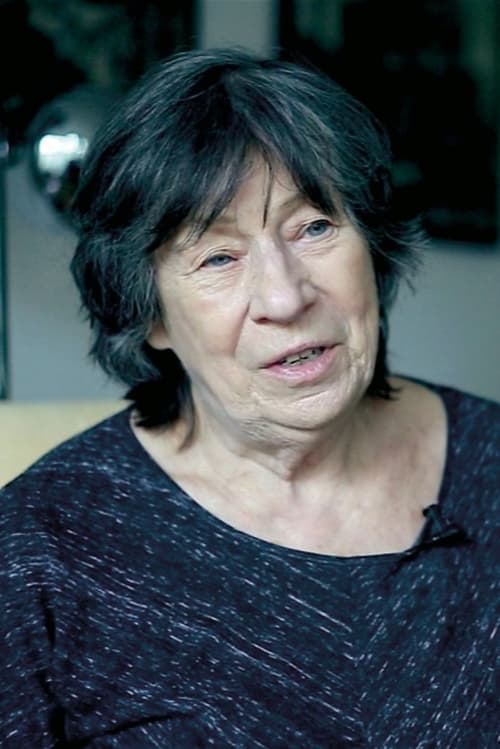
Laura Mulvey is a British feminist film theorist. She was educated at St Hilda's College, Oxford. She is currently professor of film and media studies at Birkbeck, University of London. She previously taught at Bulmershe College, the London College of Printing, the University of East Anglia, and the British Film Institute. Mulvey is best known for her essay, "Visual Pleasure and Narrative Cinema",...
Explore all movies appearances
No plot available for this movie.
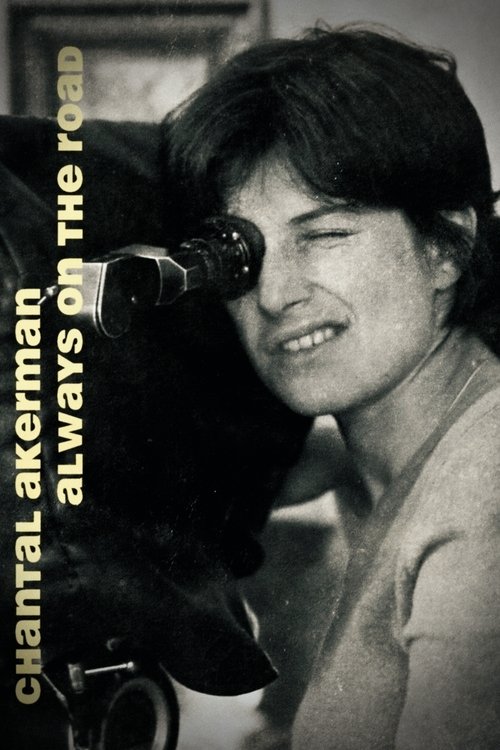
An analysis of the work of Belgian filmmaker Chantal Akerman (1950-2015), an experimental and innovative artist, both in content and form, who has left her mark on cultural memory and on the creations of other artists.
Investigates the politics of cinematic shot design, and how this meta-level of filmmaking intersects with the twin epidemics of sexual abuse/assault and employment discrimination against women, with over 80 movie clips from 1896 - 2020.
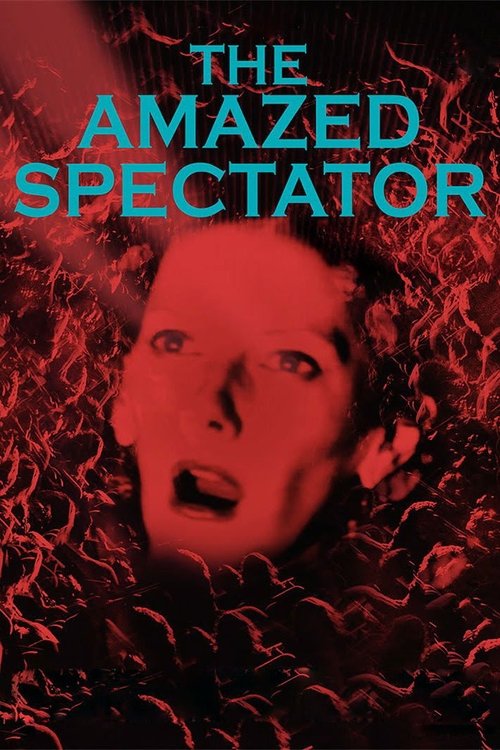
A kino-investigation about spectatorship, a continuous conversation between different kinds of spectators: which one is more cinema: Citizen Kane on a mobile phone or a football game projected in a cinema theatre? What is the cinema of uncertainty? How many kinds of amazement exist? Does fear and belief precede amazement? What are the rights and duties of the spectator? Is the essay film a manifesto against voyeurism? Should spectators be paid? What amazes the spectator of this day and age?
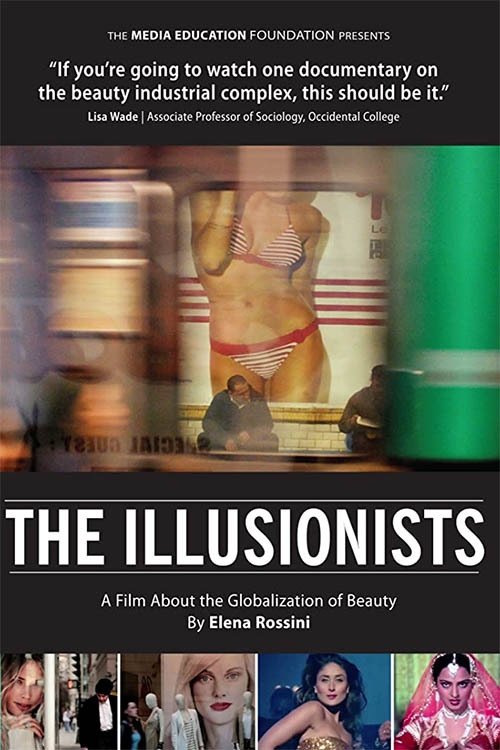
Sex sells. What sells even more? Insecurity. Multi-billion dollar industries saturate our lives with images of unattainable beauty, exporting body hatred from New York to Beirut to Tokyo. Their target? Women, and increasingly men and children. "The Illusionists" turns the mirror on media, exposing the absurd, sometimes humorous, and shocking images that seek to enslave us.
A series of interviews about the film Peeping Tom (1960). It includes a rare interview with Karlheinz Böhm talking about his role and its subsequent effect on him.
Home movies shot on Super 8mm by W+B Hein over 10 years.

A exploration of the origin, theory, philosophy and themes of Stephen Dwoskin's films from 1963 to 1984.
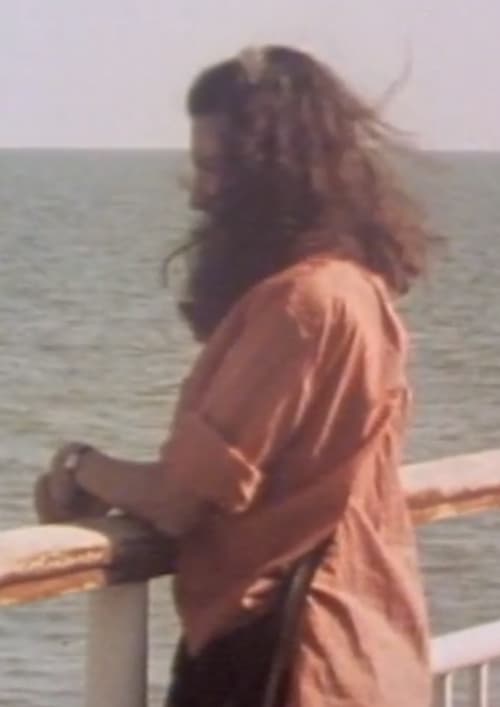
Inspired by Virginia Woolf, a young writer worries that marriage will hinder her literary ambitions. The film includes extracts from Virginia Woolf's novel To the Lighthouse and her essay Professions for Women, both read by feminist filmmaker and theorist Laura Mulvey.
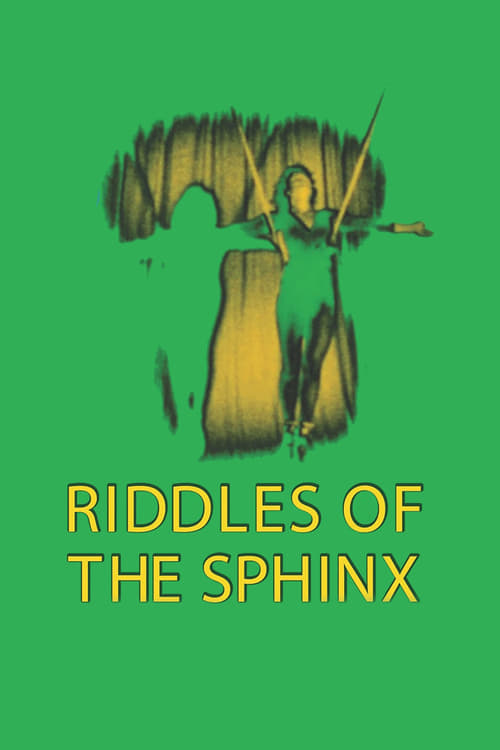
In this avant-garde classic, protagonist Louise deals with a change in her lifestyle in which she must learn to negotiate domestic life and motherhood.
Subscribe for exclusive insights on movies, TV shows, and games! Get top picks, fascinating facts, in-depth analysis, and more delivered straight to your inbox.