Action
Adventure
Animation
Comedy
Crime
Documentary
Drama
Family
Fantasy
History
Horror
Music
Mystery
Romance
Science Fiction
Thriller
War
Western
Explore all movies appearances
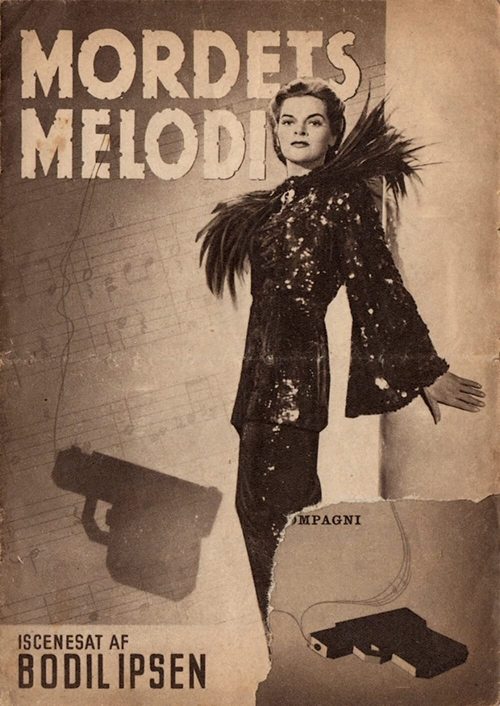
A woman is found strangled in her shop. Shortly after, another murder is committed. Perhaps the most terrifying is that the both girls' name is Sonja. The police is convinced it's the same killer and at each scene is heard a woman singing the same song. A song which is soon dubbed the 'murder melody.'
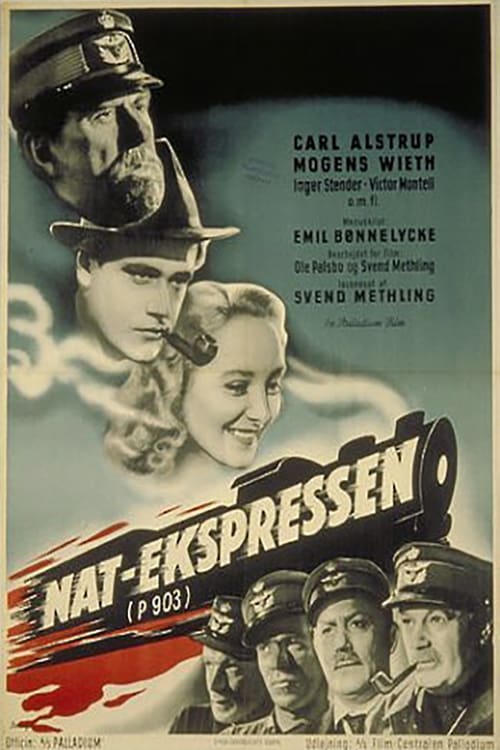
One night there is a terrible accident in the little station town of Bredsted. The young son of the rich Mogens Kragfelt is struck by the Natekspressen (P. 903) near the station. Police chief Aagesen sends the young detective officer Lund (Jørn Jeppesen) to investigate the case, where there are various mysterious circumstances, among other things there are traces of fights at the rails just where Kragfelt was crossed.
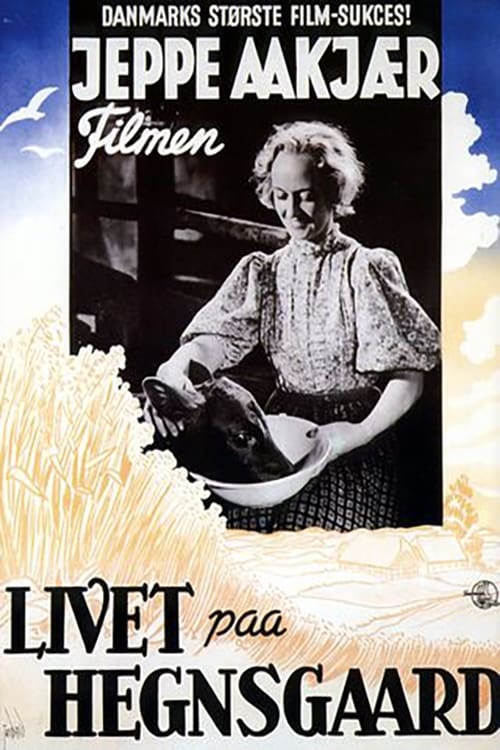
Also known as Life on the Hegn Farm, this domestic drama is based on a popular novel by Jeppe Aakjear. Simple in the extreme, the story concerns the romantic travails of country lass Trine (Karen Nellemose), who is being forced into a wealthy marriage to a man she does not love.
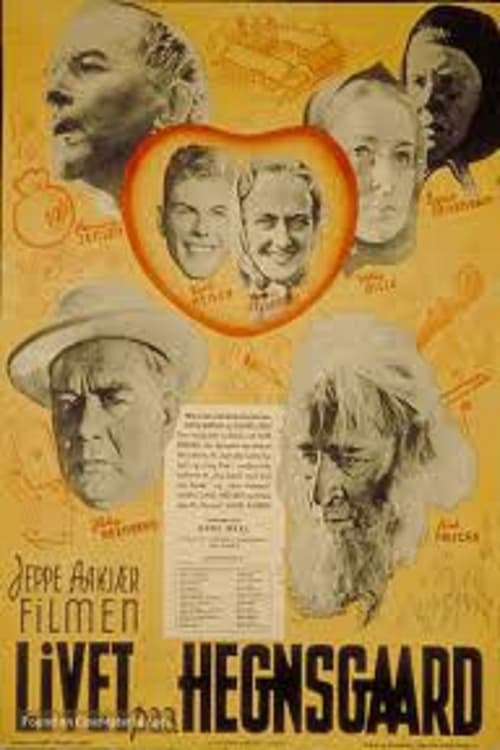
On the Jutland heath near Salling lies Hegnsgaarden. Here reigns the tyrannical and brutal owner Wolle Rævsgaard. His wife Karen has been forced by her father to marry Wolle, although she loves someone else, the poor Per Søwren. When Per sees the love of his life disappear, he marries Ane, a vicious and harsh woman who, because of Per's love for his beloved books, sets fire to their poor house in jealousy, which then burns to the ground. After this episode, Per begins to drink. But wherever he goes in the area, he is welcome. His always good mood brightens up and makes people happy, except at Hegnsgaarden. Wolle has not forgotten that it was Per who was Karen's lover. 15 years have passed and Trine, daughter at Hegnsgaarden, has grown up and become a pretty young girl.
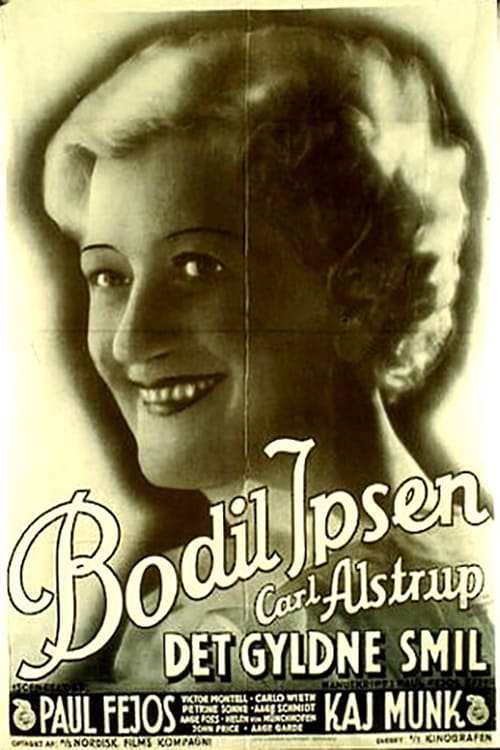
The celebrated operetta prima donna Elsa Bruun is famous nationwide for her amazing smile. One day she is approached by a shabby man who pushes a script on her. Without wanting to, Elsa becomes deeply involved in the story, which becomes her path to a renewed understanding of life, which must be lived out even if it may cost her trademark: the golden smile.
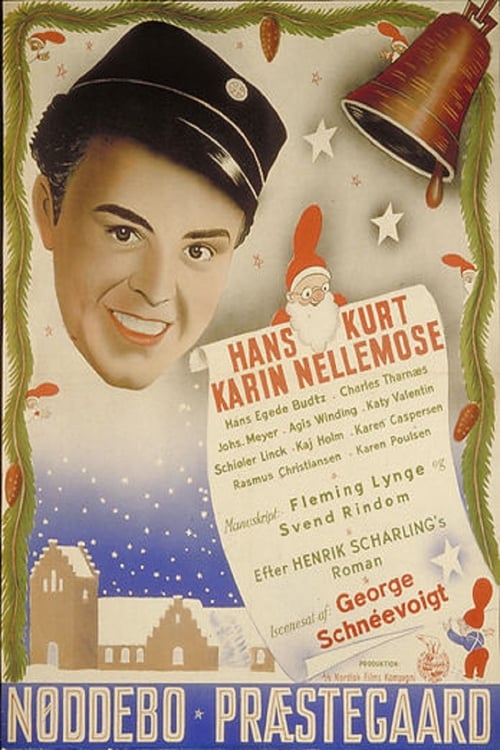
Christmas at an old rectory in the countryside – it's Christmas! And the three student brothers, "Gamle", "Corpus Juris" and Nicolai, are delighted to receive an invitation to spend Christmas with the priest in Nøddebo. The fact that there are also a couple of young daughters in the rectory naturally makes it all even more enjoyable. It's the first time Nicolai has gone along, so he knows nothing about his older brothers' infatuation with the two girls and falls head over heels for them, assuming that they can't handle his charm either. Things don't quite go his way now, because he finds himself pursued everywhere by the anything but pretty Maldrubine, whose warmest interest is the pleasures of the table.

A propaganda film for the Danish Trade and Office Assistants' Association about the working conditions of office assistants in the fictional town of Æbleby. Likely not complete. The film's title sign 'The Demands of the Times' is missing.
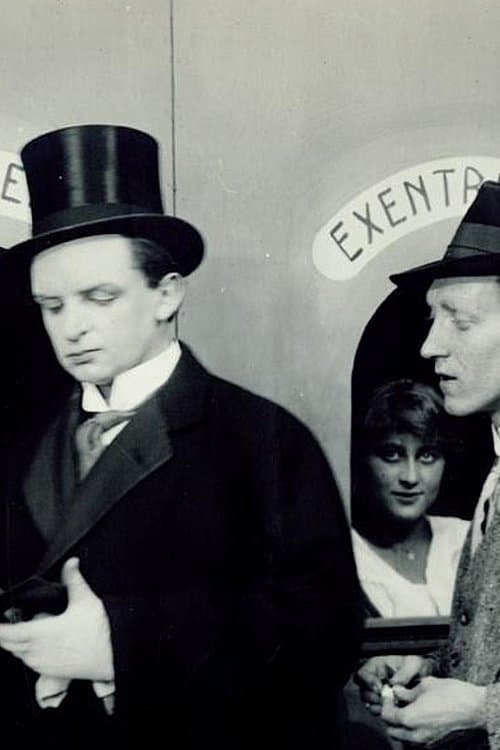
FRAGMENT | Mac Davis runs a small press agency through which he conducts all sorts of shady business. Together with his helpers Clark and Durkins and his girlfriend Ellis he ruthlessly hustles through life. One day, the gang has a fight, and while Clark is thrown out, Durkins and Ellis decide to run away and start a new, righteous life together. Unfortunately, things don't go exactly as planned. (stumfilm.dk)
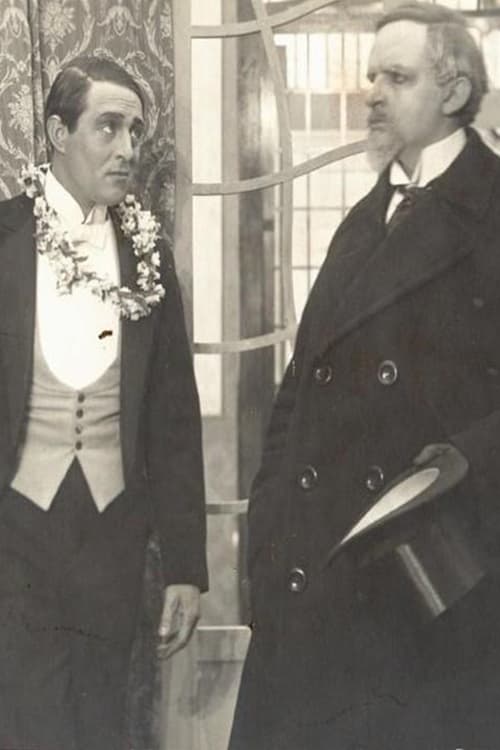
After a misspent youth on the wrong side of the law, Teddy finally meets a woman capable of making him break with the past and settle down. Unfortunately, his debt to a loan shark has forced him to pledge part of his future wife’s dowry. When it turns out that his father-in-law has decided to pay the dowry in smaller instalments and will not pay out a lump sum until after three years of marriage, Teddy finds himself in serious trouble. (Stumfilm.dk)
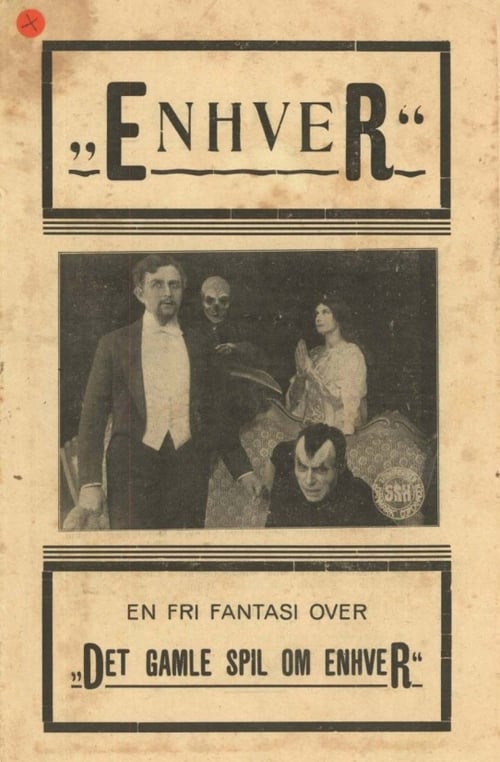
In 1911 the German poet Hugo von Hofmansthal wrote a new version of the medieval morality play Everyman, and this was staged in Danish translation at the Royal Theatre in Copenhagen in 1915. At the time, it was radical example of symbolist abstraction. Its success inspired a film version, Enhver [Everyman], directed by Vilhelm Glückstadt for Filmfabrikken Danmark. The film, however, was set in a modern-day environment. It depict the moral choice confronting its protagonist at struggle because two attendant spirits, one good and one bad. The protagonist is tempted by dark figure of evil and succumbs, rejecting God and leading a life of iniquity, but he is then haunted by guilty visions until he finally dies, asking God for forgiveness at the last moment.
Subscribe for exclusive insights on movies, TV shows, and games! Get top picks, fascinating facts, in-depth analysis, and more delivered straight to your inbox.