Action
Adventure
Animation
Comedy
Crime
Documentary
Drama
Family
Fantasy
History
Horror
Music
Mystery
Romance
Science Fiction
Thriller
War
Western
Explore all movies appearances
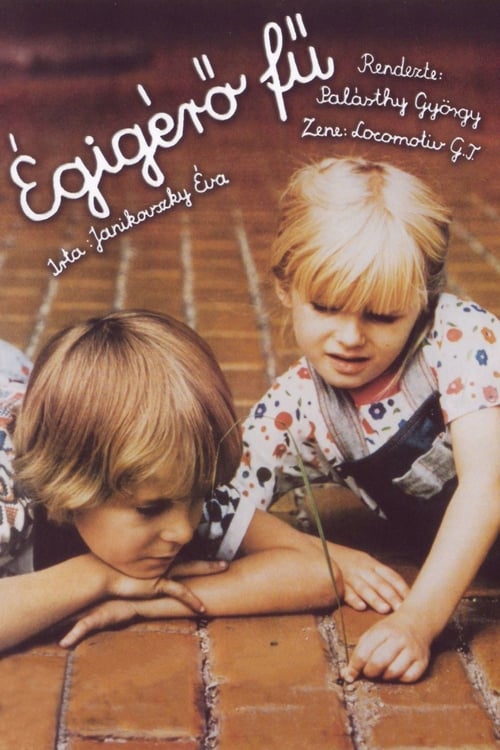
Misu is spending his summer holiday in an old block of flats in Budapest. The caretaker of the house, Poldi, a park attendant by occupation, is going to retire in a few days and he is afraid to think ahead of the years to come without grass and trees. An idea comes to Misu to spend the summer in an active way. He organises a working party to sod the inner court of the block of flats they live in. To achieve his plan, he has to make alliances with some people and to win the opponent to the idea, namely Kamilla, an insurance consultant. Their assistants in this mission will be the dustman and the coal deliverer and Piroska, a girl spending her holyday at Kamilla's.

Three short stories around the number 12. A postman, a taxi driver and a photo developer connected to 12 on different ways.

No plot available for this movie.
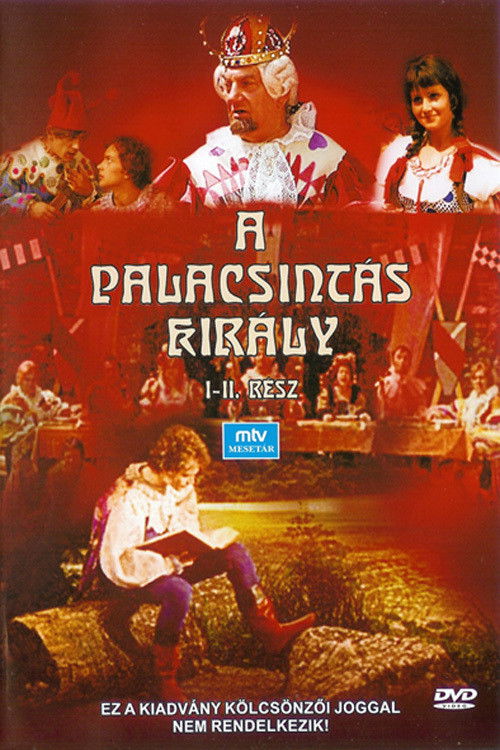
King Tobiah, the ruler of the country of Dinom-danom, announces a pancake-making competition for the girls of the area. He is supposed to give his son to the one who makes the best pancakes. As it is in fairy tales: the enterprising girls all fail. Not so for Pigeon-eyed Ladybird, who wins the competition, but she doesn't want the prince... Meanwhile, Derelye, the evil chef who is destroying countries with his gang, is plundering the larder of the country of Dínom-dánom, but Prince Elias (Lajos Balázsovits) is determined to put an end to the wastefulness and thievery. He is aided by Csöröge, the loyal fool, and the pancake-making skills of Kökényeyűű Katica are of great help in the fight.

"Don't give up your dream" - this is how Demjén Ferenc's song goes and Gyuri darts along the endless fields on a white horse. The young crane-operator lives in a small larder-room, where he has to hang his chair on the wall and the tap drips. He has to share his mornings with his two dream "man-hunters", his father and his brother, who feel that he does not belong to them because of his desires and ambitions.
No plot available for this movie.
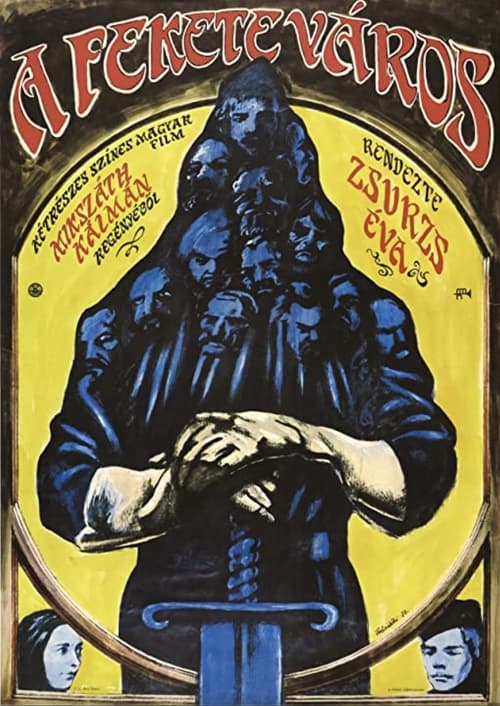
Feature film version of the 1971 series. On the eve of the 18th century, County Vicecomes Görgey Pál broods alone in his manor while the town of Leutschau celebrates New Year’s with lead‐casting omens and a disastrous hunt that sparks a bitter feud. As Görgey fights for his honor and life, and the townspeople defend their Saxon privileges, their mutual blind ambition prevents them from seeing the rising light of Rákóczi’s coming rebellion.
The bitter film grotesque focuses on a Socialist Mafioso. Vágó, the enthusiastic young propagandist is put up at Apuka (Daddy) of the outskirts, Dávid. In the hands of Apuka everything becomes money and he skilfully avoids inspection and controls. In order to help his little family, he sells his rabbit husbandry as mutton, he practises usury on and blackmails his tenants, their rooms are operated as cigar stores.
Ferenc Molnár's cartoons, published in various newspapers in the 1920s and 1930s, were not originally intended for performance. The producers of the show brought them to life with great authorial ideas and sparkling dialogues. Some of the scenes, which touch on the bourgeois life of the time in Pest, may be relevant to today's Pest, and promise to entertain the audience.
Igéző portrays the life of the unsociable stranger , András, who arrives at the place of his exile and slowly makes friends with Miska, the charcoal-burner.
Subscribe for exclusive insights on movies, TV shows, and games! Get top picks, fascinating facts, in-depth analysis, and more delivered straight to your inbox.