
Action
Adventure
Animation
Comedy
Crime
Documentary
Drama
Family
Fantasy
History
Horror
Music
Mystery
Romance
Science Fiction
Thriller
War
Western
Explore all movies appearances
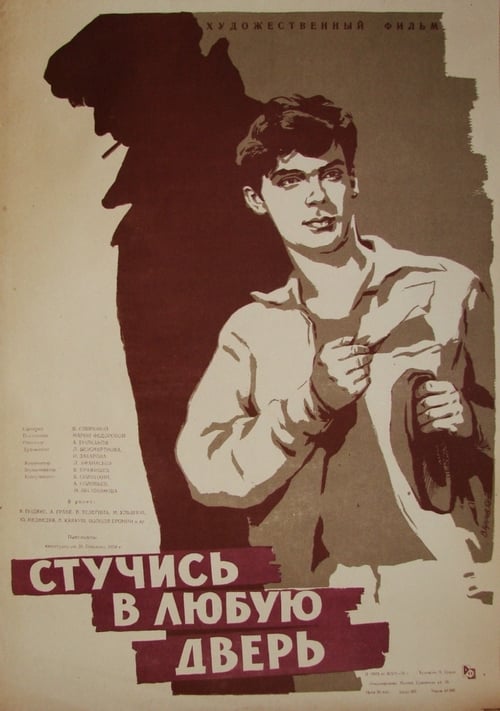
No plot available for this movie.
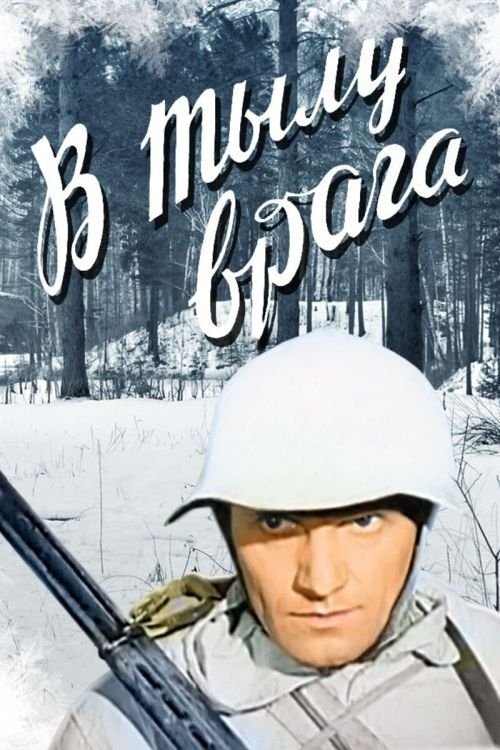
No plot available for this movie.
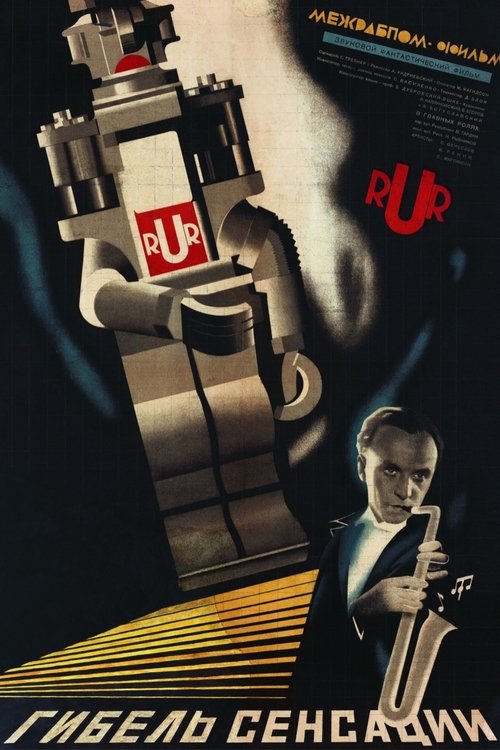
In an unnamed English-speaking capitalist land, a young engineer invents inexhaustible giant robots to replace the fragile human workers on high-volume assembly-lines, and soon finds his invention co-opted by the military-industrial complex.
The cadet Vasya Yarochkin and his girlfriend Olya attempt to catch an escaped stallion named "Intriguer".
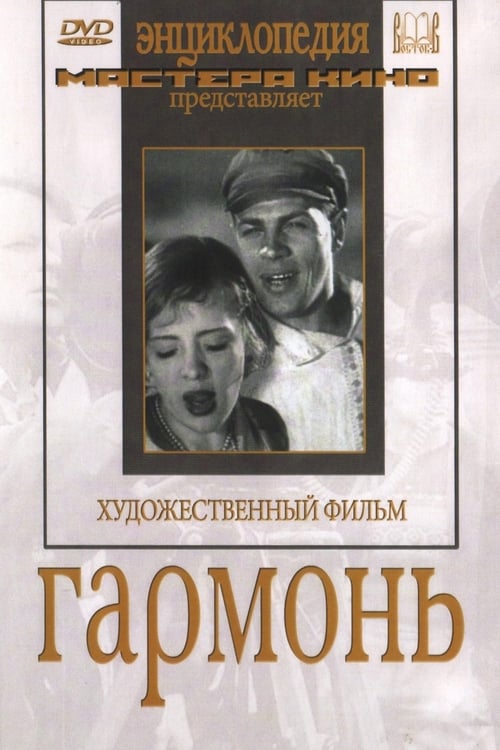
Igor Savchenko's Accordion (Garmon', 1934) was adapted from a poem by A. Zharov. This film sheds light on the reasons why the mass song came into being. In it, the country boy Timosha stops playing the accordion after being chosen leader of the local Komsomol. When he understands that he must compete with the sad kulak songs played by Tlskliby ("Mournful"), he recognizes his mistake in abandoning his accordion, and in the end he gathers the other youths around him with his lively and merry songs.
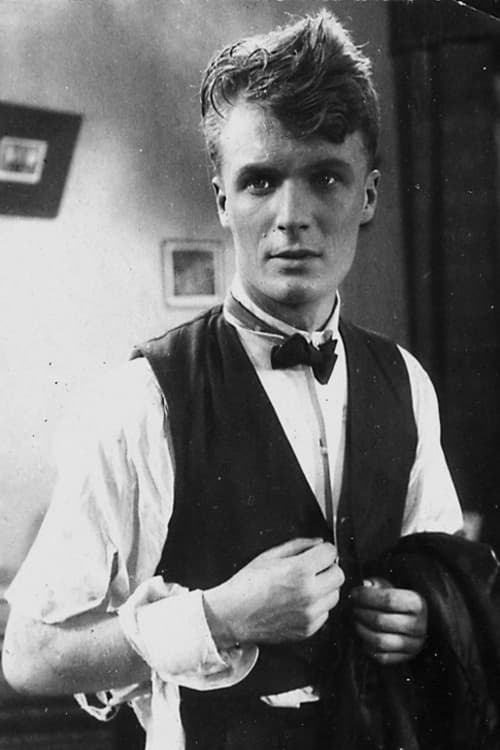
The movie tells about the first years of Nazism. In the center of the plot is a German student graduating from an institute and receiving a diploma with a gold medal for success in science. The same is honored by his Jewish friend Joseph Voltmeyer. During the solemn ceremony, Nazi students provoke a fight, beat Joseph and Ruddy, who stood up for him.
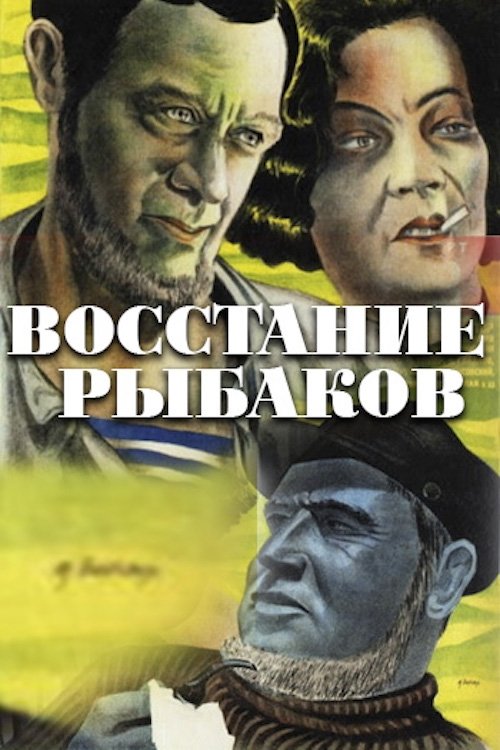
Russian Fishermen from a small village rise up against the entrepreneurs and the buyers, fighting for higher wages for their hard and difficult work.

Working with children led Barskaya to create superb direct sound and an inspired style of shooting. Don’t look for conventional cinematic syntax here. The film is chaotic in the way that Soviet films still knew how to be, and Langlois couldn’t help but be seduced by its rebellious spirit, its anarchy and love of children, comparable to Vigo’s Zero de conduite. As well as being a film made with and for children, it offers a complex take on Western society. Pre-Nazi Germany is not named as such but is carefully reconstructed, possibly under advice from Karl Radek, and children offer a playful reflection of class struggle – doubly excluded, as proletarians and as minors. “They play in the same way that they live”, one intertitle says. The interaction between their comical games and the yet more ludicrous ones played by adults is developed on several levels.
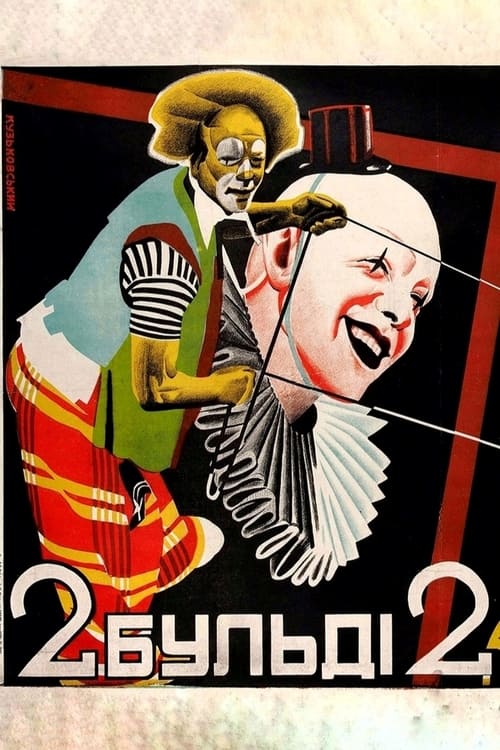
Naturally, the circus milieu of 2 Buldy 2 (1929) encourages stunts. A father and son, both clowns, are to perform together for the first time, but the civil war separates them, and the elder Buldy, tempted for a moment to acquiesce to the White forces, casts his lot with the revolution. At the climax Buldy Jr. escapes the Whites thanks to flashy trampoline and trapeze acrobatics; the gaping enemy soldiers forget to shoot.
Subscribe for exclusive insights on movies, TV shows, and games! Get top picks, fascinating facts, in-depth analysis, and more delivered straight to your inbox.
