
Action
Adventure
Animation
Comedy
Crime
Documentary
Drama
Family
Fantasy
History
Horror
Music
Mystery
Romance
Science Fiction
Thriller
War
Western
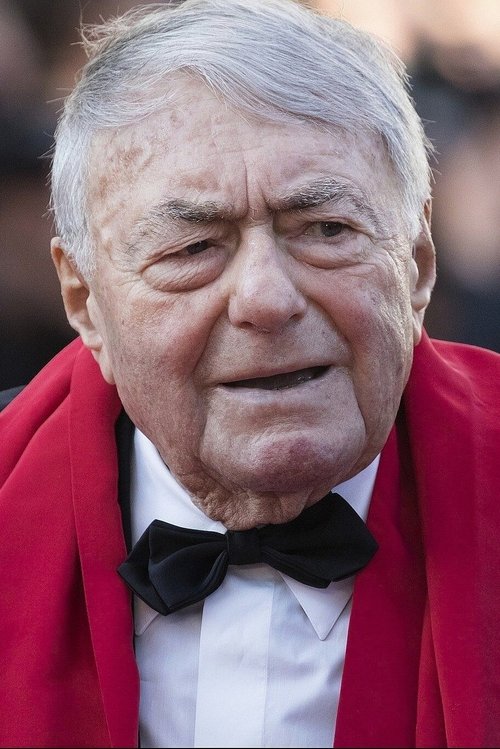
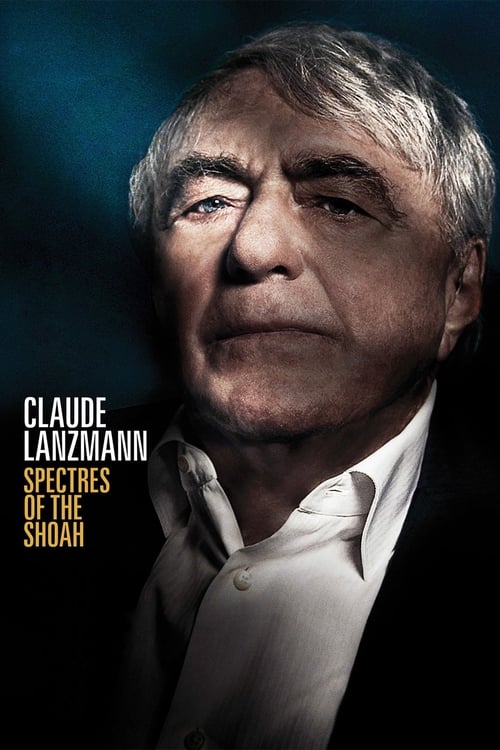
Claude Lanzmann (27 November 1925 – 5 July 2018) was a French filmmaker known for the Holocaust documentary film Shoah (1985). Lanzmann was born on 27 November 1925 in Paris, France, the son of Paulette (née Grobermann) and Armand Lanzmann. His family was Jewish, and had immigrated to France from The Russian Empire. He was the brother of writer Jacques Lanzmann. Lanzmann attended the Lycée Blaise...
Explore all movies appearances

Forty years after the release of Claude Lanzmann’s monumental film Shoah, Guillaume Ribot reveals the director’s relentless pursuit to tell the untold, using only Lanzmann’s words and unseen footage from the masterpiece.
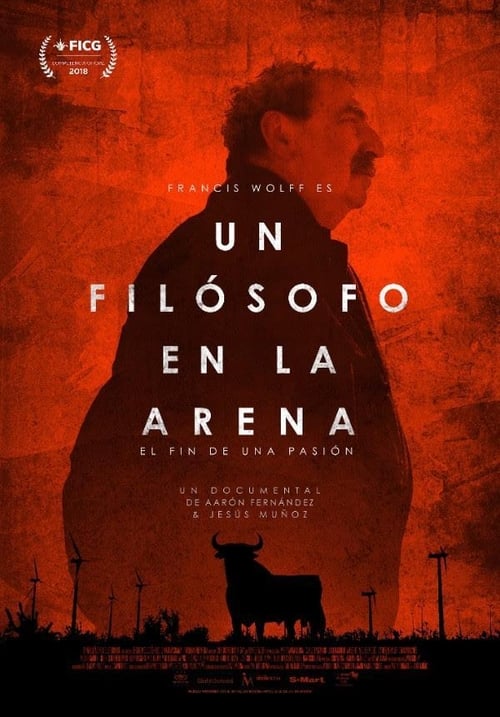
After his retirement, french philosopher and bullfighting enthusiast Francis Wolff decides to embark on a journey to France, Spain and Mexico joined by two mexican filmmakers who hardly know anything about bullfighting, a culture whose days seem to be numbered. During their road trip, they encounter numerous personalities with whom they reflect on mankind’s relationship with animals and nature, but most importantly on our relationship with death and the meaning of the ultimate journey: life itself.
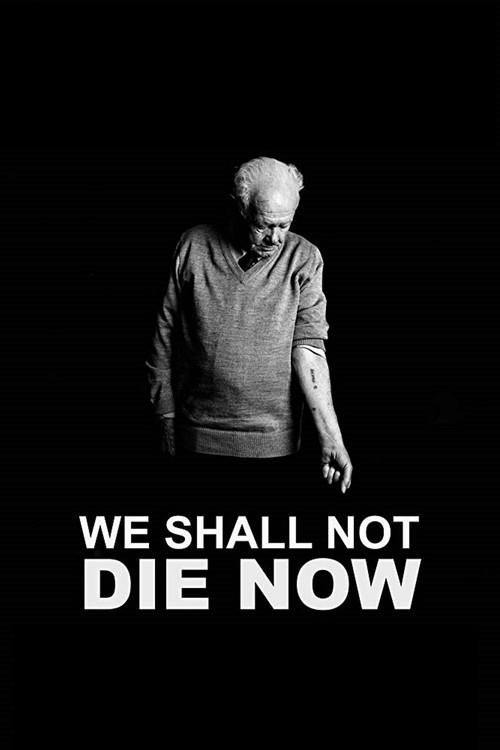
A chronicle of the Holocaust, told by the resilient survivors who lived through it.
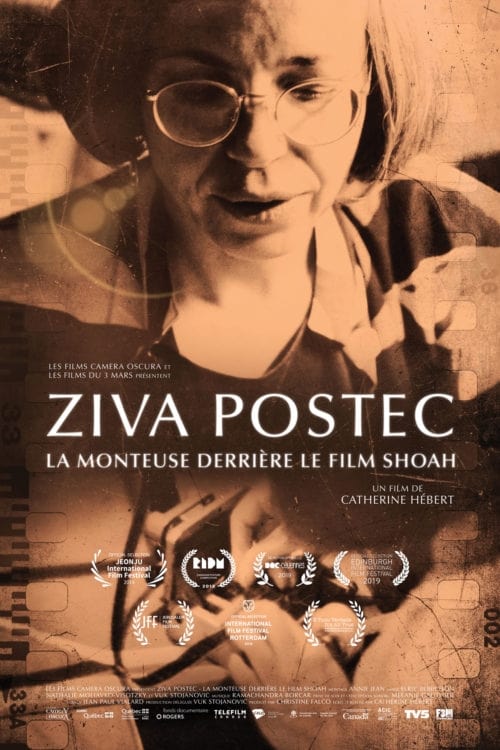
This film tells the life story of Ziva Postec, emphasizing the period when she was editing Shoah from 350 hours of footage.
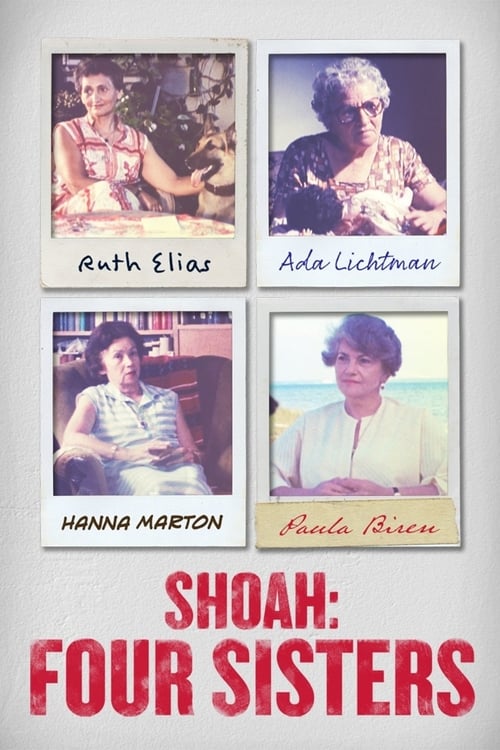
Since 1999, Claude Lanzmann has made several films that could be considered satellites of Shoah, comprised of interviews conducted in the 1970s that didn’t make it into the final, monumental work. He has just completed a series of four new films, built around four women from four different areas of Eastern Europe with four different destinies, each finding herself unexpectedly and improbably alive after war’s end.
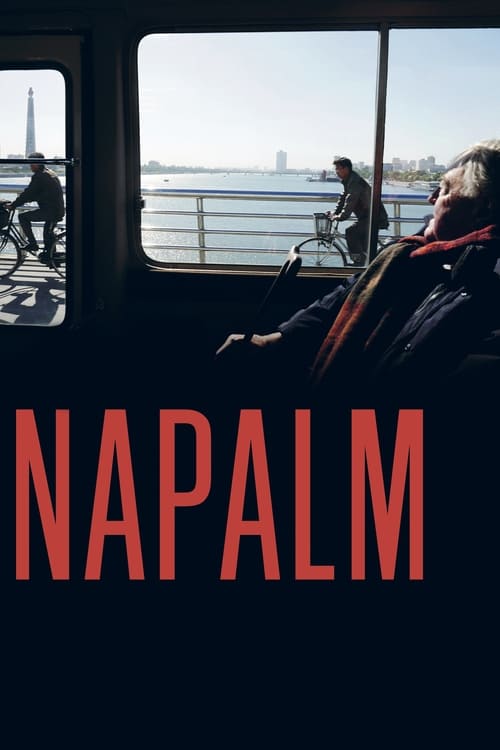
Napalm is the story of the breathtaking and brief encounter, in 1958, between a French member of the first Western European delegation officially invited to North Korea after the devastating Korean war and a nurse working for the Korean Red Cross hospital, in Pyongyang, capital of the Democratic People’s Republic of Korea.
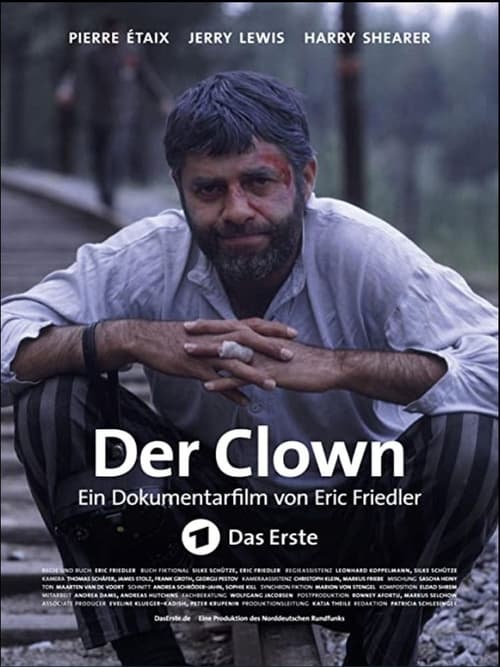
A documentary about Jerry Lewis' never-released movie "The Day the Clown Cried".
The process of making Shoah.
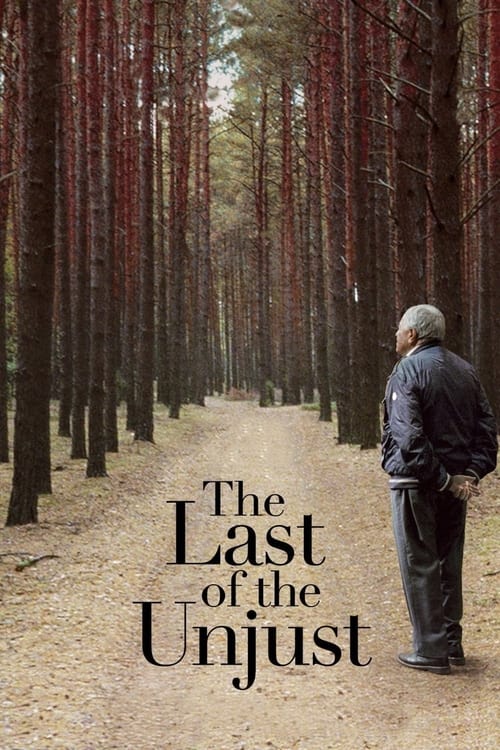
A place: Theresienstadt. A unique place of propaganda which Adolf Eichmann called the "model ghetto", designed to mislead the world and Jewish people regarding its real nature, to be the last step before the gas chamber. A man: Benjamin Murmelstein, last president of the Theresienstadt Jewish Council, a fallen hero condemned to exile, who was forced to negotiate day after day from 1938 until the end of the war with Eichmann, to whose trial Murmelstein wasn't even called to testify. Even though he was without a doubt the one who knew the Nazi executioner best. More than twenty-five years after Shoah, Claude Lanzmann's new film reveals a little-known yet fundamental aspect of the Holocaust, and sheds light on the origins of the "Final Solution" like never before.
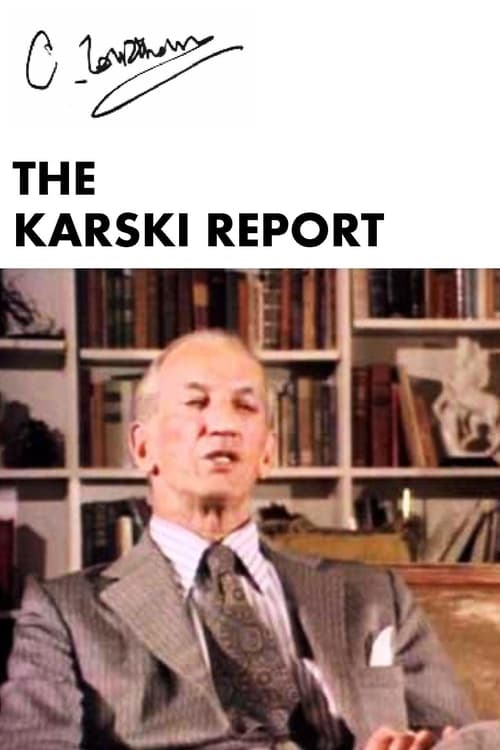
A powerful new film about Jan Karski, the Polish resistance figure who attempted to expose the Warsaw Ghetto and Belzec, and met with President Franklin D. Roosevelt and Supreme Court Justice Felix Frankfurter.
Subscribe for exclusive insights on movies, TV shows, and games! Get top picks, fascinating facts, in-depth analysis, and more delivered straight to your inbox.