
Action
Adventure
Animation
Comedy
Crime
Documentary
Drama
Family
Fantasy
History
Horror
Music
Mystery
Romance
Science Fiction
Thriller
War
Western
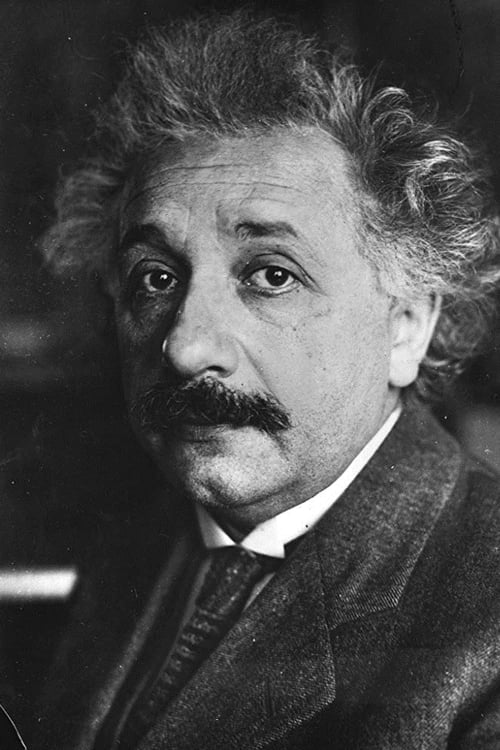
Albert Einstein (14 March 1879 – 18 April 1955) was a German-born theoretical physicist who developed the theory of relativity, one of the two pillars of modern physics (alongside quantum mechanics). His work is also known for its influence on the philosophy of science. He is best known to the general public for his mass–energy equivalence formula E = mc2, which has been dubbed "the world's most f...
Explore all movies appearances
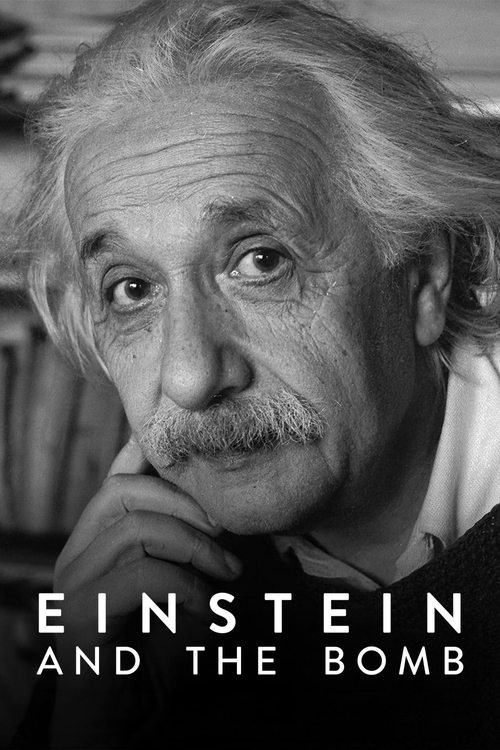
What happened after Einstein fled Nazi Germany? Using archival footage and his own words, this docudrama dives into the mind of a tortured genius.
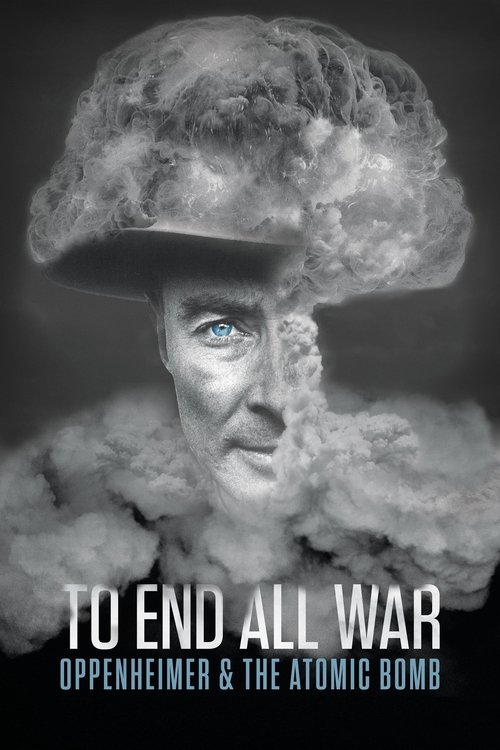
Explore how one man's relentless drive and invention of the atomic bomb changed the nature of war forever, led to the deaths of hundreds of thousands of people and unleashed mass hysteria.
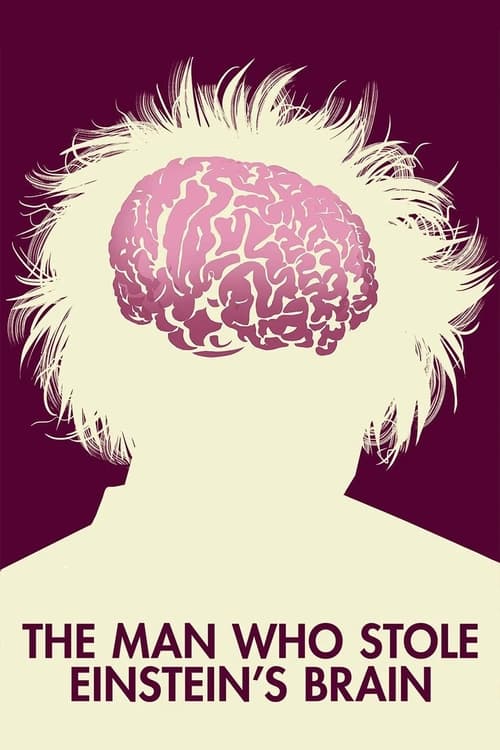
On April 18, 1955, the pathologist performing the autopsy on Albert Einstein covertly steals the genius's brain, hoping to uncover the secret of brilliance. His good intentions and scientific ambitions collide with harsh realities as his world crumbles.

The smallest of sparks can lead to the largest of explosions. Such is the case of the Atomic Bomb and the minds who have conceived of the deadliest force the world has ever known. This new documentary Atomic: The History of the A-Bomb follows this weapon of mass destruction from inception to detonation.
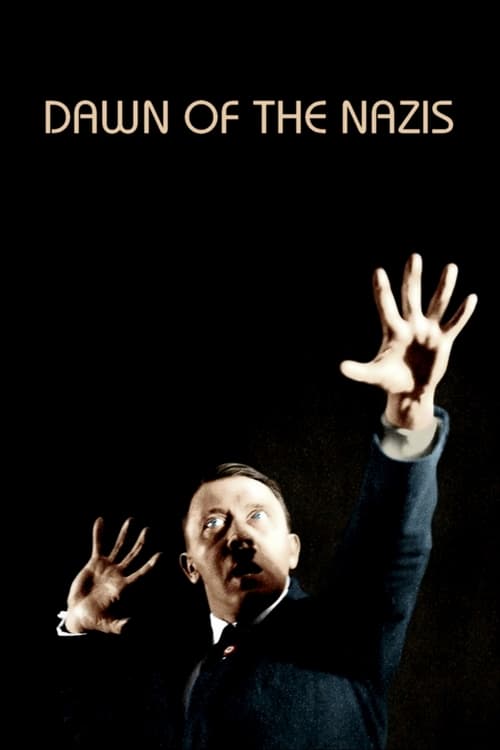
How Germany was when its people entered the nightmare of World War II? Despair and fear lead a hungry population to follow the chilling call of just one man to world domination. A real-life horror story, an ominous tale of violence and deception, which takes place from 1919 to 1934. (Entirely made up of restored, colorized archival footage.)
This documentary traces the "physical history" of Fritz Lang’s M, from its production and original distribution to the digital restoration used as the basis for this edition. It includes a look at the French-language version of M but was produced before the discovery of the English-language version.
On the 29th of August 1949, the USSR set off their first atomic bomb, just four years after the Americans. The speed with which they achieved this surprised the world. What nobody knew was that it was the result of espionage. At the centre of the operation was a very unusual female spy, Elizabeth Zaroubin, in a story worthy of the best spy novels ever written.
Matthew McConaughey narrates a fascinating look at Christopher Nolan's sci-fi film, 'Interstellar', including scientific foundations, the work of consulting Scientist Kip Thorne, basic film themes, the science behind the search for planets capable of hosting life, space-time and the theory of relativity, the science of wormholes and black holes, crafting the film's visuals based on real scientific observation, the birth of the universe, the Dust Bowl and the evolution of dust as a toxin, the likelihood of future dust storms, the prospects of escaping a dying or doomed planet and the possibilities of colonizing Mars.
The story of the greatest physicists of the 20th century and the discoveries they made.
Is building our own starship Enterprise possible? Will we ever travel between the stars as easily as they do in Star Trek? JJ Abrams' new feature, Star Trek Into Darkness, hits the screen in a golden age of scientific discoveries. HISTORY is there, giving viewers a deep look behind the scenes, on the set, and into the science–amazing new exoplanets, the physics of Warp drive, and the ideas behind how we might one day live in a Star Trek Universe.
Subscribe for exclusive insights on movies, TV shows, and games! Get top picks, fascinating facts, in-depth analysis, and more delivered straight to your inbox.