
Action
Adventure
Animation
Comedy
Crime
Documentary
Drama
Family
Fantasy
History
Horror
Music
Mystery
Romance
Science Fiction
Thriller
War
Western
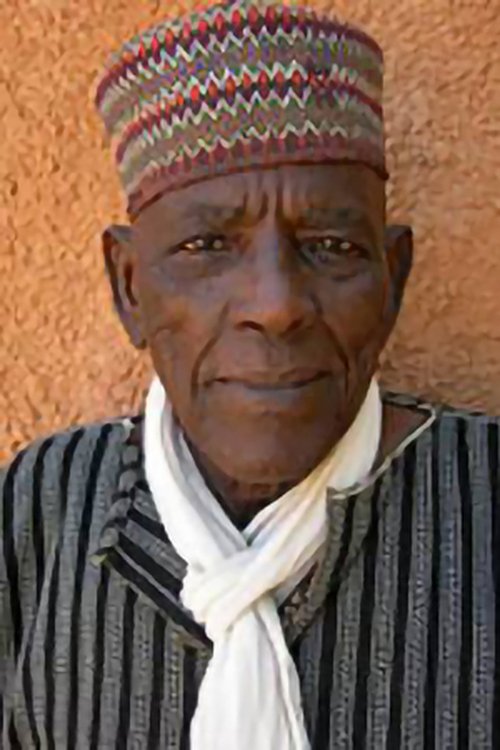
Damouré Zika was a Nigerien traditional healer, broadcaster, and film actor. Coming from a long line of traditional healers in the Sorko ethnic group of western Niger, Zika appeared in many of the films of French director Jean Rouch, becoming one of Niger's first actors.
Explore all movies appearances

Two parts magical drama and one part straight documentary, this outing from famed ethnographic filmmaker Jean Rouch is set somewhere in Nigeria near a small village.
"Their land drought-stricken, three Nigerien farmers (and their donkey) travel to Holland to investigate the possibility of importing windmill technology for use on the plains of Niger. A follow-up to JAGUAR, PETIT À PETIT, and COCORICO MONSIEUR POULET! – undertaken with his longtime filmmaking partners Damouré Zika, Lam Ibrahima Dia, and Tallou Mouzourane – Rouch’s feature is a surreal tale of mythic proportions, full of antic humor and poetic digressions. But beyond the laughs and reveries, MADAME L’EAU is also a poignant commentary on the ‘poisoned gifts’ brought to West Africa by development projects. As Faye Ginsburg once remarked, this is a film about what the world would look like “if Jean Rouch was the president of the World Bank.”" - Anthology Film Archives

When the male nurse Damouré Zika talks about AIDS with his two friends Lam and Tallou, under the admiring eye of his own wife Lobo, who is a nurse's aide, it is because he believes that AIDS is a "disease of love that can only be conquered by love." And this right to love has only one passport for the moment: the condom, on whose use he gives an incredible demonstration.

Mariama and Damouré, two cousins, are in Venice looking for a relic—or fetish—lost a long time ago, as in one of Gentile Bellini’s famous paintings. Moving from the Grand Canal to the Niger River, the two mischievous cousins reveal to us that the relic is none other than the ritual ax of Dongo.
Based on a traditional African tale. A king has the habit whilst walking in disguise on the streets of his kingdom to listen to the wishes of his own people. One day he overhears two brothers daydreaming out loud about marrying the king's daughters, even if that meant being beheaded one year later. The weddings take place and one of the brother is decapitated one year later. The other one escapes execution at his wife's insistence. On a long journey full of surprising incidents, our hero himself becomes king of a village with wives and subjects. However, his earlier promise haunts him, and in order to save his family he accepts to be sacrificed.

Once upon a time, in the middle of the last century, a great warrior named Babatou. Nigerian jumper from the region Dounga Gurunsi invaded the country and settled there. The brave prisoners were integrated into the army, women espoused. For fifty years, the adventurous young people from Niger Babatou went to live in the epic.
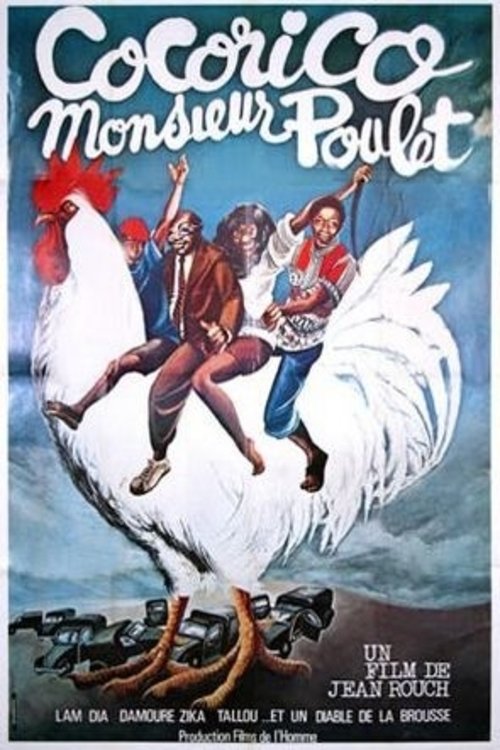
The story follows three poultry sellers on a trip across the bush, attempting to deliver a load of chickens to a market in Niamey.
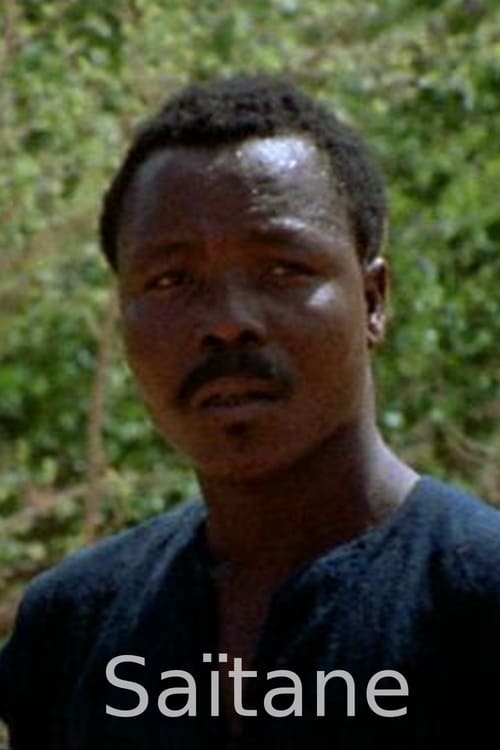
A sorcerer (played by the director himself) controls all activities in a village. Manipulating the different parties, the sorcerer promises love, good health and riches in exchange for the most extravagant rewards. One day someone exposes him, and the sorcerer becomes the laughing stock of the whole village. Desperate, he throws himself of a cliff.
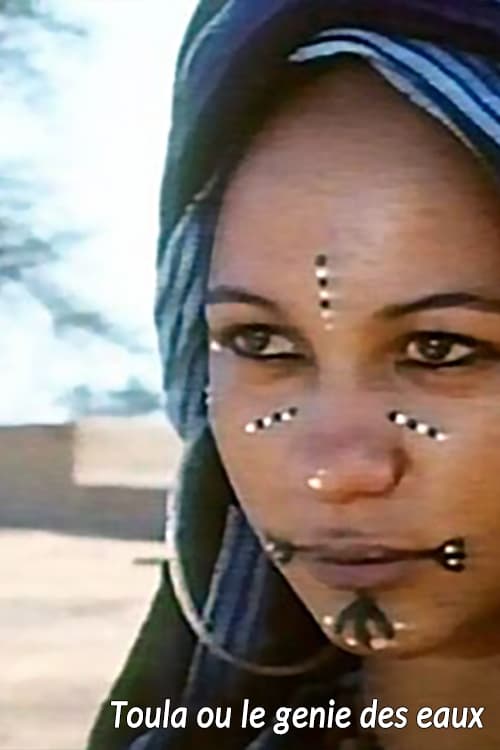
The gods have declared the drought of the country. There seems to be no hope. A holy man summoned by the king requires the sacrifice of a young woman to put an end to their anger. A young man in love decides to go in search of water to save the girl from a tragic end, but when he returns with good news it's too late: the genie had his satisfaction and Toula has already disappeared in the holy swamp.

A man rides a VW Beetle through the plains of Niger.
Subscribe for exclusive insights on movies, TV shows, and games! Get top picks, fascinating facts, in-depth analysis, and more delivered straight to your inbox.