
Action
Adventure
Animation
Comedy
Crime
Documentary
Drama
Family
Fantasy
History
Horror
Music
Mystery
Romance
Science Fiction
Thriller
War
Western
Explore all movies appearances

Indramalati is the second Assamese language film, directed by the great Assamese poet Jyotiprasad Agarwala Jyotiprasad Agarwala wrote the story of Indramalati, which was a tale of romance.
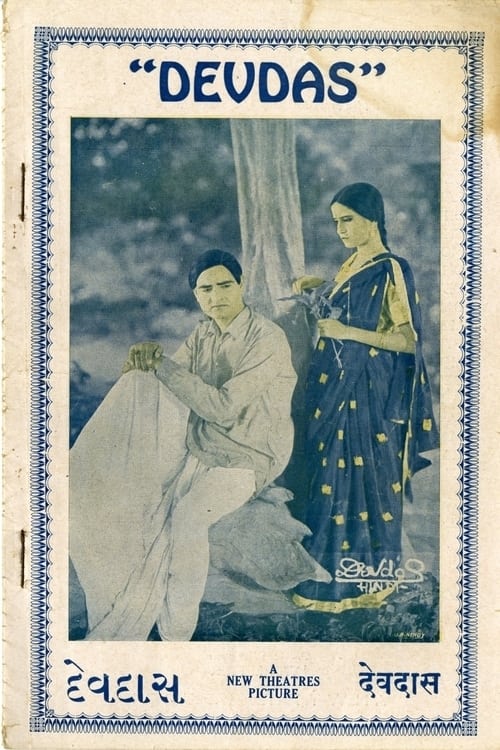
Devdas, the son of a zamindar, and Parvati, his neighbour's daughter, are childhood sweethearts. However, class and caste differences prevent their marriage. Devdas is sent off to Calcutta, while Paro is married off to an aged rich widower. In Calcutta, as remorse drives him to alcohol, Devdas meets Chandramukhi, a tawaif.
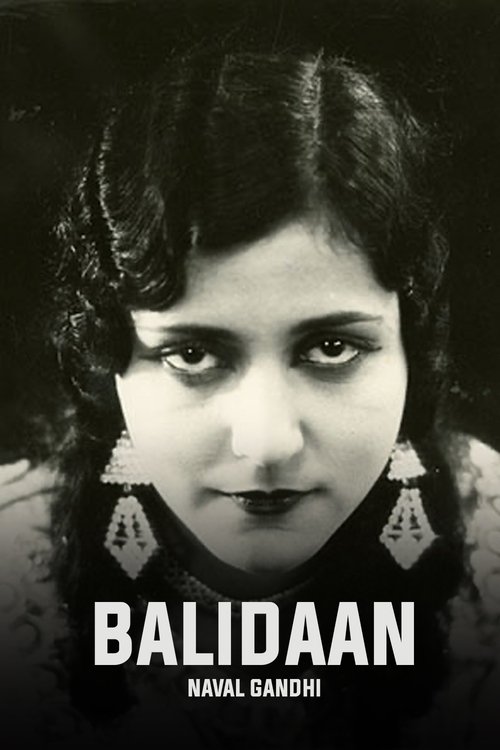
The story addresses the conflict between reformist enlightenment and obsolete, inhuman ritual, questioning the contemporary validity of traditional rituals. The dramatic pivot is the conflict between the king who banned animal sacrifice, and the priest who calls for the king's own blood. Emotionally, the film revolves around the childless queen and a beggar girl whose pet goat has been taken for the sacrifice and who loves a servant in the temple.
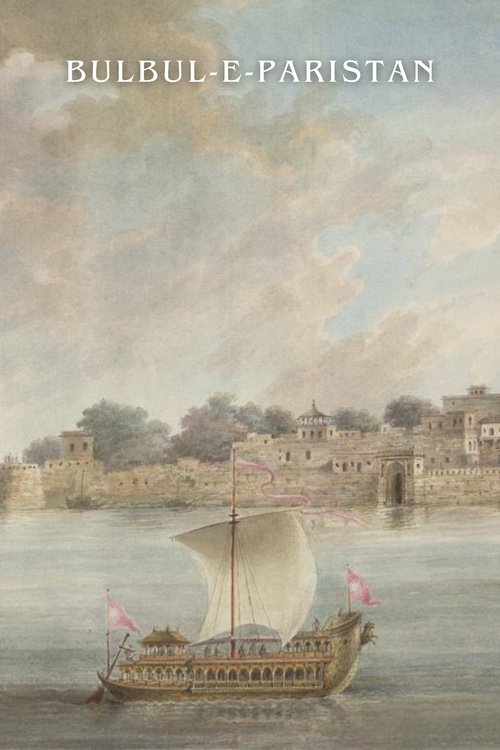
Probably the first Indian film directed by a woman. It was a big-budget fantasy abounding with special effects set in a Parastan or fairyland.
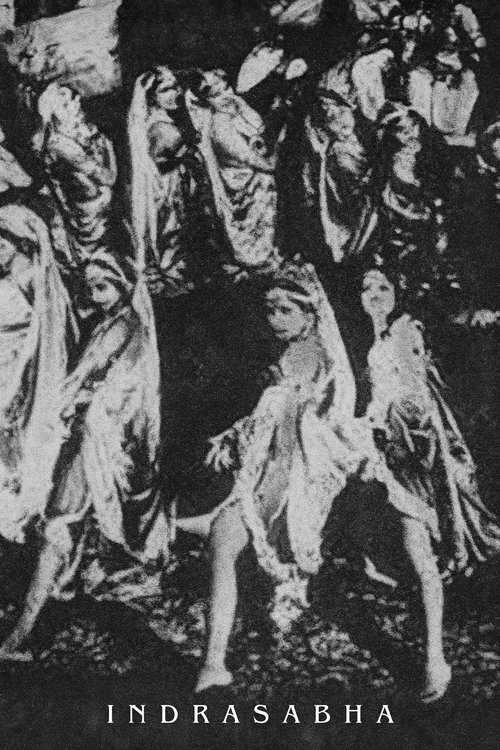
A silent fantasy film centered on the court of the god Indra. Based on Agha Hasan Lakhnavi's play Indrasabha
Seminal silent historical film, the story features King Munja, ruler of Aranti, famed warrior and patron of the arts. Munja (Sandow) falls into the hands of his arch enemy Tailap, who received assistance from Bhillam (Altekar), king of Dharavati. Tailap orders that Munja be put to death but is held back by Tailap's powerful sister Minalvati (Fatma Begum), a widow who first wants to break Munja's spirit. Instead, she and Munja fall in love.
No plot available for this movie.
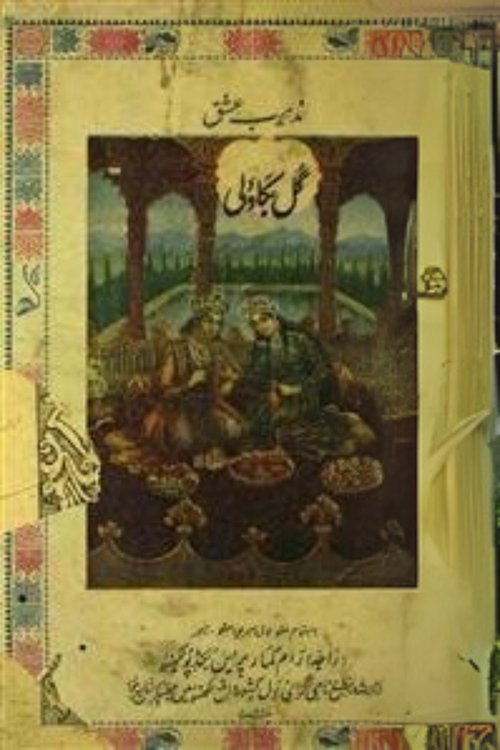
Based on a popular legend, this silent film tells the story of the fairy Bakavali and her divine flower, the Gul, which possesses healing powers. Taj-ul-Mulk, a prince from the East, seeks the flower to cure his blind father. The legend's origins are debated: one version traces it to a 19th-century translation of a Persian tale, while another points to a 16th-century narrative from Abely Sheikh. The story was a favorite on the Parsee stage, particularly the scenes where Taj-ul-Mulk battles his villainous brothers, who steal the flower. The tale also features Bakavali turning to stone and her eventual human rebirth.
No plot available for this movie.
Subscribe for exclusive insights on movies, TV shows, and games! Get top picks, fascinating facts, in-depth analysis, and more delivered straight to your inbox.