
Action
Adventure
Animation
Comedy
Crime
Documentary
Drama
Family
Fantasy
History
Horror
Music
Mystery
Romance
Science Fiction
Thriller
War
Western
Explore all movies appearances
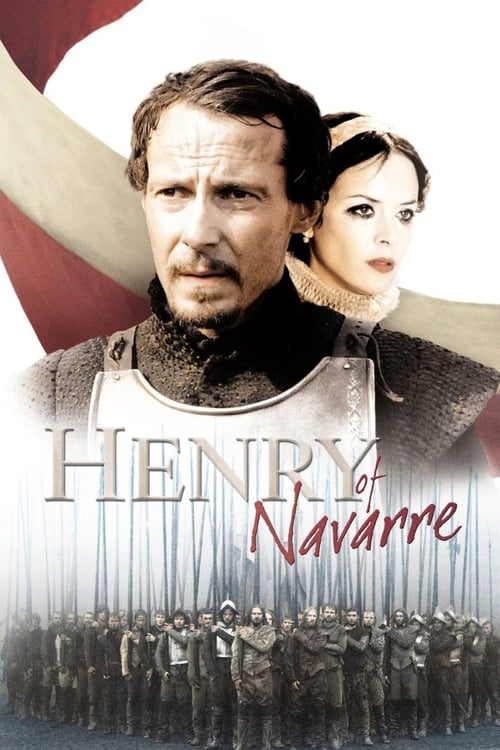
A wide-ranging, energetic period piece tracing the rise of the Protestant Henry of Navarre as he goes from battlefield warrior to France's beloved King Henri IV. Director Jo Baier's epic is a classically entertaining adventure, albeit one with more than a little bloodshed and frequent bawdy sexual interludes. In late 16th-century France, Catholics and Protestant Huguenots were at war. Seemingly seeking peace, the French dowager queen, Catherine de Medici summons Henry to her court to have him marry her daughter, uniting the two warring factions. However, the Catholics slaughter the Protestant wedding guests in what became known as the St. Bartholomew's Day massacre and Henry-now married-must use all his guile to both stay alive and maneuver for the throne. [Written by Palm Springs International Film Festival]

A renowned actor named Otto is the epitome of the problematic but beloved ladies man. Even when drunk he still knows more about filmmaking than does the amateur who is directing him in his latest movie. But what should the unreliable star do when a local actor joins the crew as his understudy? Comic situations arise not only because of the well-known environment, but also from an inclination to authentically capture the various relationships.

"Pictures from the late eighties in the GDR on up to the immediate present in the year 2008 in Germany. What has been left over besieges my mind. All these pictures keep reassembling themselves to make up something which they were originally not made for. They are still in motion. They are becoming history." (Thomas Heise)

Volker Koepp returns to the Brandenburg Marches, where many of his films were made. Uckermark describes the coexistence of the various eras using the stories and lives of the local people. They are farmers and returning noblemen, men and women hoping that short-term job-creation schemes will lead to meaningful work, a theatre director whom the Uckermark reminds of the past.

A village has to be destroyed for coal mining. Henning, a 15 years old boy, who wants to visit his grandfather one more time, realizes that nothing will be the way it used to be.
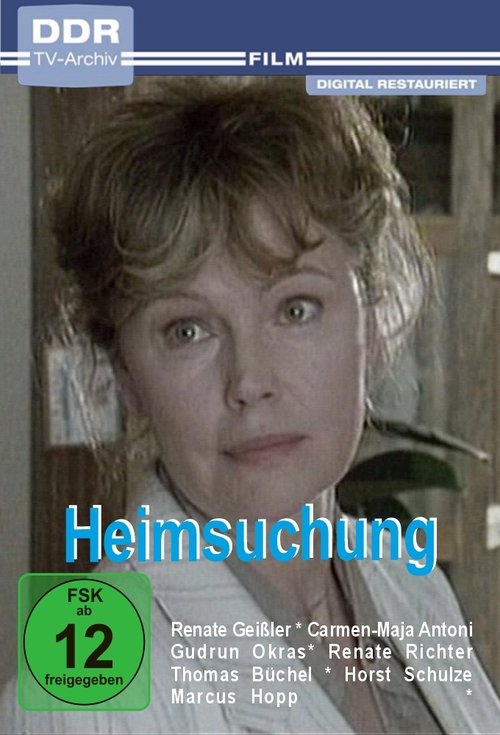
The film is set in 1989/1990 at a time when the "socialist" ideology underwent another major revolutionary collapse and the supposedly only progressive German "socialist", but walled-in GDR, joined the free West German society of the Federal Republic of Germany. In those days, the son of an East German teacher turns his back on the GDR because he is fed up with the eternal talk of the alleged superiority of "socialist" society and this "socialist" old day is nothing but dreariness and eternal gray everyday life for him. His mother, the convinced teacher and communist Christine Rautmann, suddenly realizes that her eternal propaganda of a golden socialist future is not falling on fertile ground with either her son or her pupils. She is suddenly faced with the ruins of her life as a teacher and mother. She herself becomes a seeker on a tremendously shaky social ground.
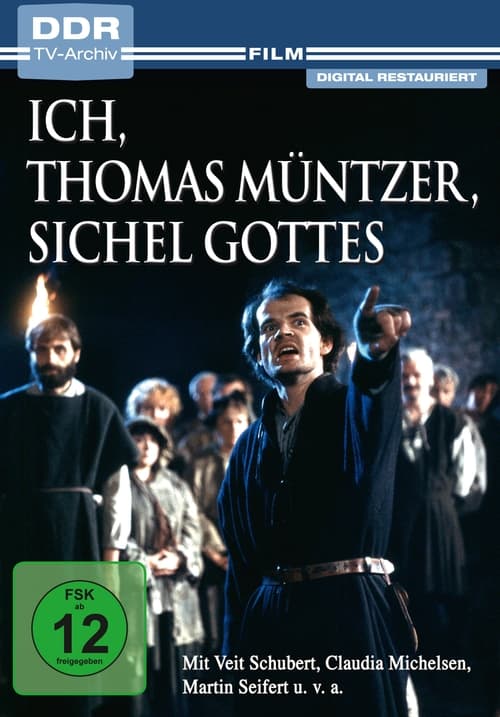
1523. The Protestant theologian Thomas Müntzer is entrusted with the pastorate by the 'Allstedt Council'. On the one hand, he is to open people's minds and hearts to more freedom, and on the other, he is to serve as an ally against the count.
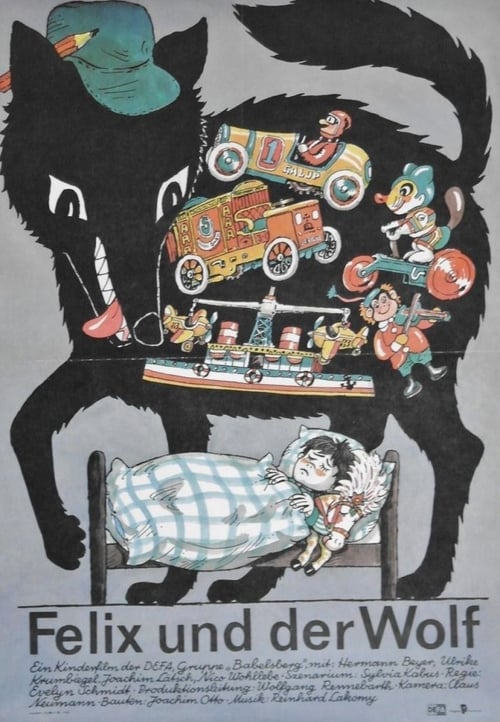
Little Felix Grosser is given a chest full of tin toys by old Mrs. Goldberg. The woman had once saved the toys for her future grandchildren, but her children were too busy working to start a family. Now Felix receives the old toy and Mrs. Goldberg warns him not to let it fall into other people's hands. Felix takes a white, dancing "magic horse" from the chest into his nursery, along with various other items. His parents, who are busy remodeling the bathroom despite a lack of materials, only find out after a while that the pony is a gift from Mrs. Goldberg, who no longer lives in the house. They have no idea about the chest full of toys in the attic.
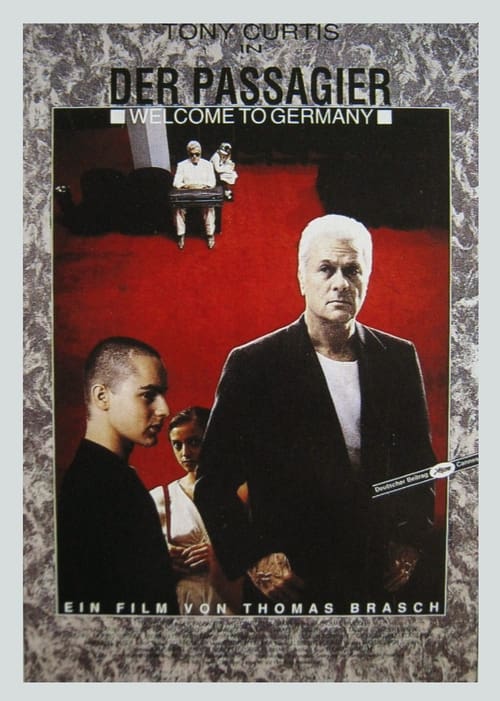
An American filmmaker travels to modern day Berlin to make a film based on a real-life incident from 1942 in which 13 Jewish prisoners from a concentration camp were promised freedom if they appeared in a German propaganda film. Unfortunately, the Germans lied. The psychological process undergone by the modern filmmaker while shooting the story provides the basis of this arty and challenging film.
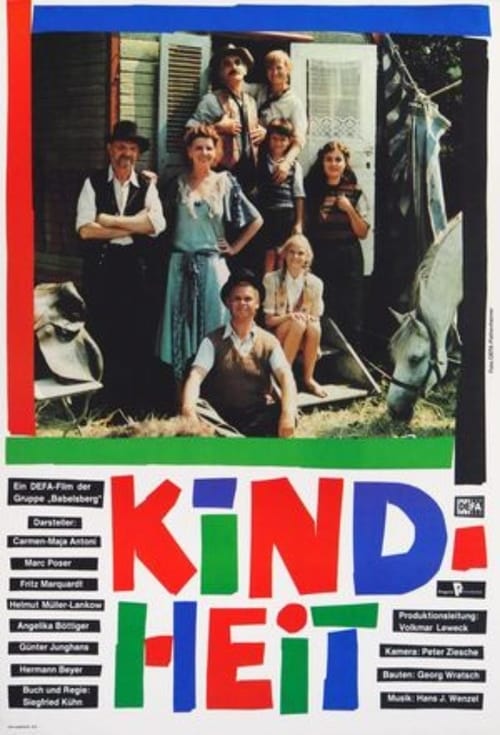
Alfons lives with his grandparents on a Silesian village farm at the end of WWII. He adores his grandmother, who runs everything after her husband dies. But everything changes after the appearance of a traveling showman in the xenophobic village.
Subscribe for exclusive insights on movies, TV shows, and games! Get top picks, fascinating facts, in-depth analysis, and more delivered straight to your inbox.