
Action
Adventure
Animation
Comedy
Crime
Documentary
Drama
Family
Fantasy
History
Horror
Music
Mystery
Romance
Science Fiction
Thriller
War
Western

Petar Slabakov was a Bulgarian actor. In 1957 he married the theater actress Tsvetana Galabova, two daughters were born in the marriage. In cinema since 1960. One of the most original actors of the Bulgarian cinema. Honored Artist of Bulgaria (1971). Since 1994 he lived with his wife in the countryside. His son, Andrei Slabakov, is also an actor.
Explore all movies appearances

Two very similar families are settling in two identical houses in a new fashionable neighborhood built near a complex of panel-apartment buildings. The couples are in their forties. The husbands are moderate professionals and the wives are housewives without children and with firmly fixed habits. Step by step they find out how similar they are and step by step they come to hate each other. The more they strive to be different and the more they fail, the stronger their malice and their lust to harm each other grow.

Chris, slick adventurous grandson of legendary adventurer Allan Quatermain, searches for the mythical treasure of Alexander the Great with the help of a pretty German girl, while eluding a dangerous greedy gangster.
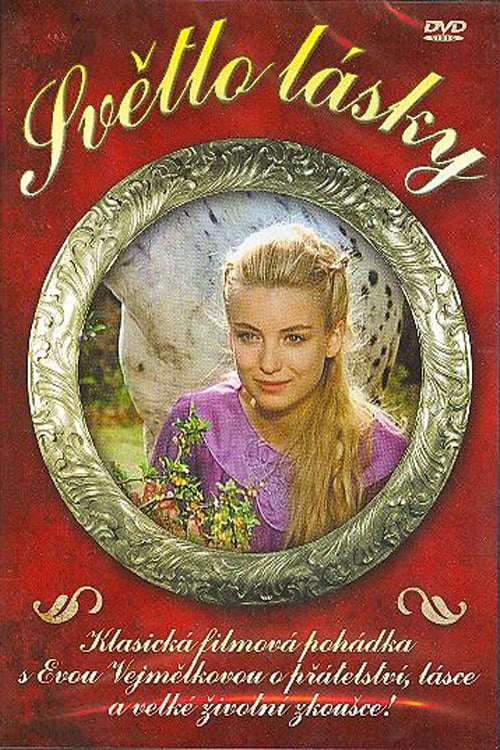
804, Thuringia. An orphan boy, called Bengel, lives in a monastery and is teased by the nuns because of his ugliness. He nurses a black rider, who is shunned by everyone and is said to have the plague, back to health. The rider tells him about the missing Bogumil, son of the Slavic king Slavomir, who was to marry Reglindis, the daughter of the Margrave of Thuringia, by order of Charlemagne. And he asks Bengel about his origins. Bengel now believes he is Bogumil. He goes to the castle and meets a beautiful girl who also thinks he is beautiful. It is Reglindis, she is blind. The girl senses the boy's inner beauty and is very fond of him. Her father, however, wants to kill him. Bengel narrowly escapes death twice, the Black Rider impressively proves his identity with Bogumil and finally there is a happy ending.
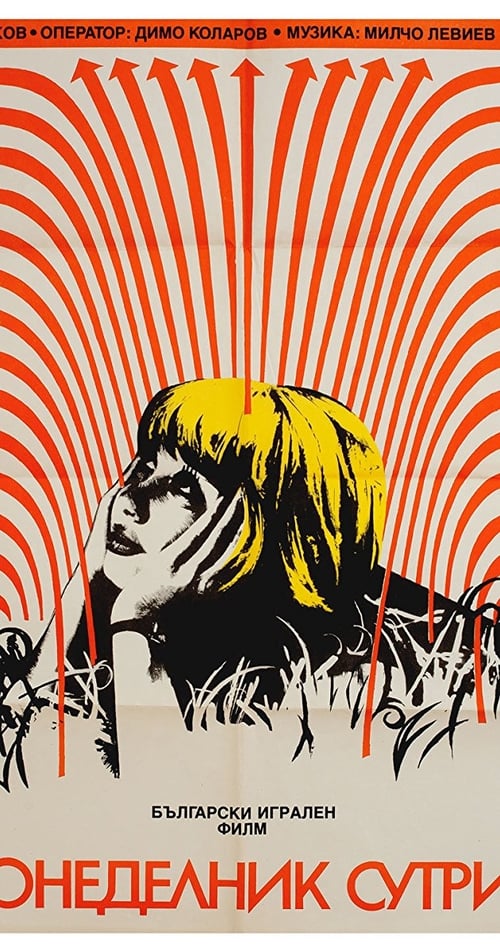
Frivolous girl falls in love with a young construction worker. He trusts her and decides to include her in his team of workers. In the beginning, she is happy, but soon starts to feel the tensions between the people in the team. Hypocrisy and demagogy fill her with indignation and she does not keep silent about the shortcomings and mistakes of her colleagues. Gradually, her superiors become uneasy about her and the girl has to go. Her boyfriend offers her marriage, but she decides to take her own path and lead a worthy life. The movie was shot in 1966 but was censored by the communist government and released in theatres on 31st October 1988.
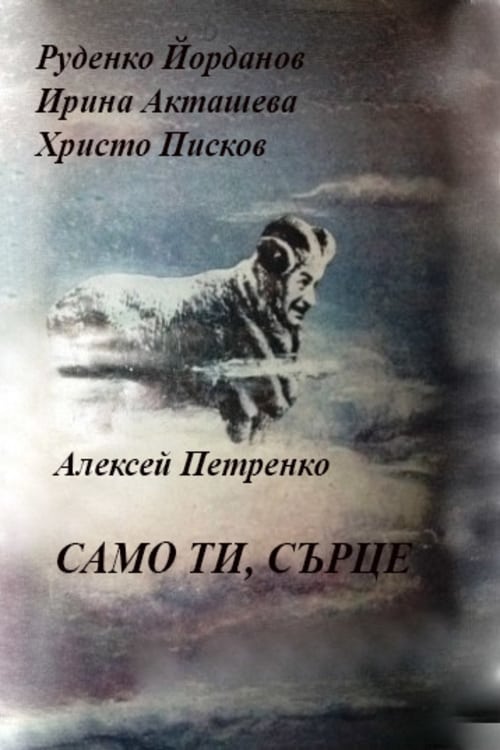
The title of the film is taken from the popular Bulgarian song. This is a film about the life of a common Bulgarian worker. The action focuses on his family, his relatives, and his friends.
Nurse Nikolova takes care of the elderly. She faces various human destinies. Her patients spend the rest of their lives alone. They seek from her what they have not received from their own children. They love her. Nurse Nikolova touches on the complex problems of human existence.

This naively filmed adventure story draws from Robert L. Stvenson's novel, but adapts it to its own devices. It tells the story of a young Czech who witnesses the deceitful actions of a ship owner. In fact, the villain is enriched by the plight of Bulgarian patriots fighting against Turkish rule on the eve of World War I.

He is well educated, charming, and gallant - a dream for each lonely lady. In reality he is a skillful swindler, who robs naive women. Cheating merchants with guilty consciences are his targets as well. This is the elusive protagonist of the movie. He constantly changes his name, stages his own death, and travels from town to town. His exploits are myriad and his life is an endless adventure. Yet, he remains an amiable swindler, an unrealized actor, whose only goal is make his life more interesting.
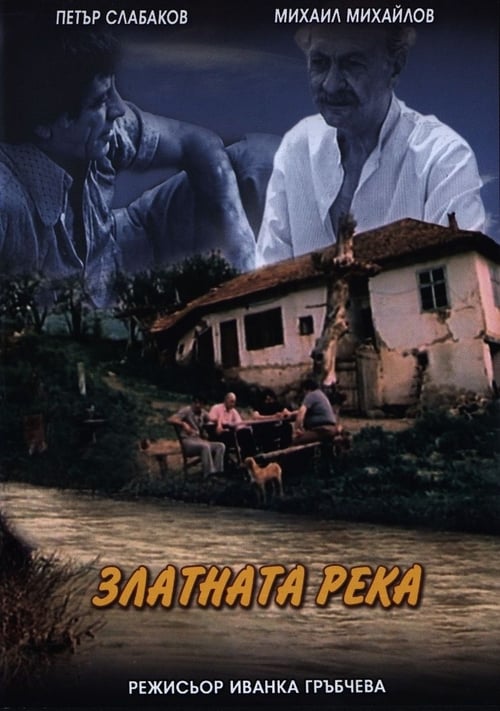
The action takes place in a small town situated between a river with a romantic past and a cement plant with an industrial future, which is attracting new workers. Some of them go to live with the good-hearted Old Vangel. These are all people who have lived through many frustrations and made bad names for them. Two of them arrive straight from prison. It appears that it is a failure that has taught them to value freedom, to yield easily to pleasures of life and to temptation. The dramatic effect of the film is felt when this happy band goes face to face with the practical things of life and the prejudices of the people around them. They also clash with several people in small town whose life is passed uneventfully and who have working without looking around lest evil should lead them astray and destroy their property. The filmmakers examine two attitudes to life, each imperfect in its own way, thus making us consider the possible ways of achieving harmony.
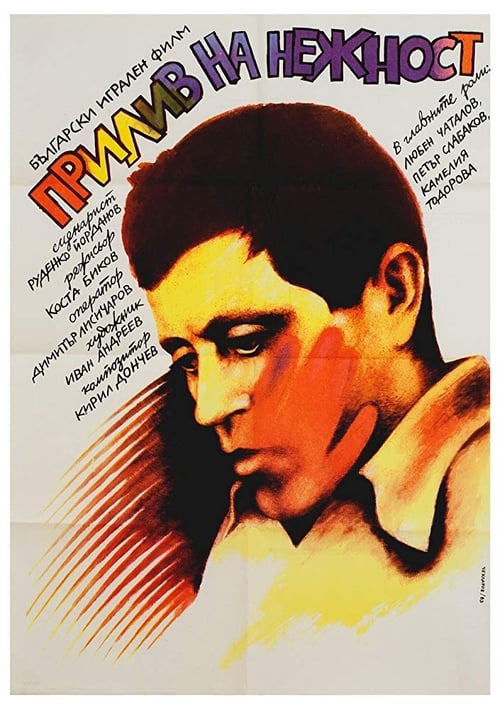
The end of World War II. The Bulgarian army is fighting the German one. Private Peycho Peychev known as Peychina is also at the frontier - a sensitive and timid person forced to witness the horrors of the war. His commanding officer keeps saying that at the end of a war the world is swept by a 'surge of tenderness'. After a serious injury, Peychina goes back to his birth place. The new ruling powers in the village try to win him over to their side but what he is really good at is holding the chisel, not the gun. He carves an image of Elena, a woman that he falls in love with. Yet, the surge of tenderness in the world seems to be canceled. Peychina comes to be responsible for the death of an anarchist and helps capture his commanding officer, who fights against the new rule. When the mayor hands him a gun again, he refuses to take it.
Subscribe for exclusive insights on movies, TV shows, and games! Get top picks, fascinating facts, in-depth analysis, and more delivered straight to your inbox.