
Action
Adventure
Animation
Comedy
Crime
Documentary
Drama
Family
Fantasy
History
Horror
Music
Mystery
Romance
Science Fiction
Thriller
War
Western
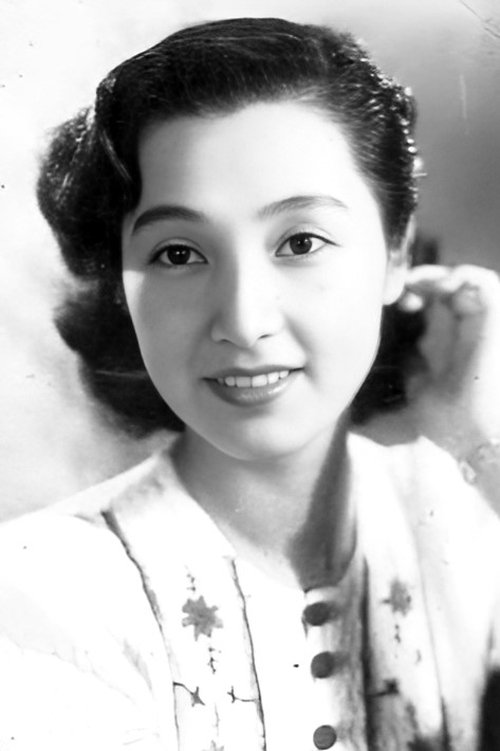
Mieko Takamine (高峰三枝子, Takamine Mieko) (2 December 1918 – 27 May 1990) was a Japanese actress and singer. Mieko Takamine was born the eldest daughter of famous chikuzen biwa player and teacher Chikufu Takamine. She gave her acting debut in the 1936 film Kimi yo takarakani utae, produced by the Shochiku studios, to which she would remain affiliated throughout her career, although she would also oc...
Explore all movies appearances
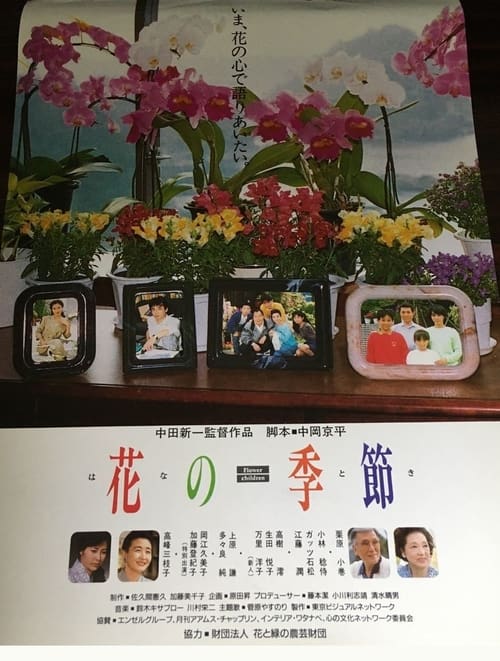
Kitamori Yuki was particular about her promise to her mother-in-law Hana. The promise is that, as the daughter-in-law of Koichi, the eldest son of the Kitamori family, Hana entrusts everything to Yuki, but wants her entire family to come see her on her birthday. At that time, her second son Keisuke's daughter Megumi, who is her private taxi driver, made a mistake, and she was overwhelmed and approached Yuki for advice. Eventually, her mother Kayo of Megumi learned about this, but a period was quietly struck by her women coming to a conclusion that should be the food for Megumi's growth.

Based on the "2.26 Incident", an attempted coup d'état in Japan 1936, launched by radical ultra-nationalist parts of the military. Several leading politicians were killed and the center of Tokyo was briefly held by the insurgents before the coup was suppressed.
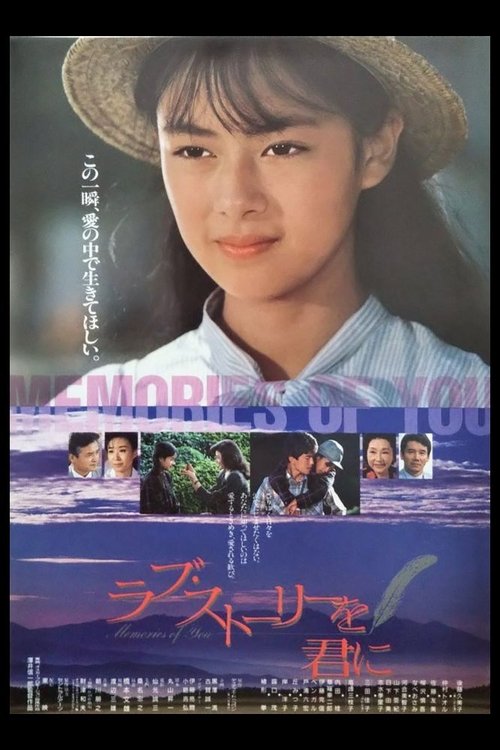
A mother discovers that her 14-year-old daughter Yumi has leukemia and only six months to live. She decides to keep the information secret and pushes her past tutor Akira, now a university student, to reconnect with her.
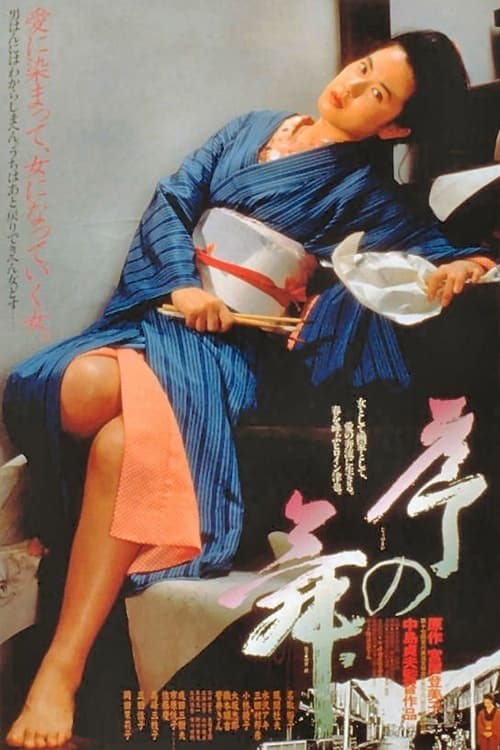
This story is based on the novel "Jo no mai" by Tomiko Miyao which is based on the life of painter Shōen Uemura (1875–1949), the first woman to be awarded the Order of Culture. The title refers to the masterpiece bijinga ("picture of a beautiful woman") that Uemura painted at the age of 61. The main character, Tsuya Shimamura, is born in Kyoto as the second daughter of a tea trader who dies before her birth. Tsuya, who loves painting more than anything and is hopeless at housework, attends art school and at age 15 receives the name Shōsui (from the characters for "pine" and "green") from her teacher. The crown prince of England purchases one of her works, propelling her to fame overnight. The novel portrays the remainder of her stormy life, during which she is impregnated by her teacher and raises a fatherless child; through it all she devotes herself to her painting, undaunted.
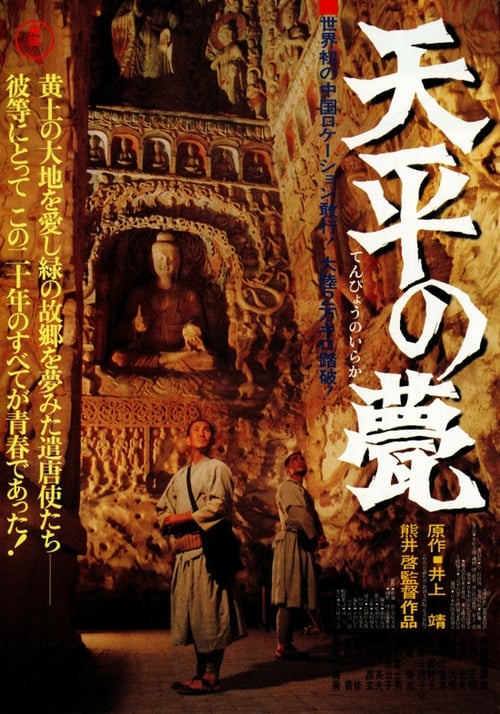
Set in Japan's Tenpyou era (729-749 CE), four young monks are sent to China to study Buddhism and bring a high priest back to Japan with them. The film tells the tale of the four monks' youth and the life and times of the high priest Ganjin.

Adaptation of a 1956 novel by Yukio Mishima.
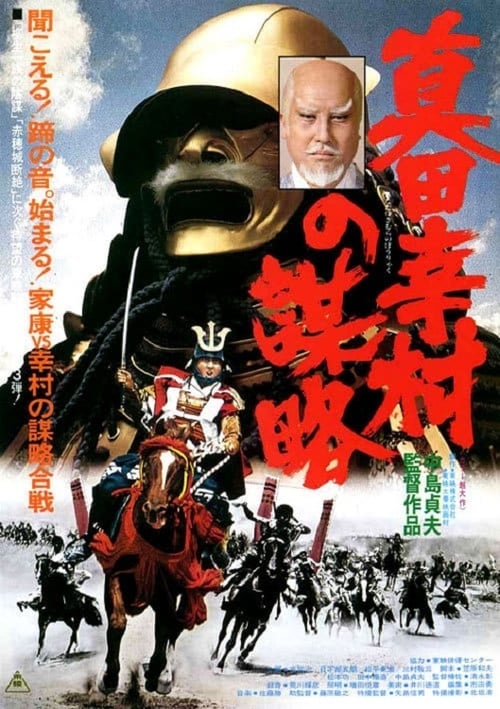
This is a film about a real person. Sanada Yukimura fought a war against Tokugawa Ieyasu.
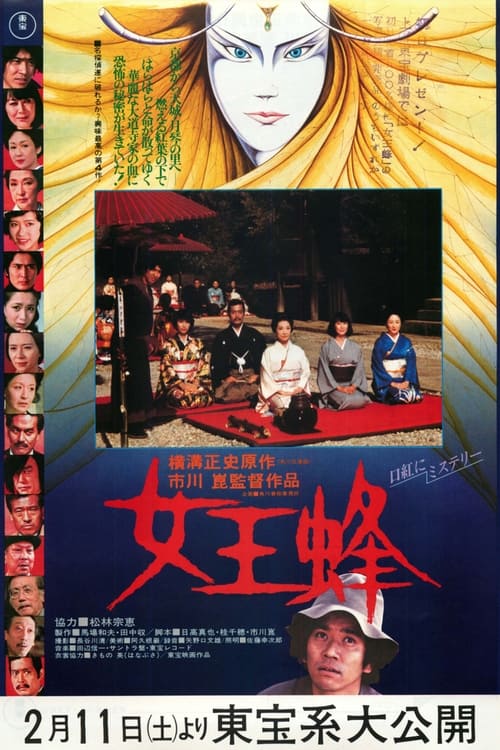
To solve the mystery of a murder of an old governess which takes place at a wealthy Daidoji family's country estate, family secrets and lies dating back several generations must be sorted out once and for all.
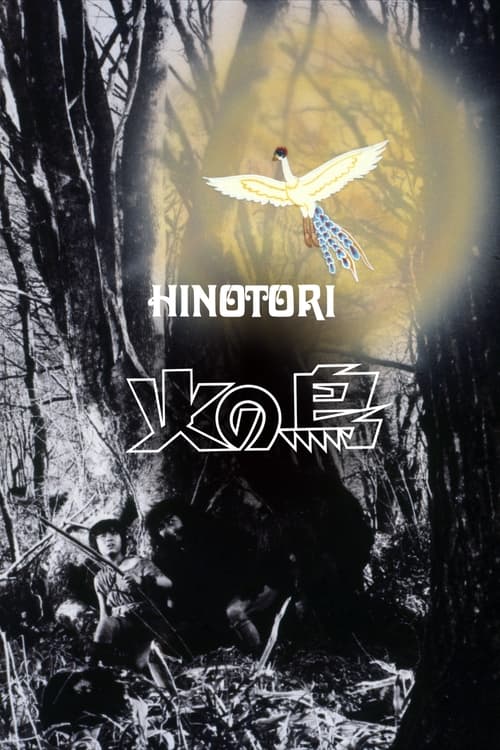
This extraordinarily complex film is not only a send-up of every samurai film ever made, it is also an extrapolation of the value of life. The Yamatai, represented by Prince Susano-O and elderly advisor Sumuke, hire Yumihiko of Matsuro to hunt the phoenix so that Queen Himiko, sister of Susano-O can have eteranal life.
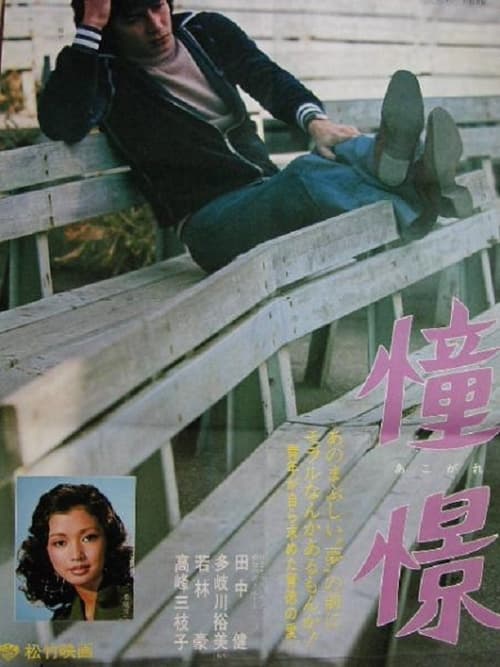
No plot available for this movie.
Subscribe for exclusive insights on movies, TV shows, and games! Get top picks, fascinating facts, in-depth analysis, and more delivered straight to your inbox.