
Action
Adventure
Animation
Comedy
Crime
Documentary
Drama
Family
Fantasy
History
Horror
Music
Mystery
Romance
Science Fiction
Thriller
War
Western
Explore all movies appearances
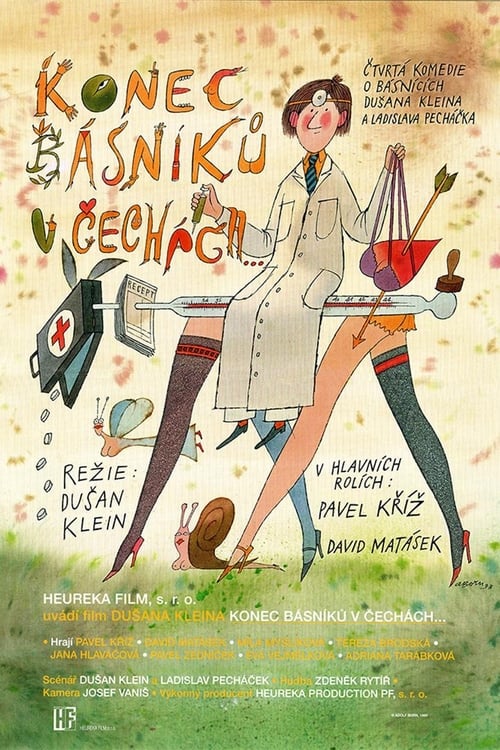
Dr. Štěpán, dismissed for his outspokenness, returns to his hometown determined not to bend his ethical principles to the ruthless new capitalism surrounding him. When he meets a young woman who may become the meaning of his life, he must confront the tension between his ideals and the demands of a changing world.

The hero of the story is a forty-something intellectual, a sensitive composer of classical music. His exclusive profession, his work, which is actually incomprehensible to those around him, and his deep inner passion set him apart from the conformist milieu. Therefore, he tries to search for the "lark's silence" - a new strength, purity, truth, essence and roots of Czechism. However, on his return from the oppressive, alienated big city to his native village, to his former home, to nature, a deep disillusionment awaits him: he discovers that the once idyllic village has lost not only its face, but also any manifestation of spiritual life in its foolish attempt to resemble the city.
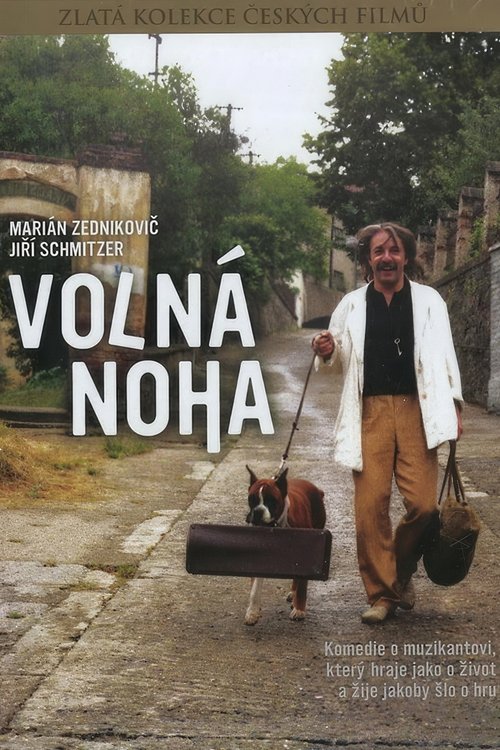
Jazz musician and trumpeter Beno is originally Slovak, but has been living in Prague for a long time. As a true bohemian, he does not recognize any limitations in his personal or artistic life. He is devoted to jazz with body and soul and despises any form of pop music. That is why he rejects the lucrative offers of his girlfriend, the successful singer Gábina. He also successfully faces the pressure of his much younger girlfriend-to-be and her defiant mother. Beno often has to pay for his tricks, but he accepts this with open eyes. Beno is ably supported by his friend, saxophonist Emil, known as Rampouch.
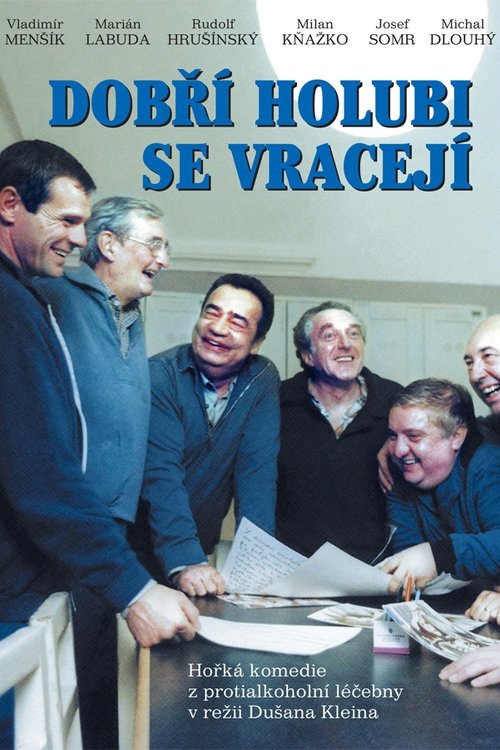
The film is a concert of well-known actors from an alcohol rehab where a middle-aged man has taken refuge to get rid of his addiction. In the rehab, cruelty is personified by the attendant who, with sadistic satisfaction, hands out demerit points for the slightest sign of displeasure or rebellion.
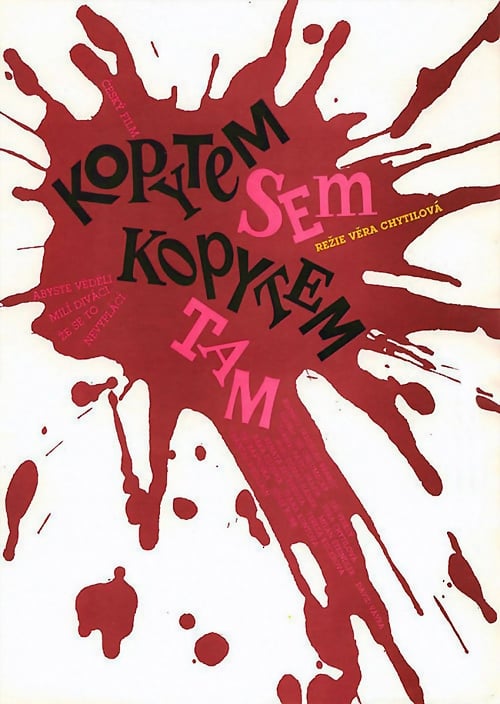
A striking generational tragicomedy, A Hoof Here, a Hoof There is a caustic group portrait of pals who enjoy a tipple, all kinds of hi-jinks and no-strings sexual adventures. Auditor Pepe, vet Dědek and restaurant manager František are financially secure and enjoy life with their similarly fun-loving girlfriends—at least until the moment when the brash Pepe collapses and ends up in hospital.
In the second half of the 1980s, so-called critical films began to emerge, but they were afraid to make a sharper statement, moving on the basis of an engaged morality that wanted to improve the existing conditions cosmetically at best. The theme of the search for a new anchor in life becomes a central element: the protagonist, after returning from the war, does not want to devote himself to the constraints of elite sports, he rejects the dubious business of a friend. Most of all, he would be attracted to a perfectly ordinary job in a bakery. The dance clip inserts, however, make it difficult to navigate the already rather confusing narrative.
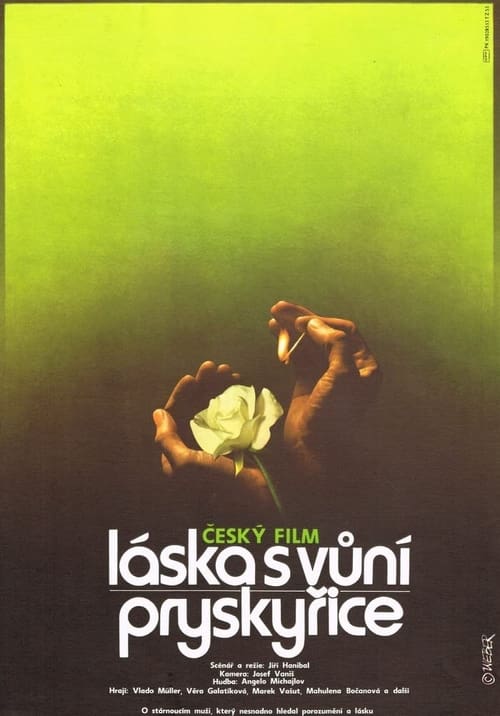
The forest worker František Hrubý, a poor, hard-working man, lives with his granddaughter in a lonely cottage. Despite being in his sixties, he is still a furiant who does not let anyone talk to him, but talks to everyone himself. His desire to interfere in the lives of his companion, daughter, granddaughter or friends is rooted in his fear of loneliness and death. He also can't accept that the work he has loved all his life has become too much of a strain...
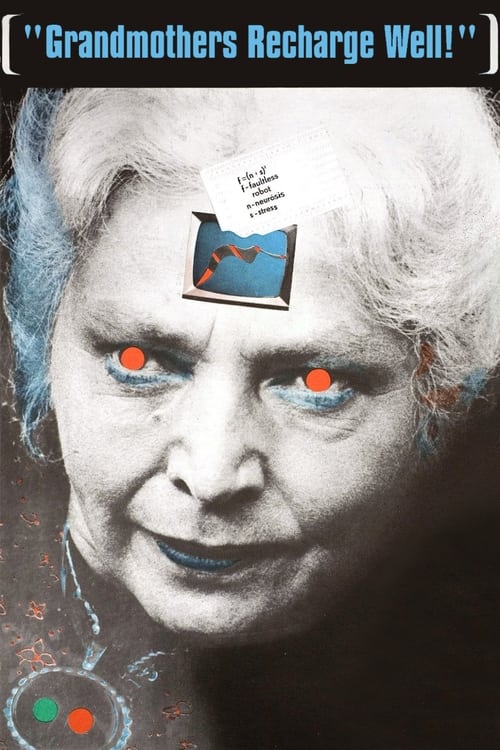
A family purchases a home robot designed to look like a grandmum. Their neighbours immediately buy a more expensivve model as the two families always try to up the other one. Both grandmums start to "terorize" their families because they were set up to ensure the mums exercise, the kids study etc. Apart from that they start causing problems to the other family ... cut ropes with hanging clothes, pierced tires, etc. Once they get to killing each other family's pets the parents get really worried about the safety of their kids. The grannys later destroy each other while fighting and the families decide that they'll be better off without any robots. (It's some time since I saw this so the details may be off.) Mainly thanks to the design of the robots it's rather a comedy than a horror. Unless you are ten. And a rather good comedy!
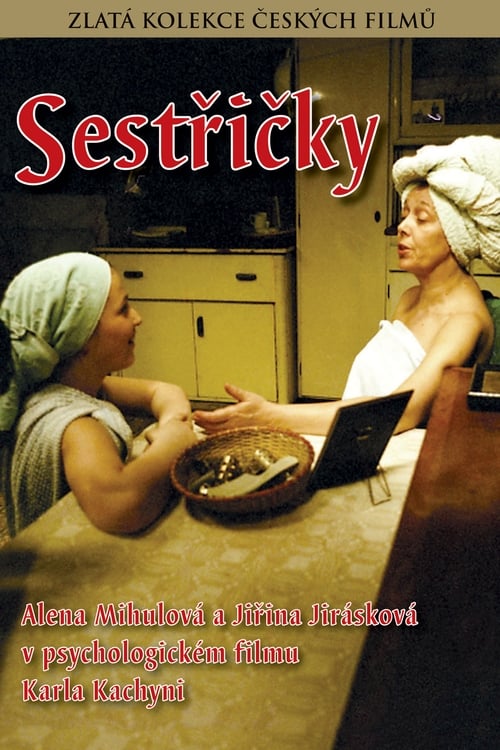
A Czech psychological film about the school of life, its sorrows and beauties. The main character is a young aspiring nurse Marie Sahulová, who, after a trouble in the hospital - she secretly brought a boy to her boarding school - is transferred to a rural health centre, where together with an old doctor and a peculiar nurse she has to travel around twenty-five villages and a number of solitudes in the harsh environment of the neglected villages of the 1950s. The nurse, a wise and experienced woman whom no one calls anything other than "babi", becomes her guide, who introduces her to the practice and the pitfalls of private life in a distinctive way. In the mosaic of everyday worries and more or less serious medical interventions, Marie matures and finds the meaning of her work and life.
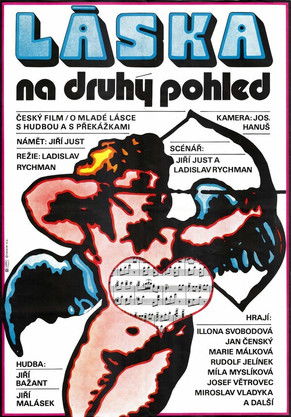
Even under socialism, which proclaimed the equality of all people, there were status differences. A young bricklayer, who has fallen in love with a college girl from a "better" family, feels this first-hand - the girl's petty bourgeois parents are fundamentally opposed to an unequal relationship from their point of view. In protest, the young lovers decide to live in a tent for the time being and go straight to the park. The surprisingly clueless director Ladislav Rychman has tried to merge disco songs with a tame satire on modern-day rich people.
Subscribe for exclusive insights on movies, TV shows, and games! Get top picks, fascinating facts, in-depth analysis, and more delivered straight to your inbox.