
Action
Adventure
Animation
Comedy
Crime
Documentary
Drama
Family
Fantasy
History
Horror
Music
Mystery
Romance
Science Fiction
Thriller
War
Western

Between 1916 and 1924, Werich attended "reálné gymnasium" (equivalent to high school) in Křemencova Street in Prague (where his future business partner, Jiří Voskovec, also studied). He studied law at the Charles University Law School from 1924 to 1927, from which he made an early departure to begin his artistic career and forge one of the most important partnerships of his life. For more than 10...
Explore all movies appearances

No plot available for this movie.
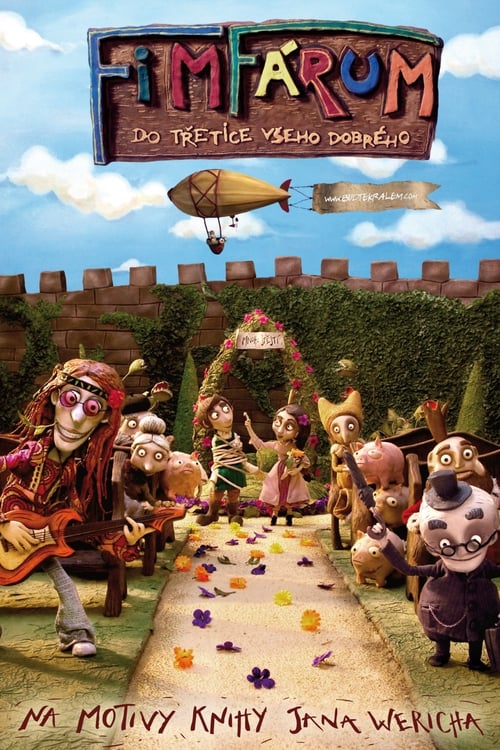
The film contains three Jan Werich's fairy tales, each directed by one artist. The first story sets out to the Sumava mountains in Southern Bohemia to find out whether Ogres ever lived there. The middle tale The Hat and the Little Jay Feather concerns a king who sends his three sons to bring back a hat he left at a tavern when he was young. The third and longest fairy tale Reason and Luck is about the two virtues of the title try to prove their importance by changing the life of a pig herder named Louis. Written by
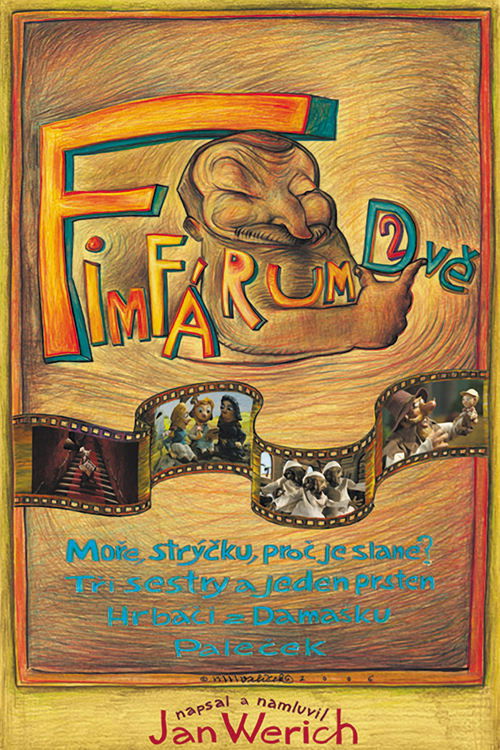
The sequel to the successful film Fimfárum by Jan Werich. Four brand new stories “for clever children and clever adults” from the popular book written by Jan Werich. Břetislav Pojar introduces the story of little Tom Thumb full of twists and adventure. Aurel Klimt brings to life three brothers, The Hunchbacks of Damascus, re-creating the atmosphere of the Middle East and variety of the oriental storytelling. Vlasta Pospíšilová’s Three Sisters and One Ring shows a rural Decameron-like manual on how to enchant one’s loved ones with a mere ring and Jan Balej lets his characters Marek and Kouba re-live an ancient fairy-tale about greed, devils and natural phenomena in his The Sea, Uncle, Why is it Salty?
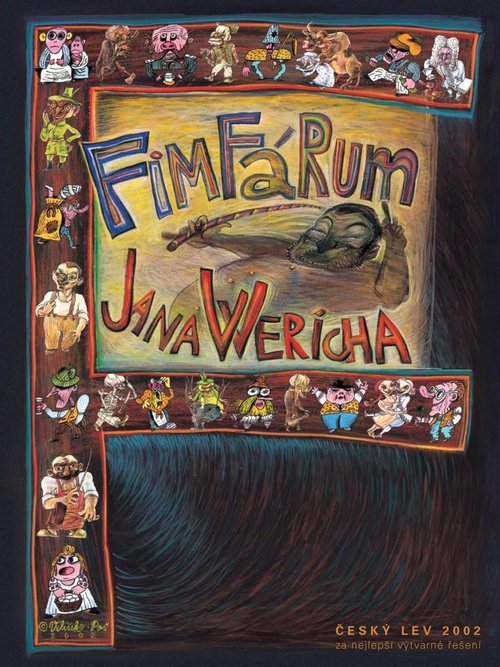
Humorous as well as educational stories about magical and everyday problems, about devils, miracles, ordinary human vices and wisdom. The graphic design of the stories reflects the humour and the atmosphere of the stories Fimfárum, When the Leaves Fall from the Oak, Franta the Fearless, A Dream Come True, and Greedy Barka, that were recorded by Jan Werich on an LP in the 1960’s and published in a book called Fimfarum.
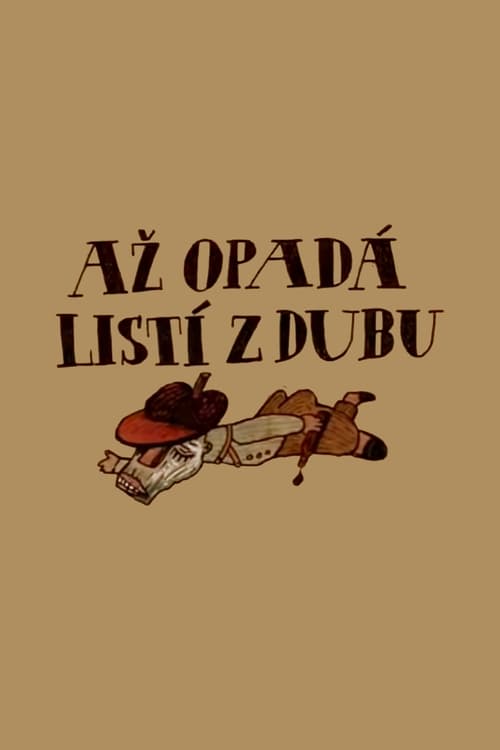
The story is a celebration of the cleverness and wit of the simple peasant Čupera, who triumphs not only over the demon of alcohol, but also over the bureaucratically persistent and thorough devil. The hell that the farmer goes through during the withdrawal process is stylized as a shantytown, a galley with a prison and a dehumanized night club.

When the village school master discovers the body of a mean-spirited, miserly old woman, with whom he has had a disagreement, he decides to dispose of the body himself without alerting anyone else to it, but when the body is discovered by another villager the same cycle begins again, with the body eventually passing through the hands of half of the village.
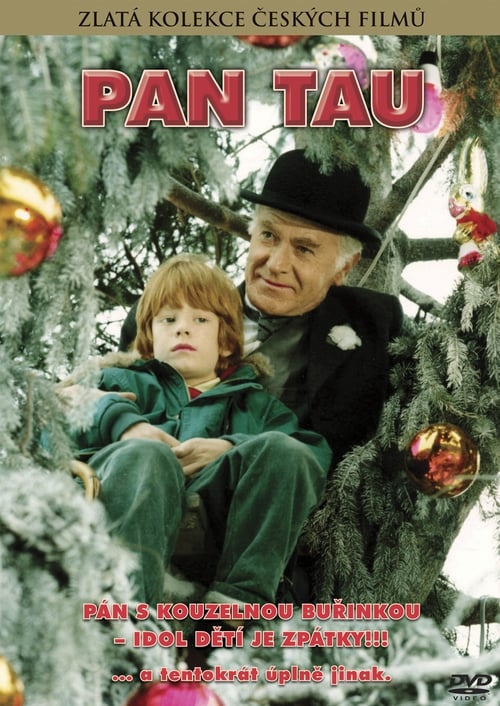
Pan Tau, the friend of all children, now also helps the adults. A movie producer is in trouble and decides to shoot another Pan-Tau movie. But the old Pan-Tau actor Karasek is no longer young enough to walk the almost weightless walk of Pan Tau. Mr. Novak turns up - he resembles Pan Tau like a twin brother. He succeeds every pirouette. And as if by magic, he solves all the problems between people! Who is Mr. Novak? Is he really ...?
Jonáš, an aging comedian, wanders the restored Semafor theater lost in memories of his glory days. He finds unexpected inspiration in Melicharová, a music-loving cleaner who joins him in sketches and songs drawn from their stage show. Interwoven with archival clips from Semafor’s past productions and earlier TV projects, their collaboration sparks a poignant musical reunion.
A Czech animation.
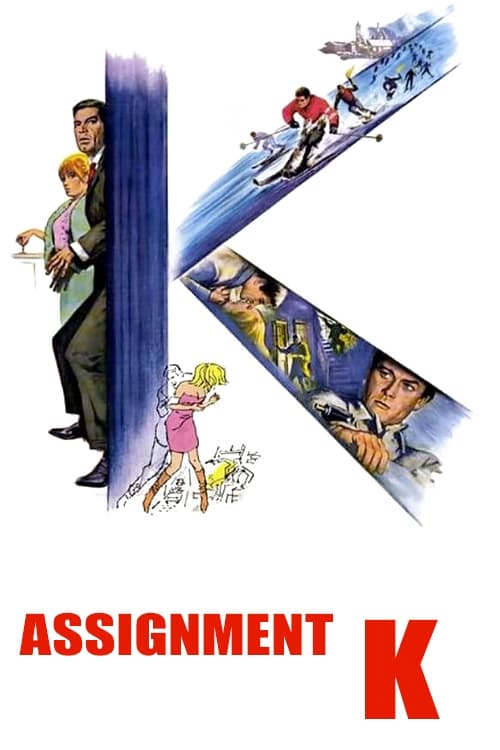
Philip Scott, the boss of a toy company, is secretly also the chief of a British spy organization. Scott's cover is destroyed when enemy agents kidnap his girlfriend to force him to reveal the identities of his fellow spies.
Subscribe for exclusive insights on movies, TV shows, and games! Get top picks, fascinating facts, in-depth analysis, and more delivered straight to your inbox.