Action
Adventure
Animation
Comedy
Crime
Documentary
Drama
Family
Fantasy
History
Horror
Music
Mystery
Romance
Science Fiction
Thriller
War
Western
Explore all movies appearances
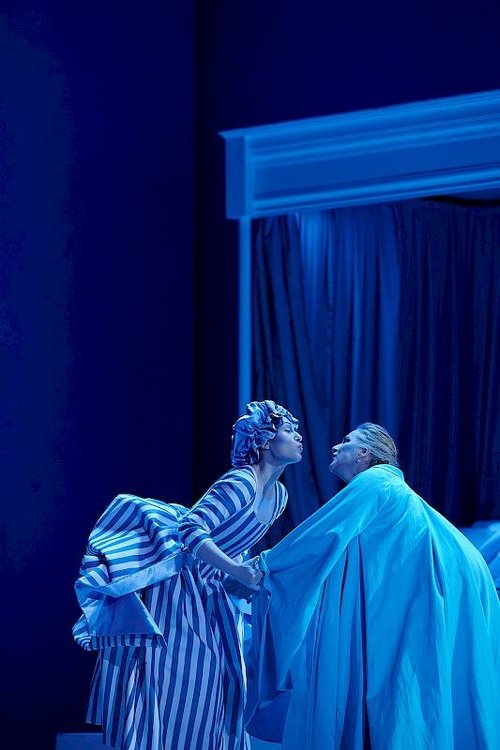
When Strauss and Hofmannsthal wrote «Der Rosenkavalier» – setting it in an imaginary Rococo Vienna and yet closely linked to the decadent fin de siècle – they created a profound social comedy. It is not without melancholy that the Marschallin lets her young lover Octavian go when he falls head over heels with Sophie, who hails from Faninal’s bourgeois household. As voluptuous as Strauss' score is, it contains tender moments of dream and melancholy. Director Lydia Steier stages Strauss’ opera according to an aesthetic concept by Austrian artist Gottfried Helnwein. Diana Damrau sings the Marschallin. Joana Mallwitz, chief conductor at the Konzerthaus Berlin, conducts the Orchester der Oper Zürich.
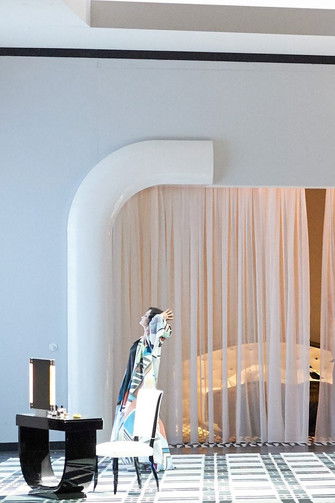
At the heart of Věc Makropulos is a recipe for a life-prolonging elixir invented by the doctor Hieronymus Makropulos for Emperor Rudolf II. It was tested on the doctor's beautiful daughter, who has now been on earth for 337 years and has had countless affairs over the generations. In the end, however, the seemingly young woman has to realize that an endless life on this side of the world only brings loneliness.

No plot available for this movie.
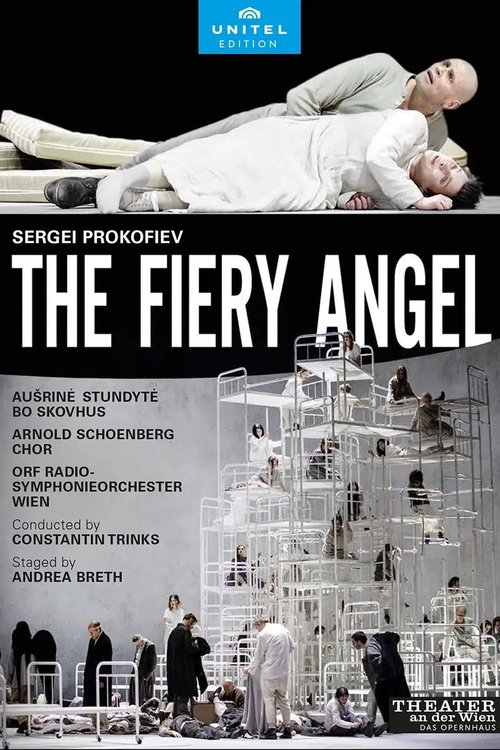
Renata is obsessed with the love for the 'fiery angel'. Ruprecht, in love with Renata, wants to free her from the madness, but all his efforts are in vain. She goes to the monastery, but here too she is being haunted by the image of the fiery angel. The Inquisition accuses Renata of witchcraft and sentences her to death. Prokofiev's Fiery Angel is one of the outstanding operas of the 20th century. With her production, director Andrea Breth moves the action from 16th century Germany to the sterile environment of a modern psychiatric ward.
The traditional Christmas concert enchants every year with classic and popular Christmas music from all over the world. The most touching program highlights of the Vienna Christmas Concert.
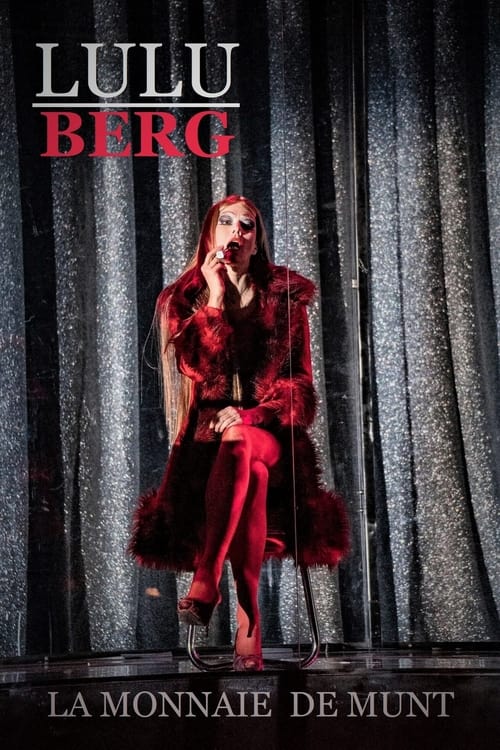
Alban Berg explores the power that Eros and Thanatos, in their rawest forms, have over our lives: Lulu, a femme fatale, will do anything to get ahead in a man’s world, but she ends up being destroyed.
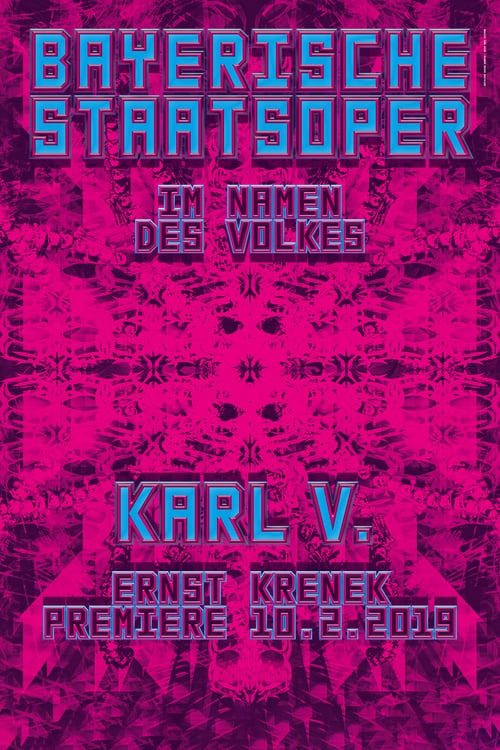
Ernst Krenek's theatrical piece Karl V. consisting completely of twelve-tone series should have premiered at the Vienna State Opera. The political situation in the Vienna of 1933 and the fact that Krenek was despised by the Nazis because of this Jazz opera Jonny spielt auf, prevented the première. It only took place five years later in Prague, however Krenek had already emigrated to the USA. Karl V was the last emperor to hold to the idea of a Christian empire in which the sun never set, although its downfall was always inevitable, for numerous reasons. For the second production of Karl V. in the Nationaltheater, Carlus Padrissa in particular seeks out political power systems that are highly topical, and so very precisely analyses the treatment in the theatrical piece. At the core of the intellectually and linguistically highly qualified libretto, written by the composer himself, Karl V. reflects on his life and makes his confession to a young monk below Titian's La Gloria.
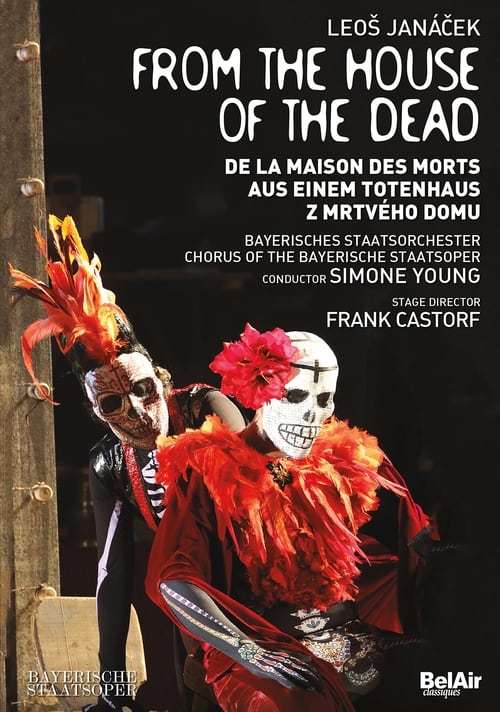
Stage director Frank Castorf “might have been born to direct From the House of the Dead” (Opera Today). His gritty, visually striking adaptation brings bold modern and postmodern touches to Janáček’s masterwork without ever overshadowing the intense forward momentum of the music, conducted to dramatic perfection by Simone Young and sung by an all-star cast in Munich. Janáček adapted Dostoevsky for this powerfully compelling opera set in a Siberian prison camp, full of starkly contrasting moods and motifs, unusual in its episodic structure. The last opera Janáček ever composed, its third act was on his desk when he died in 1928; attempts by his students to “complete” his orchestration have largely fallen away over the decades in favor of the original version. Despite the grimness of the setting and the brutality of several characters, the composer’s compassion shines through in tender moments, movingly illustrating his motto for the work: “in every creature, a spark of God.”
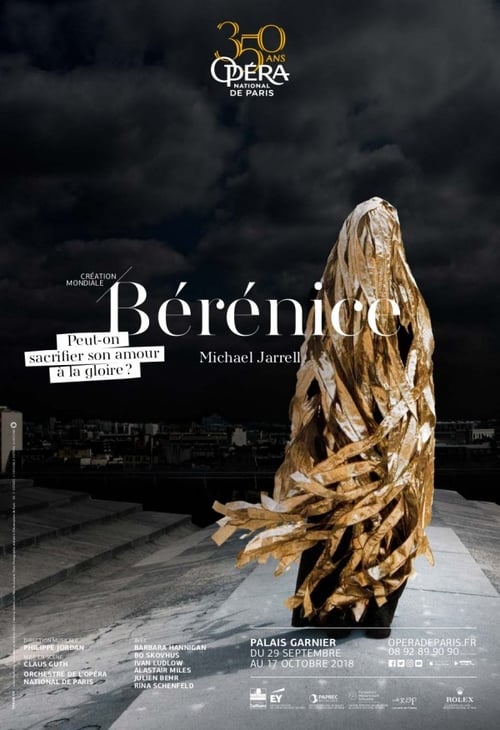
Titus and Berenice love each other; under the watchful eye of Antiochus, the hopeless lover, they try yet refuse to understand each other. Taking up the “majestic sadness” of these alexandrines, among the greatest verses in the French language, Michael Jarrell amplifies the power of words, making them a vehicle for spaces and identities that, from Rome to Jerusalem, are unceasingly questioned.
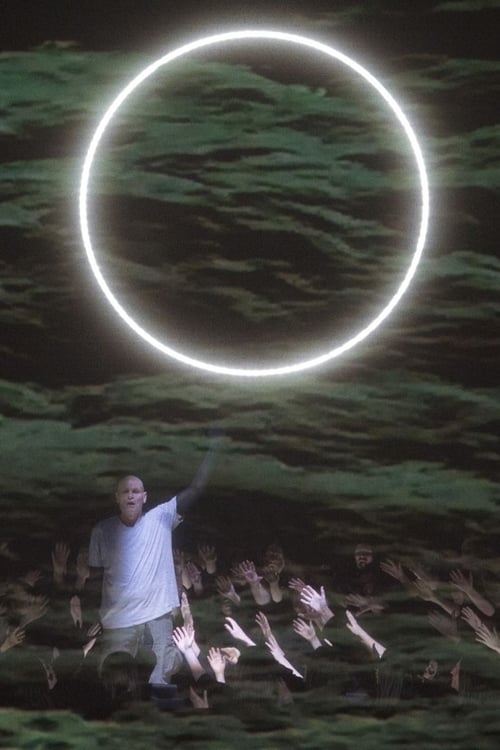
Hans Werner Henze’s “The Raft of the Medusa” is directly inspired by Théodore Géricault’s famous painting. The German composer sets to music the fate of 150 people who have been shipwrecked and abandoned to their destiny. This is a radical work that fluctuates between hope and inevitability, agony and sudden bursts of life. The Raft of the Medusa is an oratorio that was first performed in 1968. Fifty years on, the Italian director Romeo Castellucci underscores its immense modernity, drawing a striking parallel between Hans Werner Henze’s work and the current migrant crisis in the Mediterranean.
Subscribe for exclusive insights on movies, TV shows, and games! Get top picks, fascinating facts, in-depth analysis, and more delivered straight to your inbox.