Action
Adventure
Animation
Comedy
Crime
Documentary
Drama
Family
Fantasy
History
Horror
Music
Mystery
Romance
Science Fiction
Thriller
War
Western
Explore all movies appearances
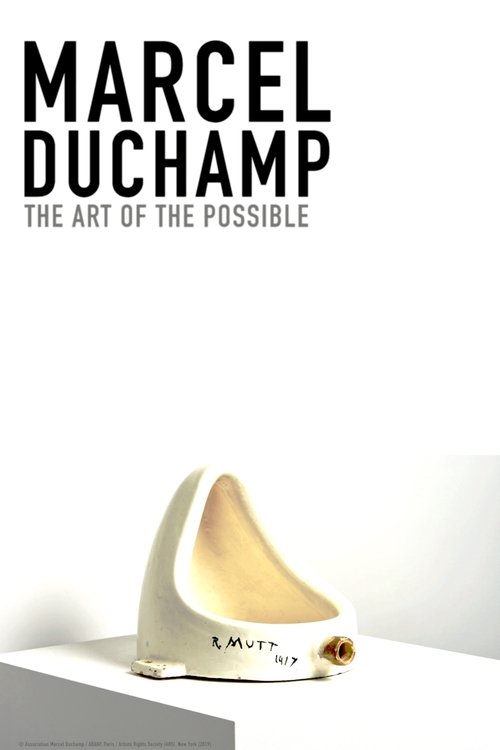
A remarkable walk through the life and work of the French artist Marcel Duchamp (1887-1968), one of the most important creators of the 20th century, revolutionary of arts, aesthetics and pop culture.
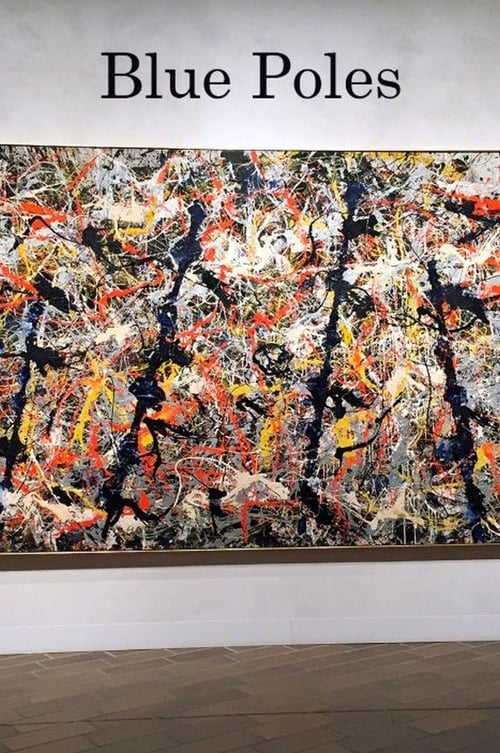
The extraordinary price-tag of Jackson Pollock's Blue Poles - now considered one of the most expensive painting in the world which almost brought down the Australian government.
After encountering the artwork of Jackson Pollock, Yury Lobo overcomes sociopolitical oppression in Cold War-era Russia to chase his dream of painting.

Metropolitan Museum of Art curator Henry Geldzahler reflects on the 1960s pop art scene in New York.
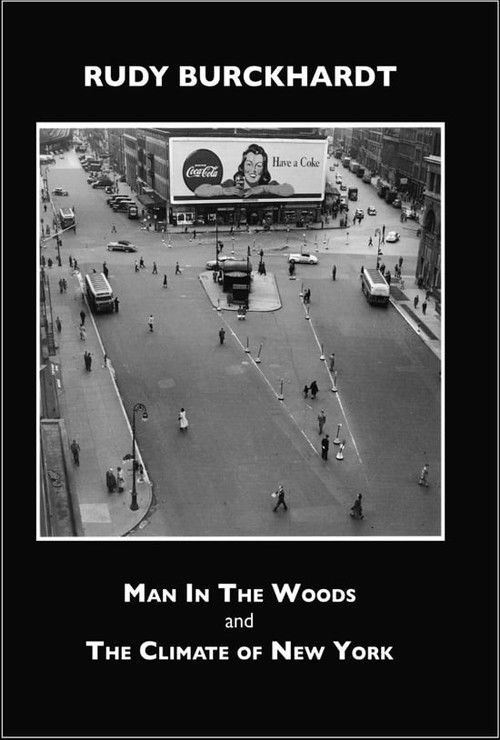
A detailed look at a remarkable artist who died in 1999 at age 85. Aspects of Burckhardt's work in photography, film, and painting are examined in interviews with Rudy Burckhardt, painter Yvonne Jacquette, and curators Robert Storr (former Senior Curator of Painting and Sculpture, Museum of Modern Art, New York) and Brian Wallis (Chief Curator, International Center of Photography, New York). In his studio in New York, Burckhardt discusses his photography and its significance within its historical framework. In the woods near his summer home in Maine, the viewer sees Burckhardt's easel and painting in front of the scene he is depicting. Whether in city or country, Burckhardt appreciated and transformed the chaos he discovered.

The year is 1973. A reforming Labor government swept into power determined to change the direction of the country. In an act of unpredendented daring the Whitlam government paid the highest price ever for an American painting for it's planned National Gallery. The painting was Jackson Pollock's "Blue Poles". 'Drunks did it' screamed the tabloid press. Journalists, politicians and cartoonists had a field day, while everybody, but everybody, across the nation had an opinion. Today painter Jackson Pollock's masterpiece is unquestionably the most famous painting in Australia. It has become a symbol of our independence, signaling the departure from our British roots and entry into a brave new world.

A documentary about the life and tragic death of abstract artist Jackson Pollock. Features are interviews with Lee Krasner (Pollock's wife), and other friends and fellow artists. Also featured are scenes of Pollock as well as an interview he did. This is a great glimpse into the mind of a great artist.
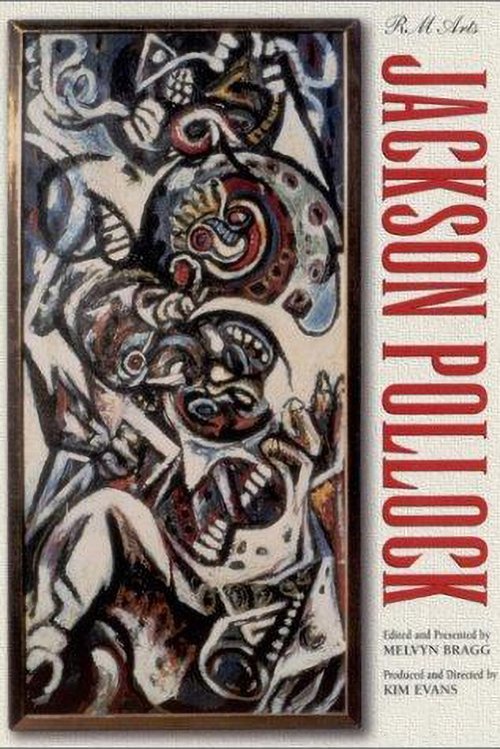
This British documentary examines the life of painter Jackson Pollock--from his childhood in Wyoming to his death in a car crash on Long Island in 1956--in an effort to understand both the development of his work and its place in the history of art.
This film documents the major directions in modern American art during the first seven years of the 1960s. The keynote is that the artist has expanded his realm from the two-dimentional picture frame, climaxed by the artists of the 40s and early 50s, merged color with sculpture, and sought out modern media to express himself. This has produced the characteristic wide spectrum of interest, ideas, and products in contemporary art.
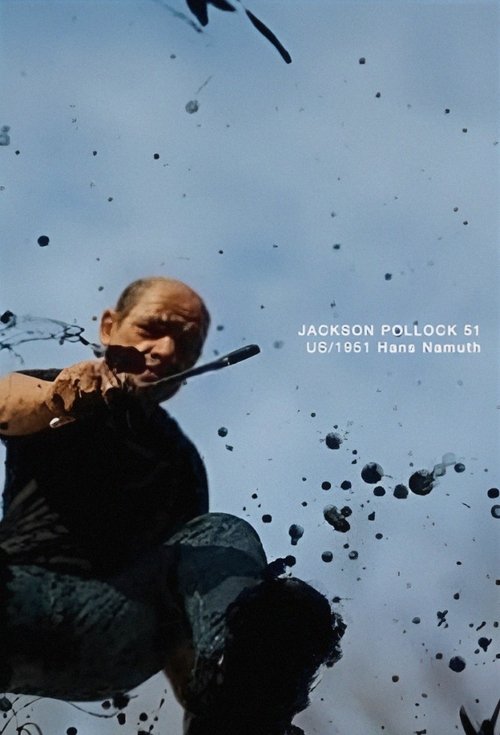
The photography of German photographer Hans Namuth is largely credited for Pollock’s rise to fame, and as the painter gained a higher profile, along with Abstract Expressionism in general, Namuth returned to capture Pollock’s “action painting” on video for the short documentary below. In a cinematically brilliant move, Namuth asked Pollock to create a painting on glass, so that he could film underneath, giving the viewer the experience of actually being the canvas. Lacking a lighting crew, they shot in the cold Long Island expanse of grassland outside of Pollock’s home.
Subscribe for exclusive insights on movies, TV shows, and games! Get top picks, fascinating facts, in-depth analysis, and more delivered straight to your inbox.