
Action
Adventure
Animation
Comedy
Crime
Documentary
Drama
Family
Fantasy
History
Horror
Music
Mystery
Romance
Science Fiction
Thriller
War
Western
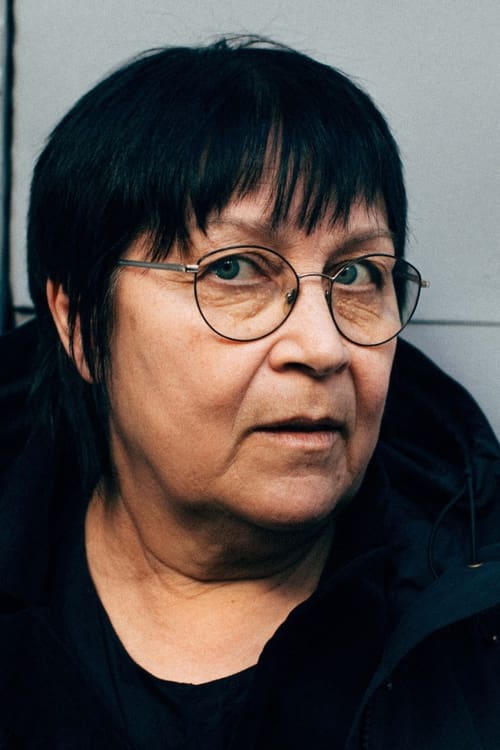
Marika Vaarik (since 1994 Marika Vaarik-Soo; born on October 13, 1962 in Kose) is an Estonian actress. In 1991 she graduated Tallinn Pedagogical Institute in theatrical directing speciality (Estonian: näitejuhtimise eriala). 1987-1994 she worked at VAT Theatre, being also one of its founders. 1994-2005 she worked at Rakvere Theatre. Since 2009 she worked at NO99 Theatre. Besides theatrical roles ...
Explore all movies appearances
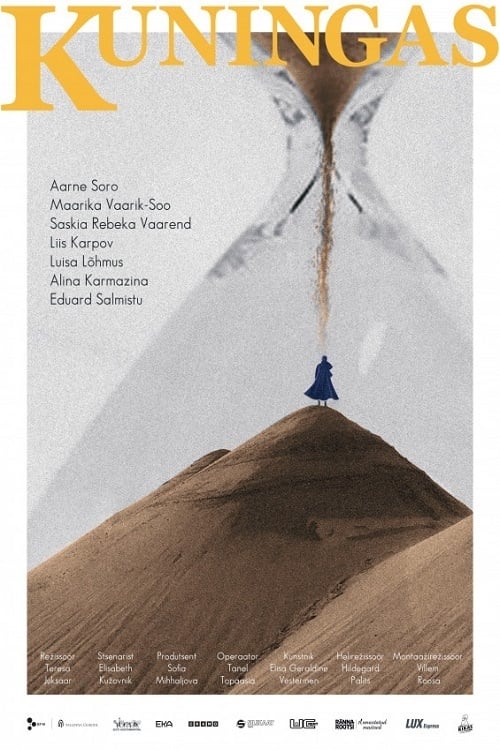
Olev Virkus is a completely ordinary man of no considerable wealth or achievements. Sometimes, however, he has to drop everything he's doing and go away for a while. Only then can he keep on living in peace. The film is based on the short story The King by Mehis Heinsaar.
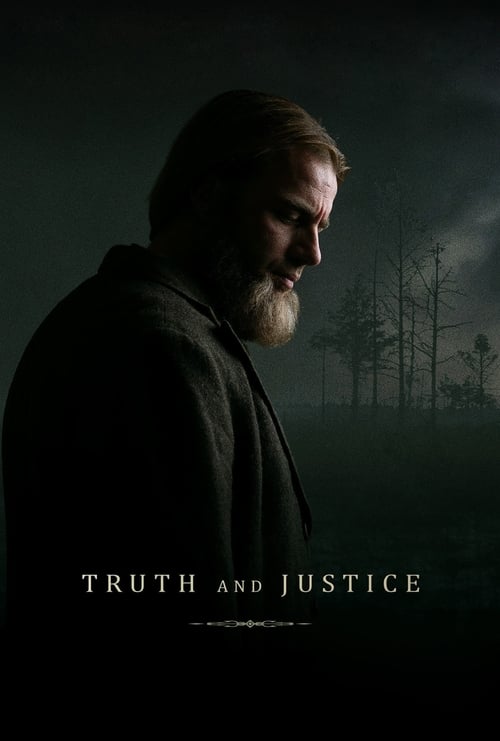
Estonia, 1872. The uncompromising new owner of Robber's Rise must battle with hard work, his spiteful neighbor and with his own family and beliefs to transform the poor land into a flourishing farm of his dreams.
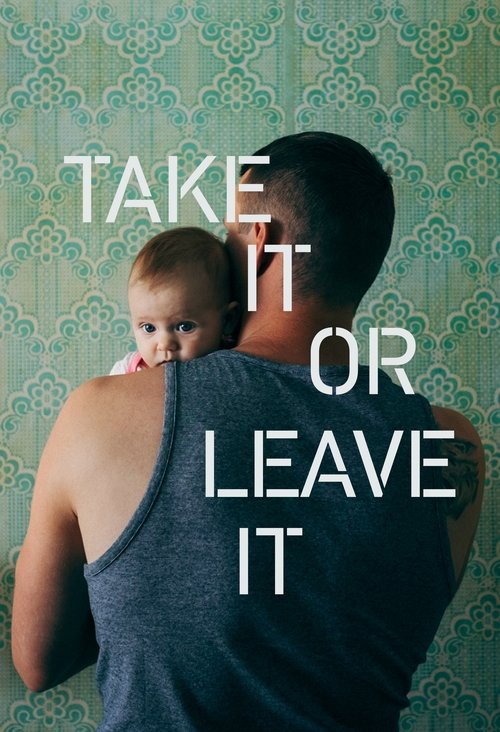
One sleepy Saturday morning a 30-year-old construction worker Erik gets some earth shattering news: his ex-girlfriend Moonika who he hasn't even seen for the past six months is about to go into labor. She however is not ready for motherhood and if Erik doesn't want the kid either, the little girl will be put up for adoption.
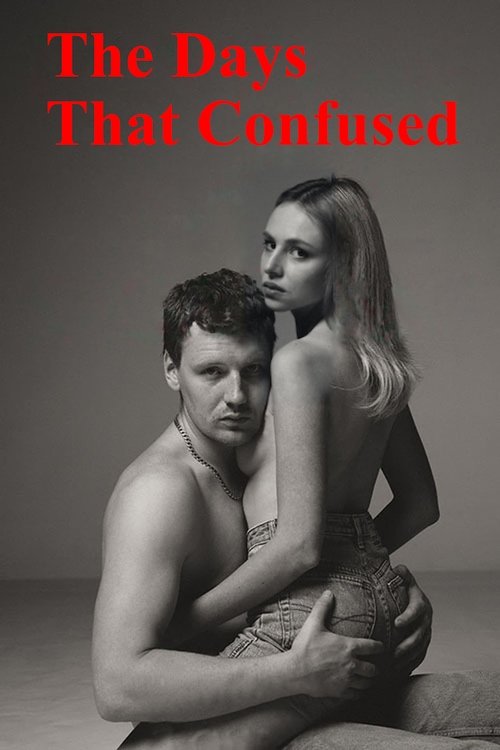
A young man tries to make sense of the world in the summer heat of late nineties Estonia.

Film is based on "Unified Estonia" which was a fictitious political movement created by NO99 Theatre and a large portion of the public treated as a real political force. Its convention, held for more than 7200 people, was one of the largest theatre events in modern European theatre history.
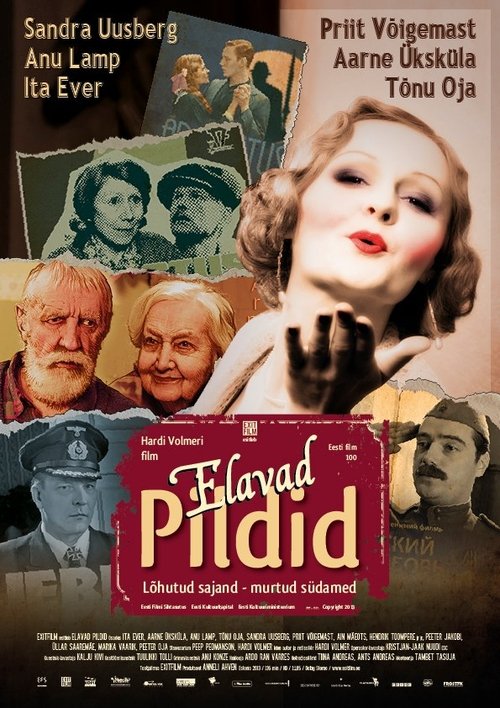
The main character, Helmi, is born into the house of Baron von Strandmann in Old-Town Tallinn, in 1908. The only thing that she knows for sure about her past is that her mother was an Estonian servant girl. Everything else is a discovery during a life that runs the course of a century - a life that has quite a lot of surprises in store for Helmi. In this house she finds happiness and suffering, passion and disappointment. She grows up alongside young Erik and waits for her big love to blossom. But one floor down lives projectionist Julius - a man who is far from indifferent when it comes to Helmi. All of the biggest historical events of the century leave their mark on the house. Its hardwood floors have born soldiers' gruff boots and gentleman's shiny oxfords. Its walls have held the fates of people from far and near, foreigners and locals. Helmi's home becomes a German salon, a revolution museum, and a working class commune. And as freedom comes, real estate crooks start sniffing ...
The Rise and Fall of Estonia is a production by directors Tiit Ojasoo and Ene-Liis Semper. Together they have created large-scale shows already before. "Ruja", a rock-opera, and "Unified Estonia", a convention of a fictitious political movement for 7200 viewers, were not only completely sold out, but also theatre events, which won the major theatre prizes in Estonia. "The Rise and Fall of Estonia" is not a rock-opera. It's not a punk statement. It's a symphony. And it's about Estonia. Together with actors from NO99 they've created over the years four productions, which more or less deal with Estonia and its state of mind.
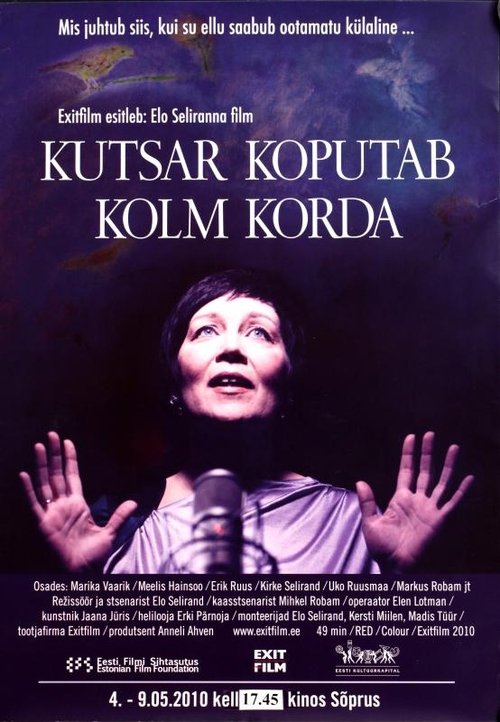
The film tells the story of a single mother having trouble coping with everyday life. However, she finds in magic and fantasy a way to escape her reality until the enigmatic appearance of a man in her life. He will change her forever, to the point of making the decisions she has always feared. She will suddenly and conclusively have to answer her own question: what do I want? She will be given a chance to correct the mistakes in her life; will she cherish this opportunity or let it slip away?
NO75 Unified Estonia was a fictious political movement created by Theatre NO99 that a large portion of the public treated as a real political force. It lasted 44 days, during which various political technologies were introduced. The project ended with Unified Estonia movement assembly, with more than 7500 people attending. It was one of the largest theatre events in contemporary Europe.
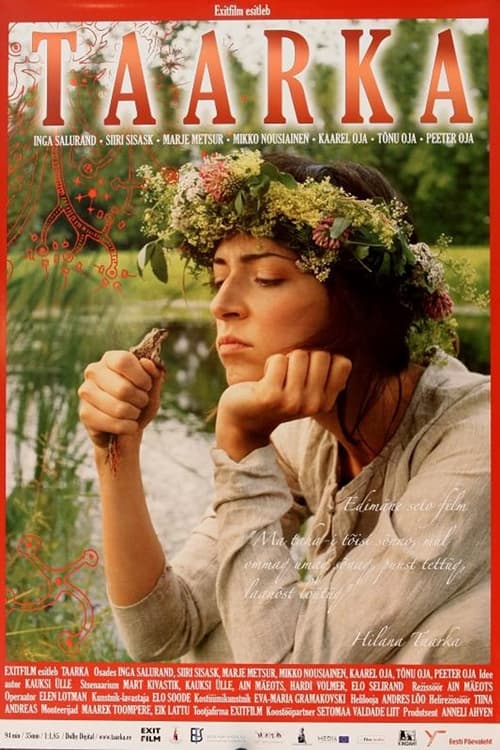
The first film in the Seto language in the world speaks about the brightest heroine of a small people, the folk singer Hilana Taarka, a woman who lived her whole life as an outcast in a small chimney-less hut; as an unmarried mother of children in poverty, begging her bread, doing odd jobs and singing. She always sang the truth, sometimes bitter, sometimes funny, sometimes cruel. She was feared, despised and coveted. Taarka sang throughout her remarkable life, throughout her fate, from a small Seto village to international fame. And she sang well. Really well. Taarka became the Mother of the Song, a legend. But as a woman, as a member of the community, the Seto people never really accepted her. Taarka - a despised woman and a worshiped singer.
Subscribe for exclusive insights on movies, TV shows, and games! Get top picks, fascinating facts, in-depth analysis, and more delivered straight to your inbox.