Action
Adventure
Animation
Comedy
Crime
Documentary
Drama
Family
Fantasy
History
Horror
Music
Mystery
Romance
Science Fiction
Thriller
War
Western
Explore all movies appearances

One of the iconic Latvian movies. Based on Astrid Lindgren's book 'Emil of Lönneberga'. A story of a little boy, Emil, who, according to others is incredibly naughty, but actually Emil is a lot more kind hearted than all the rest. And everything he does is to help someone. But somehow it all the time turns out like a prank. His family won't agree with any pranks on themselves, so there goes Emil in his father's tool shed, where he's locked up for every prank. Includes the phrase - 'the main idea is to keep your feet warm', which has been adapted in Latvian culture, so it's already a saying.

No plot available for this movie.
The life journey of Justīne, a country girl, through the years of World War II to the position of chairwoman of a collective farm.

Poor countryside girl Elza has been unsuccessfully looking for a job in Riga before she gets help from an acquantance. After that, fortune seems to turn and rich aged factory owner Ķikulis wants to marry Elza. Reluctant at first, she finally agrees but the marriage doesn't go smoothly.
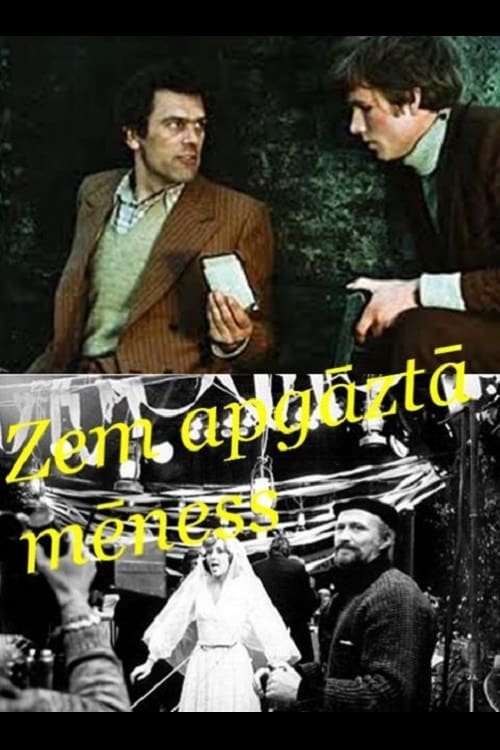
No plot available for this movie.

The wounded Russian soldier Fyodor, risking his life, was sheltered on a Latvian farm by his grandfather and granddaughter. Ilga fell in love with him, but the war separated them. Fedor went to the partisans, and Ilga is killed by the Nazis. Only many years later Fedor came again. Here he meets a young woman very similar to Ilga.
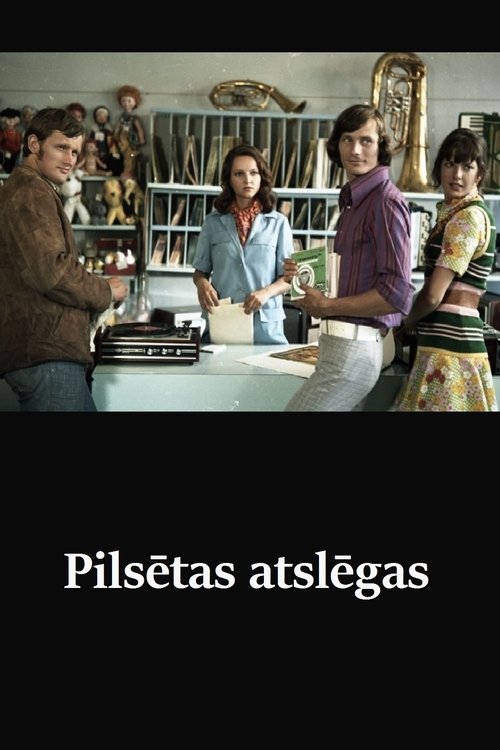
Austra arrives to a small Latvian town to work for a state institution and faces disinterest and carelessness from her colleagues. Her other troubles include a difficult relationship with her daughter and a sudden falling in love.
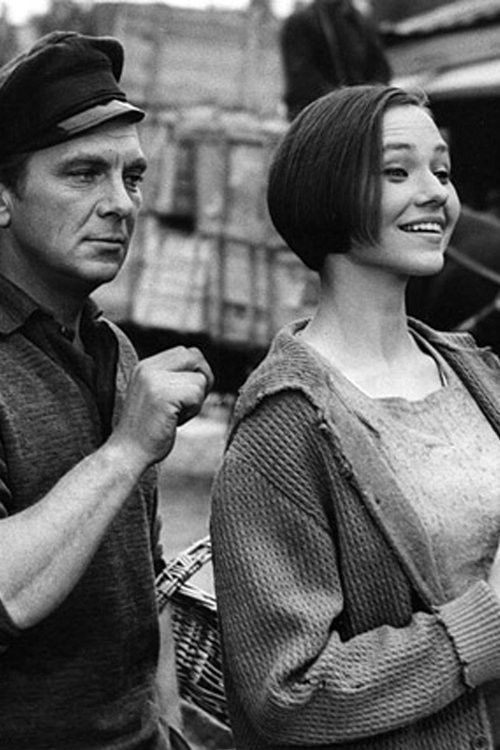
The son of Martins Viksna, the collective farm chairman, Klavs comes home from the military service and starts working in his native kolkhoz but does not understand his colleagues, so he goes to town.
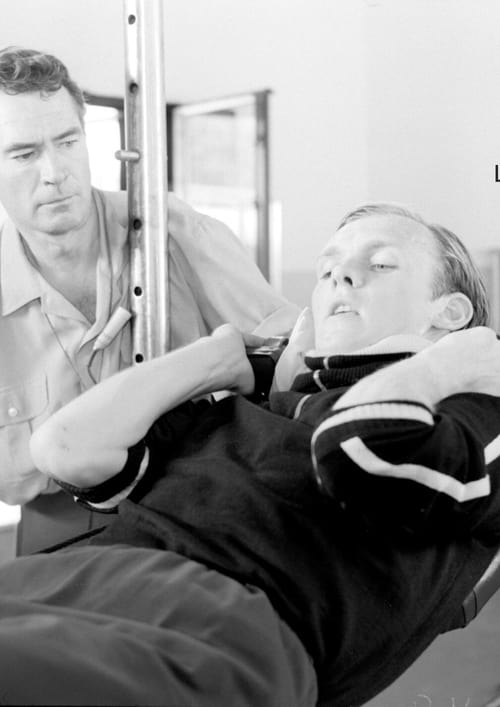
The hard work plays an important role in the personal growth of a runner.

Cezars Kalnins installs telephones by day and composes pop songs by night. His band has a hard time receiving the permit from Soviet censorship authorities for a public debut. A member of the Culture Committee superficially listens to Cēzars' songs and deems the lyrics "unsuitable and frivolous” and "unfit for the Soviet youth”, and is later powerless to stop the grindstone of public debate, which she has herself initiated.
Subscribe for exclusive insights on movies, TV shows, and games! Get top picks, fascinating facts, in-depth analysis, and more delivered straight to your inbox.