
Action
Adventure
Animation
Comedy
Crime
Documentary
Drama
Family
Fantasy
History
Horror
Music
Mystery
Romance
Science Fiction
Thriller
War
Western
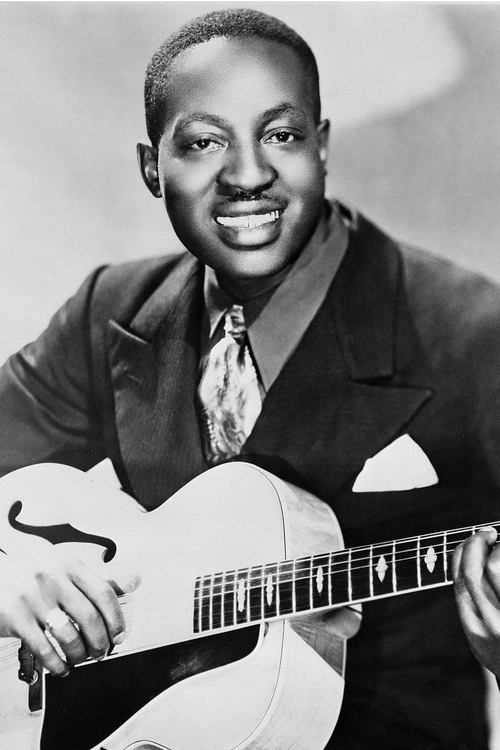
American blues singer, songwriter and guitarist. His career began in the 1920s, when he played country blues to mostly African-American audiences. Through the 1930s and 1940s he successfully navigated a transition in style to a more urban blues sound popular with working-class African-American audiences. In the 1950s a return to his traditional folk-blues roots made him one of the leading figures ...
Explore all movies appearances
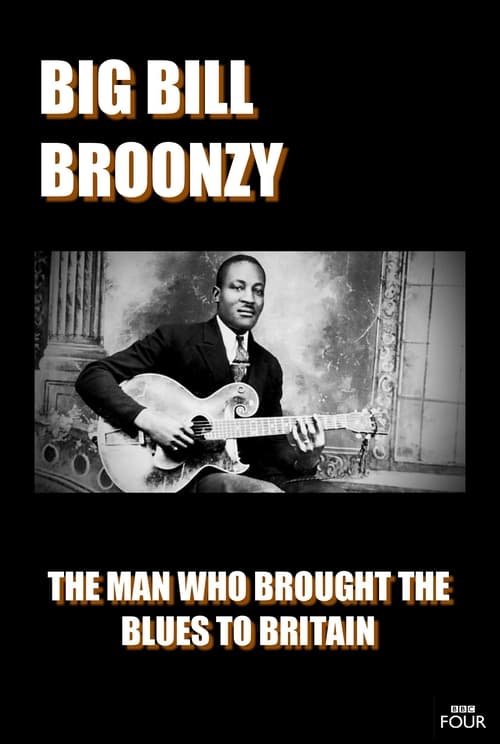
Big Bill Broonzy would inspire a generation of musicians, yet he was not the man they believed him to be. This first, very intimate, biography of the pioneering bluesman uncovers the mystery of who Broonzy really was and follows his remarkable and colorful journey from the racist Deep South to the clubs of Chicago and all across the world. With contributions from Pete Seeger, Ray Davies, Keith Richards, Martin Carthy, John Renbourn, and members of the Broonzy family. Broonzy's own words are read by Clarke Peters.

This music documentary celebrates the long and influential career of Long John Baldry, a pioneering British musician whose blues revivalism inspired The Beatles, The Rolling Stones and a young Eric Clapton. Featuring footage of early performances and commentaries from a number of musicians for whom he was a great influence.
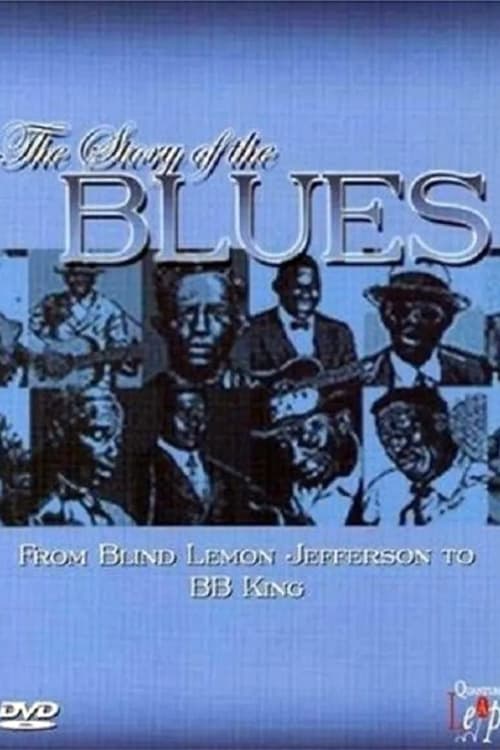
The story of The Blues traces the four main traditions of blues music: Form Blues, Blues, Urban Blues and Blues Electric. The blues has evolved and diversified, and filtered into a surprising variety of styles in contemporary music. In the blues the history of music was released. A look at the roots, origins and the subsequent influence of style the film explores the blues significant contribution to the development of jazz, rock and country and western music. Big Bill Broonzy, Robert Johnson, Lonnie Johnson, Blind Lemon Jefferson, Alexander Texas, and many more artists are featured through the film.
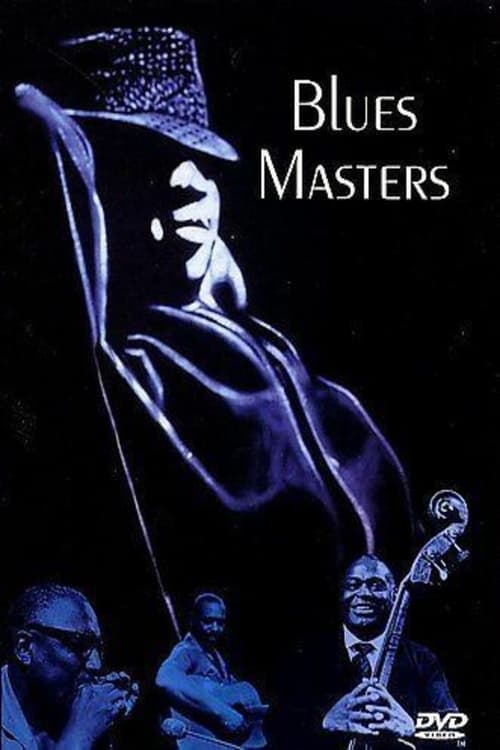
In 1966, CBC Television invited some of North America's greatest blues performers to gather in a studio in Toronto, recording together and individually in sessions that lasted three days. The result was originally televised as part of the CBC "Festival" series, and now the session video tapes have been found, restored and re-edited. The great Muddy Waters and his band perform "You Can't Lose What You Never Had" and "Got My Mojo Workin'," the latter with James Cotton on harmonica. Willie Dixon goes solo on "Bassology" and (helped by a little '90s technology) performs "Crazy for My Baby" with host Colin James. Plus rare appearances by Sonny Terry and Brownie McGhee, Mable Hillery singing "How Long This Train Been Gone," and delta blues piano player Sunnyland Slim, introducing a whole new generation to this inspiring, soulful music.
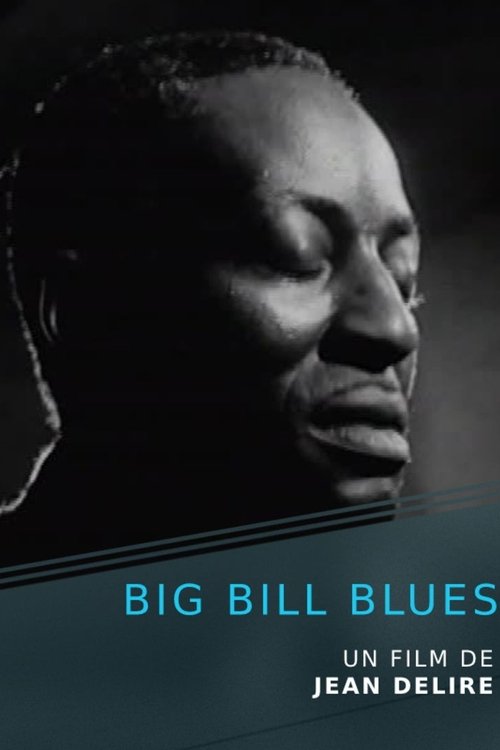
This is the only film about Big Bill Broonzy, you can see him playing the blues in a Brussels cellar.
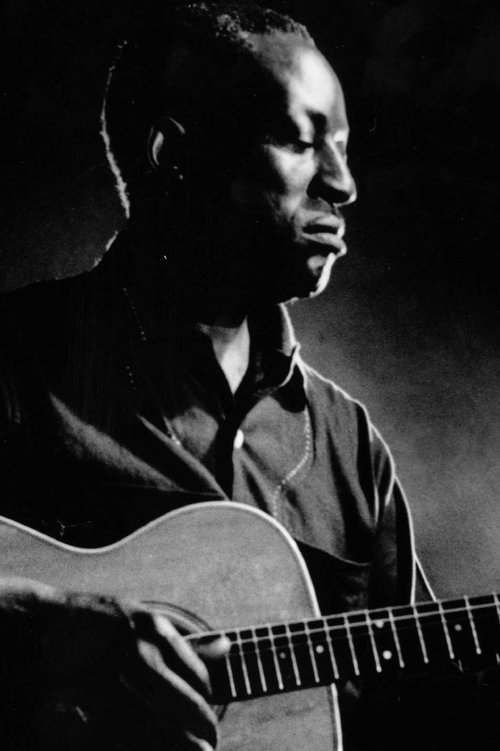
A 1956 Belgian film, Low Light and Blue Smoke, showcases the music of American blues guitarist Big Bill Broonzy, capturing his performance at the Chapel of Les Brigittines in Brussels during his 1956 European tour.
Subscribe for exclusive insights on movies, TV shows, and games! Get top picks, fascinating facts, in-depth analysis, and more delivered straight to your inbox.